







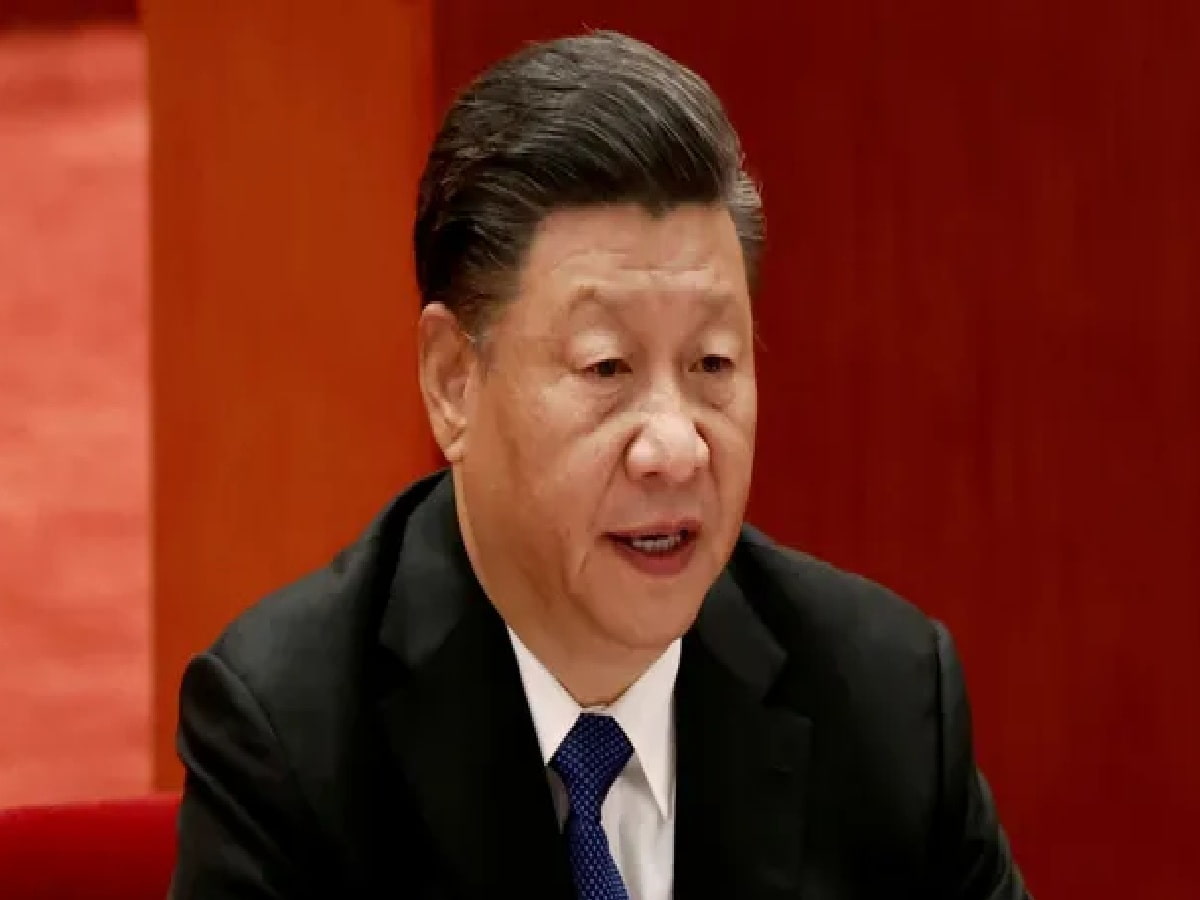
Xi Jinping Intensifies Anti-Corruption Purge to Cement Grip for Historic Fourth Term
Chinese President Xi Jinping is aggressively expanding his signature anti-corruption drive across the party apparatus and the military, clearing ideological dissenters and tightening political discipline as he prepares to secure an unprecedented fourth term in power. Framing the campaign as the Communist Party of China’s (CPC) perpetual "self-revolution," Xi has warned that internal factions and officials exhibiting "disloyalty and indifference" must be rooted out without compromise. By comparing compromised cadres to diseased branches that require urgent pruning, the sweeping campaign serves a dual strategic purpose: enforcing absolute ideological compliance while consolidating Xi's central authority ahead of the pivotal 2027 National Party Congress, where China's quinquennial leadership roadmap and organizational appointments will be formalized.
High-Profile Takedowns and the 'Sick Trees' Doctrine: Huang Qifan to Top Generals Under Scrutiny
The escalating crackdown was thrown into sharp relief this month with the formal opening of an investigation into Huang Qifan, the influential former mayor of the southwestern mega-municipality of Chongqing. Once regarded as politically resilient due to his decades of economic stewardship and survival through multiple factional shakeups, Huang's targeting signals that past veteran standing no longer provides immunity under the current anti-graft net. The purge has simultaneously penetrated deep into the People’s Liberation Army (PLA), where senior military officer Zhang Youxia was placed under investigation over allegations of corruption and disloyalty. Xi’s rhetoric against cadres who feign fealty while quietly undermining central directives has translated into sharp statistical spikes in disciplinary enforcement: prosecutions of provincial and ministerial-level figures surged from 49 in 2023 to 69 in 2025, while convictions of county-level officials jumped from 24,000 to over 35,000 across the same timeline.
The Road to the 2027 Party Congress: A Shrinking Central Committee and Uncontested Succession
As the CPC's Central Committee prepares to implement even more stringent supervision mechanisms, the physical composition of China’s highest policy body reflects the relentless pace of the disciplinary machinery. Of the 376 full and alternate members selected at the 20th Party Congress in 2022, only 315 attended plenary gatherings last year following a wave of disciplinary actions, with roster numbers projected to decline further in upcoming meetings. According to Neil Thomas, a senior fellow at the Asia Society Policy Institute, the complete absence of any designated successor combined with Xi’s sweeping organizational dominance makes his transition into a fourth term virtually unassailable. With the 2027 Congress requiring Xi to cultivate and elevate a compliant new tier of regional and ministerial administrators, the continuous disciplinary purge functions as an indispensable institutional filter, ensuring that unswerving personal allegiance to the party core remains the sole criterion for executive survival in modern Beijing.




