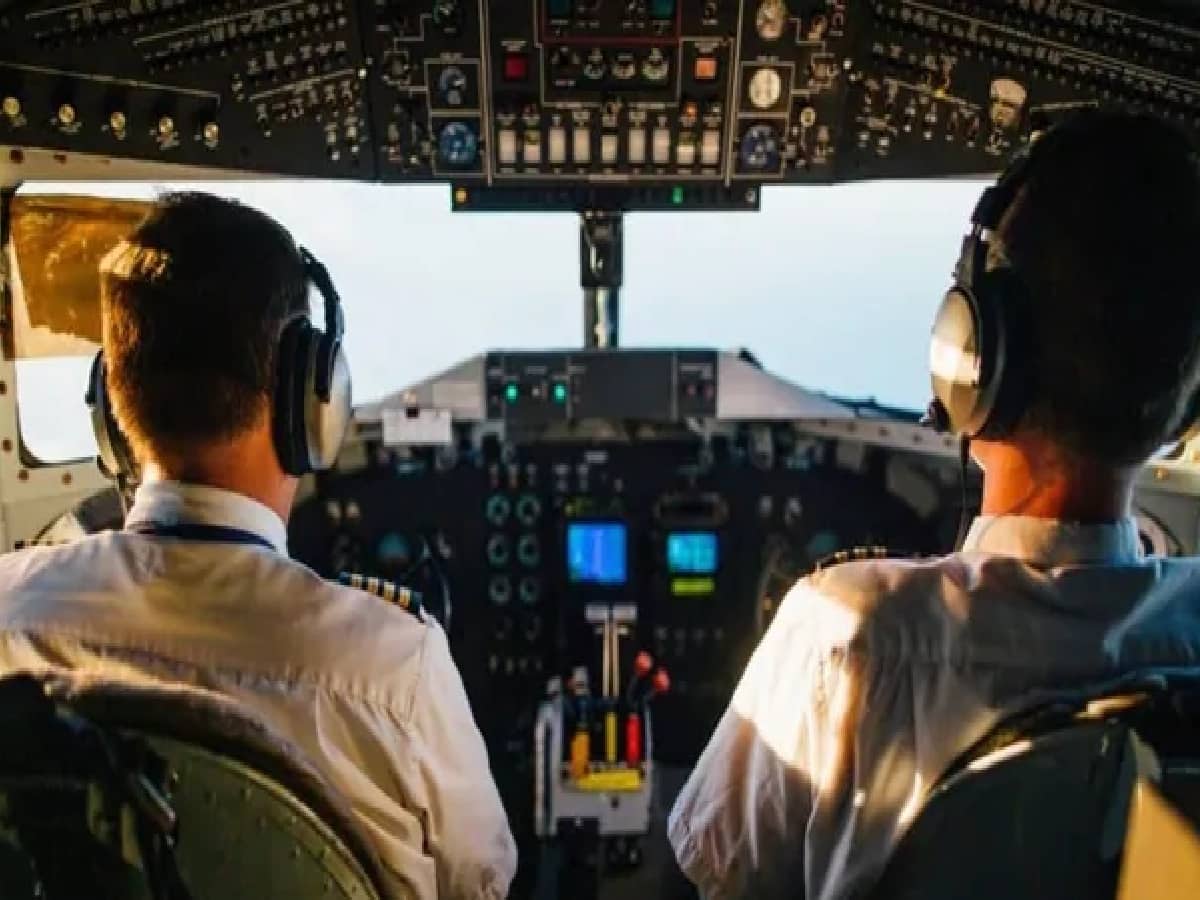
When Pilots Turn Hijackers: Chilling Aviation History of Flight Deck Attacks and Sabotage
The knife assault aboard FlyDubai Flight FZ1073 en route to Tel Aviv—where an Omani first officer attempted to seize flight controls before being overpowered by Captain Smit Machhar and passengers—has reignited urgent global questions over cockpit vulnerabilities. While modern civil aviation protocols heavily fortify flight decks against external hijackers, history documents chilling instances where the threat originated from the pilots themselves. Over the past four decades, rogue flight crews, suicidal airmen, and psychologically compromised cockpit personnel have turned passenger airliners into weapons, resulting in catastrophic loss of life and dramatic mid-air struggles.
Recent Flight Deck Crises: From Alaska Airlines to China Eastern MU5735
Deliberate cockpit interference remains an active operational risk in modern aviation. On October 22, 2023, an off-duty Alaska Airlines pilot riding inside the cockpit jumpseat of Horizon Air Flight 2059 attempted to shut down both engines mid-flight between Washington and San Francisco by engaging emergency fire suppression handles; the flight crew wrestled him away and executed an emergency landing in Portland, saving 80 people. Just a year earlier, on March 21, 2022, China Eastern Airlines Flight MU5735 nose-dived nearly vertically into a mountainside in Guangxi, killing all 132 occupants. While Chinese regulators continue formal assessments, flight recorder telemetry analyzed by US investigators indicated intentional control inputs pushing the Boeing 737-800 into its fatal dive, accompanied by acoustic evidence of a struggle in the cockpit.
Tragic Precedents: Germanwings, LAM Mozambique, and EgyptAir 990
Aviation safety rules underwent major overhauls after the catastrophic Germanwings Flight 9525 crash on March 24, 2015, where co-pilot Andreas Lubitz intentionally locked the captain outside the cockpit and steered the Airbus A320 into the French Alps, killing all 150 passengers and crew. A nearly identical scenario unfolded on November 29, 2013, when the captain of LAM Mozambique Airlines Flight 470 locked out his first officer and intentionally crashed the Embraer 190 into Namibia’s Bwabwata National Park, claiming 33 lives. Further back, on October 31, 1999, EgyptAir Flight 990 plummeted into the Atlantic Ocean shortly after departing Los Angeles for Cairo, killing all 217 on board; US National Transportation Safety Board (NTSB) investigators concluded the relief first officer disconnected the autopilot and forced the Boeing 767 into a steep dive, though Egyptian authorities cited mechanical failure.
High-Altitude Struggles, Hijackings, and Desperate Landings
Not all insider cockpit crises have ended in fatal crashes, with several averting catastrophe through sheer physical intervention. On February 17, 2014, the co-pilot of Ethiopian Airlines Flight 702 commandeered the Boeing 767 while flying from Addis Ababa to Milan after the pilot took a restroom break, diverting the aircraft to Geneva to seek political asylum without injuring the 193 people on board. In one of the most violent encounters in aviation annals on April 7, 1994, an off-duty flight engineer armed with a speargun and hammers attacked the three-man crew of FedEx Flight 705 over Tennessee in an attempt to crash the cargo DC-10; despite skull fractures and severe injuries, the crew fought off the assailant and landed safely. Other historic cases include the December 19, 1997 SilkAir Flight 185 crash in Indonesia (104 dead) linked to captain suicide theories, the August 21, 1994 Royal Air Maroc Flight 630 crash in Morocco (44 dead) where the pilot disengaged autopilot, and the February 9, 1982 Japan Airlines Flight 350 crash into Tokyo Bay (24 dead) caused by a mentally ill captain engaging thrust reversers mid-air. These dark chapters continue to drive intense demands for mandatory psychological monitoring and failsafe cockpit defense measures across international aviation.