







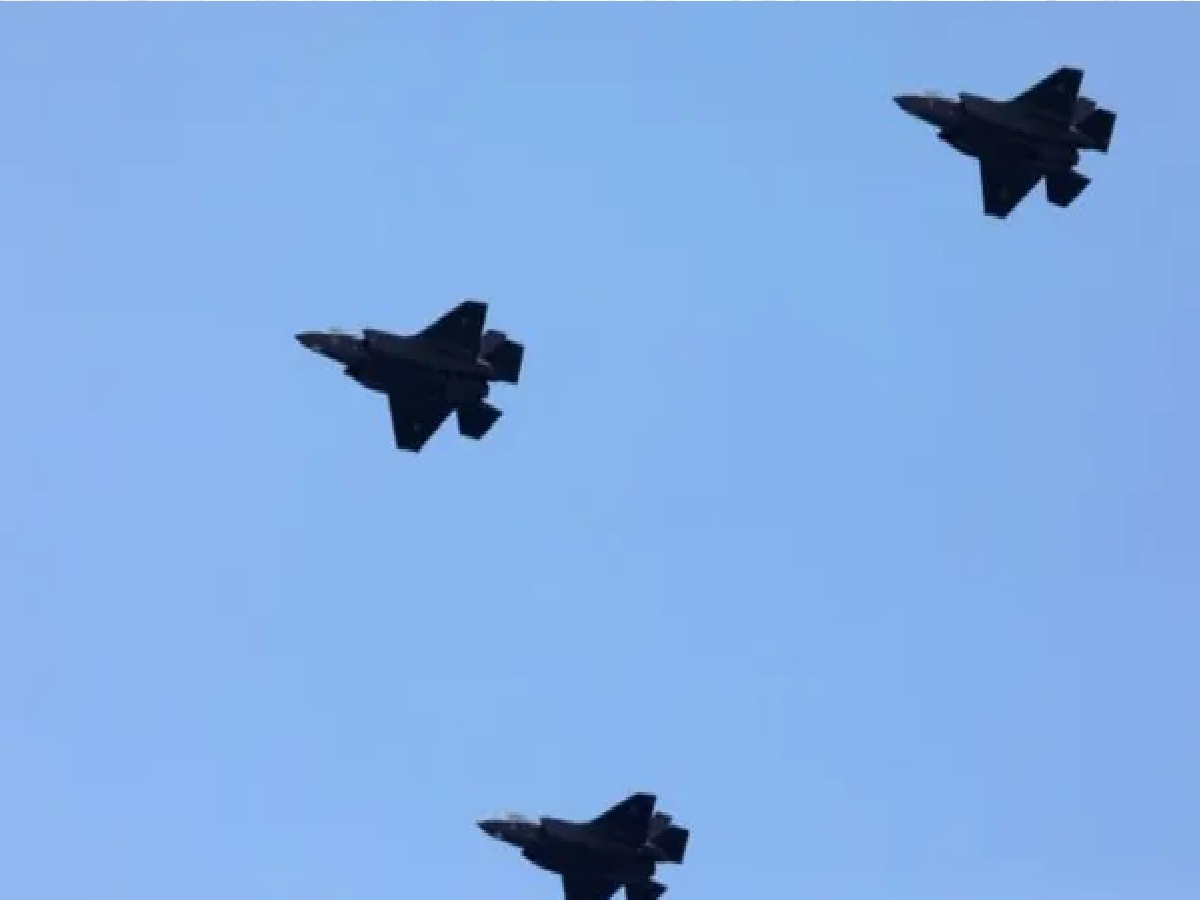
UPS Routing Blunder Sends Classified F-35 Stealth Parts to Hong Kong
A critical supply chain failure inside the United States logistics pipeline has triggered intense national security alarms after confidential parts belonging to the premier F-35 Lightning II fighter jet were mistakenly routed to Hong Kong. The high-risk misdirection occurred despite direct regulatory warnings instructed under the International Traffic in Arms Regulations (ITAR), which strictly prohibit top-tier defense components from traversing adversarial or sensitive foreign territories. Federal defense watchdogs and legislative committees are now demanding urgent accounting over how proprietary stealth hardware slipped past international cargo safeguards.
Ignored Warnings and Broken Logistics Chains
The high-stakes shipment contained sensitive F-35 cockpit canopies and weapons bay doors treated with classified radar-absorbing coatings designed to evade hostile radar detection. Freight forwarding firm DSV A/S, operating on behalf of defense contractor Lockheed Martin Corp., issued explicit communications instructing United Parcel Service handlers to bypass high-risk air transit hubs. However, the operational warning was missed or ignored, likely due to disparate tracking software used by individual shipping coordinators. In an ill-advised effort to accelerate transit times following an initial delay, handlers diverted the cargo—originally routed from South Korea and Taiwan to San Francisco—straight through Hong Kong.
Stealth Vulnerability and Reverse-Engineering Alarms
The compromise of radar-shielding stealth skin presents a significant counter-intelligence hazard for Washington and its allied air wings. The F-35 Lightning II represents the most expensive and technologically sophisticated weapons program in Pentagon history, long serving as a primary target for state-backed foreign espionage networks. Diana Maurer, a lead defense oversight director at the Government Accountability Office, characterized the delivery as a grave lapse, warning that adversaries frequently leverage recovered composite coatings and structural canopies to dissect radar-evading properties and engineer tactical radar counters.
Pentagon and Capitol Hill Launch Inquiries
The logistics misstep has provoked intense scrutiny across Capitol Hill, the Department of State, and the Pentagon, with lawmakers pressing for a complete structural overhaul of international defense transport protocols. In response, Lockheed Martin confirmed that defense manufacturers are actively coordinating with specialized freight partners to institute stringent monitoring architectures, close digital blind spots, and eliminate commercial routing errors that endanger frontline stealth supremacy.