







Ukraine Rejects Elon Musk's Claims of Service Violations in Offensive Strikes
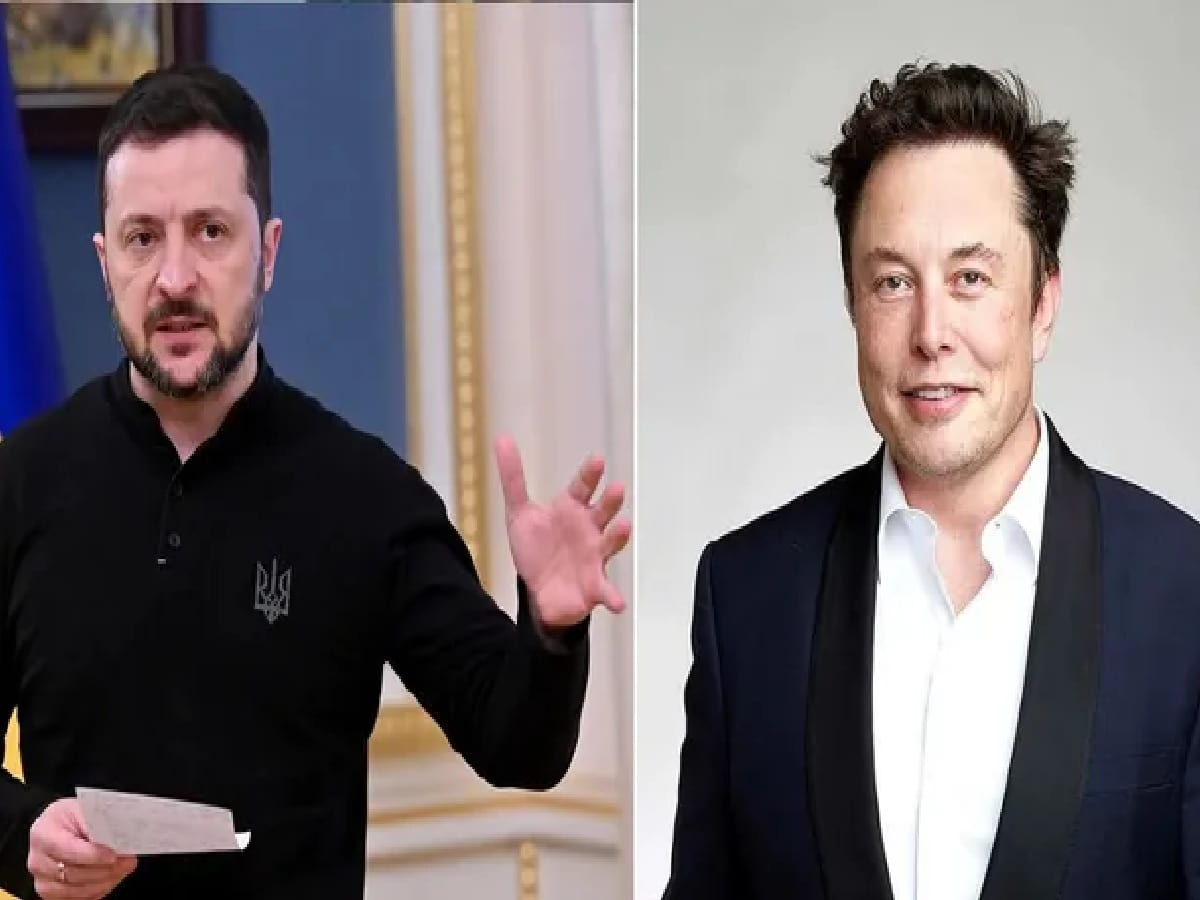
A high-stakes dispute has intensified between SpaceX chief executive Elon Musk and the Ukrainian government over the military deployment of the Starlink satellite internet constellation across regional operational theaters. The diplomatic friction escalated sharply after Musk publicly accused the Ukrainian armed forces of violating Starlink’s commercial terms of service by repurposing the civilian satellite communications network to execute offensive drone bombardments, including strikes allegedly aimed at civilian areas. Rejecting the allegations in their entirety, Serhiy Beskrestnov, senior defense technology adviser to Ukrainian President Volodymyr Zelensky, maintained that Kyiv remains bound by stringent technological protocols, asserting that existing structural limitations built into commercial terminals render the deployment of civilian Starlink units for long-distance offensive drone warfare technically unfeasible.
Technical Firewalls and Border Geofencing: Ukraine Outlines System Limits
Dismantling SpaceX’s claims of platform misuse, Beskrestnov highlighted the rigorous operational parameters and enduring hardware constraints under which commercial satellite terminals function across Ukrainian territory. The presidential tech adviser explained that unmanned aerial vehicles tethered to civilian Starlink networks are restricted by automated velocity throttling limits calibrated strictly between 70 and 90 kilometers per hour, severely curtailing any practical utility for modern high-speed tactical assaults. Furthermore, Beskrestnov emphasized that Starlink connectivity remains systematically geofenced and deactivated within the sovereign territory of the Russian Federation, arguing that these multi-layered technical firewalls make it impossible for Ukrainian forces to orchestrate medium- or long-range cross-border kinetic missions through the civilian satellite link.
'Never Intended for Lethal Strikes': Musk Confirms SpaceX Terminal Restrictions
The clash follows public disclosures from Elon Musk, who confirmed over the weekend that SpaceX had systematically restricted and capped Starlink service capabilities within Ukrainian combat sectors to prevent militarized weaponization. Defending the regulatory intervention, Musk reiterated that Starlink was conceived and deployed globally as an open commercial infrastructure aimed at providing civilian connectivity, humanitarian assistance, hospital communications, and essential educational services rather than enabling lethal battlefield operations or facilitating offensive drone incursions. As Kyiv insists on its compliance with international technological usage standards and Musk reinforces corporate guardrails, the confrontation underscores the evolving legal, ethical, and geopolitical complexities of relying on private commercial space constellations in modern hybrid warfare.




