







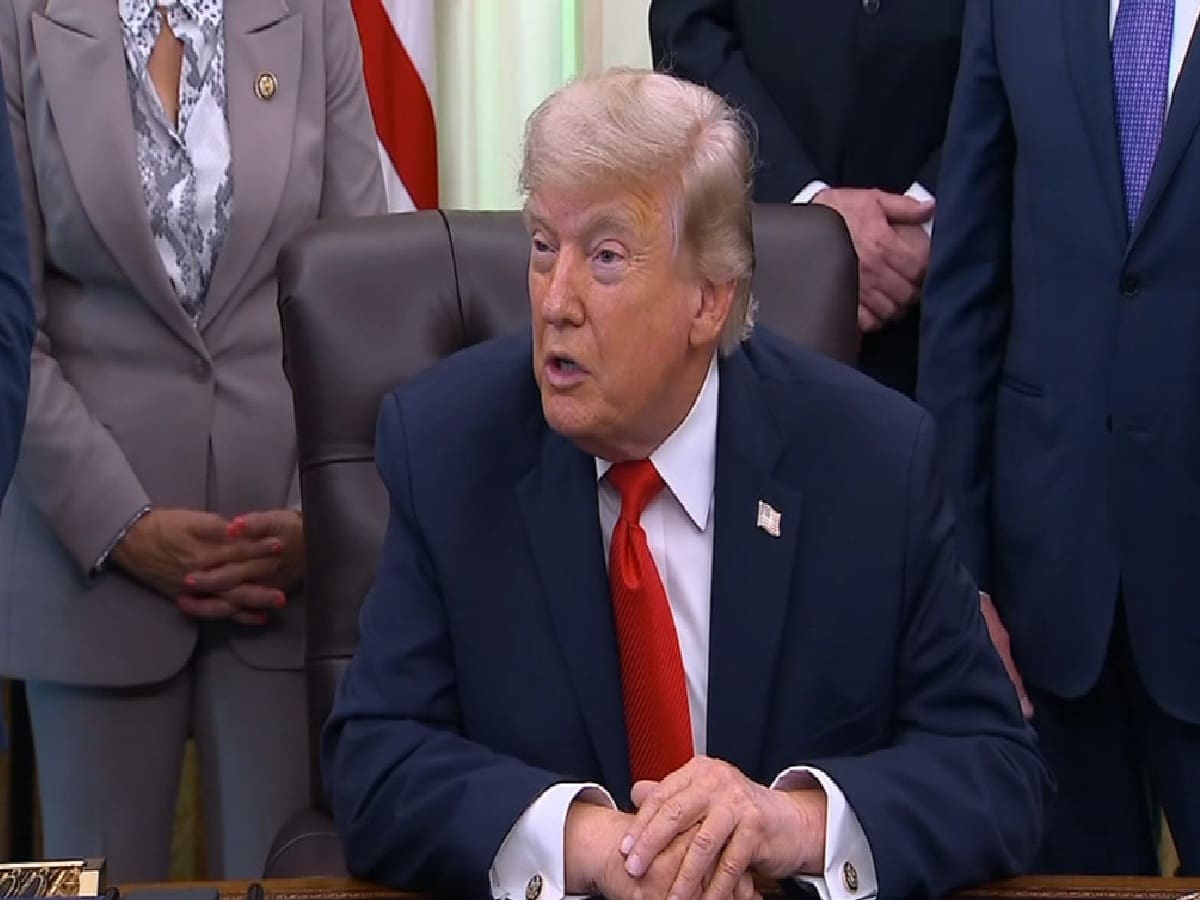
Trump Threatens New Year Strikes on Iran, Vows to Sink Blockade Runners
With the grinding conflict between the United States and Iran stretching into its tenth month since erupting in February 2026—and diplomatic mediation efforts led by Qatar, Oman, and Pakistan yet to yield a breakthrough—US President Donald Trump has issued a stark New Year's Day ultimatum to Tehran, warning that Washington is prepared to resume large-scale military strikes if no durable agreement is reached by the start of 2027. Reported across global geopolitical and energy desks on Tuesday, November 24, 2026, following Trump's Sunday interview with Fox News, the US President accused Iranian officials of deliberately stalling indirect negotiations and growing more aggressive since the US midterm elections. Dismissing Tehran's diplomats as "professional tap dancers" who "talk all the time" without offering anything of substance, Trump reiterated that any deal must permanently block Iran from acquiring a nuclear weapon—and issued a chilling naval threat aimed directly at Tehran's ongoing sea blockade: "I hope the Iranian tankers don't break the blockade. If they do, they will be at the bottom of the sea, just like the rest of the Iranian navy." Across the Persian Gulf, however, Tehran showed zero sign of backing down. Iranian Foreign Minister Abbas Araghchi countered that reopening the vital Strait of Hormuz—where commercial oil tankers and regional Gulf infrastructure have continued to come under fire—could be accomplished swiftly if Washington abandons unlawful pressure, acknowledges past mistakes, and fulfills its prior commitments. Simultaneously, Islamic Revolutionary Guard Corps (IRGC) Commander-in-Chief Major General Ahmad Vahidi and IRGC Aerospace Force Commander Brigadier General Majid Mousavi toured an underground "missile city" to unveil a new dual liquid-fuel missile launcher, underscoring US intelligence assessments reported by The Wall Street Journal that Iran still retains 1,500 to 2,500 ballistic missiles—a standoff with direct consequences for global crude prices, Gulf expatriates, and energy consumers across New Delhi, Lucknow, Kanpur, Mumbai, and worldwide.
US–Iran Standoff Ahead of New Year 2027: Ultimatums, Hormuz & Missile Arsenal
To bring together President Donald Trump's New Year strike threat and naval blockade warning, Foreign Minister Abbas Araghchi's conditions for reopening the Strait of Hormuz, and Iran's underground missile showcase under IRGC chiefs Ahmad Vahidi and Majid Mousavi, the tables below summarize the escalating confrontation:
Washington vs. Tehran: Competing Demands & Military Posturing (Nov 2026)
| Dimension / Actor | Verified Statements & Actions (Nov 21–24, 2026) | Strategic & Regional Impact |
| Donald Trump's New Year Ultimatum (Fox News Interview) | Warned he is inclined to resume military strikes against Iran after New Year's Day if indirect talks fail to produce a permanent nuclear agreement; dismissed Iranian negotiators as "professional tap dancers". | Sets a hard year-end diplomatic deadline while two US aircraft carrier strike groups operate in the Arabian Sea alongside aerial refueling assets in Israel. |
| Naval Blockade & Tanker Threat | Responding to reports that Tehran is preparing a tanker convoy to test the US naval blockade of Iranian ports, Trump declared: "I hope they do, they'll all be at the bottom of the sea like the rest of the navy." | Heightens the risk of direct naval clashes in the Persian Gulf as Iranian hardliners push to break the export freeze. |
| Abbas Araghchi's Hormuz Conditions (Iranian Foreign Minister) | Stated that reopening the Strait of Hormuz is straightforward if the US accepts reasonable terms consistent with international law, admits past mistakes, lifts the blockade rationally, and honors previous commitments. | Keeps the world's most critical oil chokepoint leveraged directly against US economic and naval pressure. |
| Regional Mediation Track | Qatar, Oman, and Pakistan continue active backchannel mediation between Washington and Tehran (including recent Qatari ministerial talks in Tehran). | Remains the primary diplomatic off-ramp before the New Year deadline expires. |
Iran's Underground 'Missile City' Showcase & Estimated Ballistic Arsenal
| Military Development | Verified Details | Deterrence Message |
| IRGC 'Missile City' Inspection (Reported Nov 21–24, 2026) | IRGC Commander-in-Chief Major General Ahmad Vahidi and IRGC Aerospace Force Chief Brigadier General Majid Mousavi inspected an underground missile facility and unveiled a new dual launcher capable of firing two liquid-fuel Rezvan-family missiles simultaneously (with conventional and cluster warhead configurations). | Vahidi warned that "what happens to the enemy is just the beginning," signaling survivable underground launch capacity despite months of US and Israeli strikes. |
| US Intelligence Missile Estimate (The Wall Street Journal, Nov 15, 2026) | US intelligence agencies assess that Iran still possesses between 1,500 and 2,500 ballistic missiles after nearly ten months of war with the United States and Israel. | Explains why Gulf states and US commanders remain on high alert against retaliatory salvos targeting regional bases and shipping lanes. |
Why the Strait of Hormuz & Blockade Showdown Matters for India's Economy
Nearly one-fifth of global petroleum consumption and a major share of India's crude oil and liquefied natural gas (LNG) imports transit the Strait of Hormuz and surrounding Gulf waters. With tanker attacks continuing near Hormuz and President Trump threatening to sink Iranian blockade-runners while Tehran links Hormuz reopening to lifting the blockade, any New Year escalation directly threatens fuel inflation, shipping insurance rates, and the safety of millions of Indian expatriates across the Persian Gulf.
What to Watch Between Now and January 1, 2027
Over the next five weeks, global capitals from Washington, Tehran, Doha, Muscat, and Islamabad to New Delhi, Lucknow, and Kanpur will watch whether Qatari, Omani, and Pakistani mediators can bridge the gap between Trump's nuclear demands and Araghchi's seven conditions for reopening Hormuz—or whether New Year's Day 2027 ushers in a dangerous new phase of direct military confrontation




