







Dev Deepawali 2026 Across India: Names & Traditions From Kashi to Goa
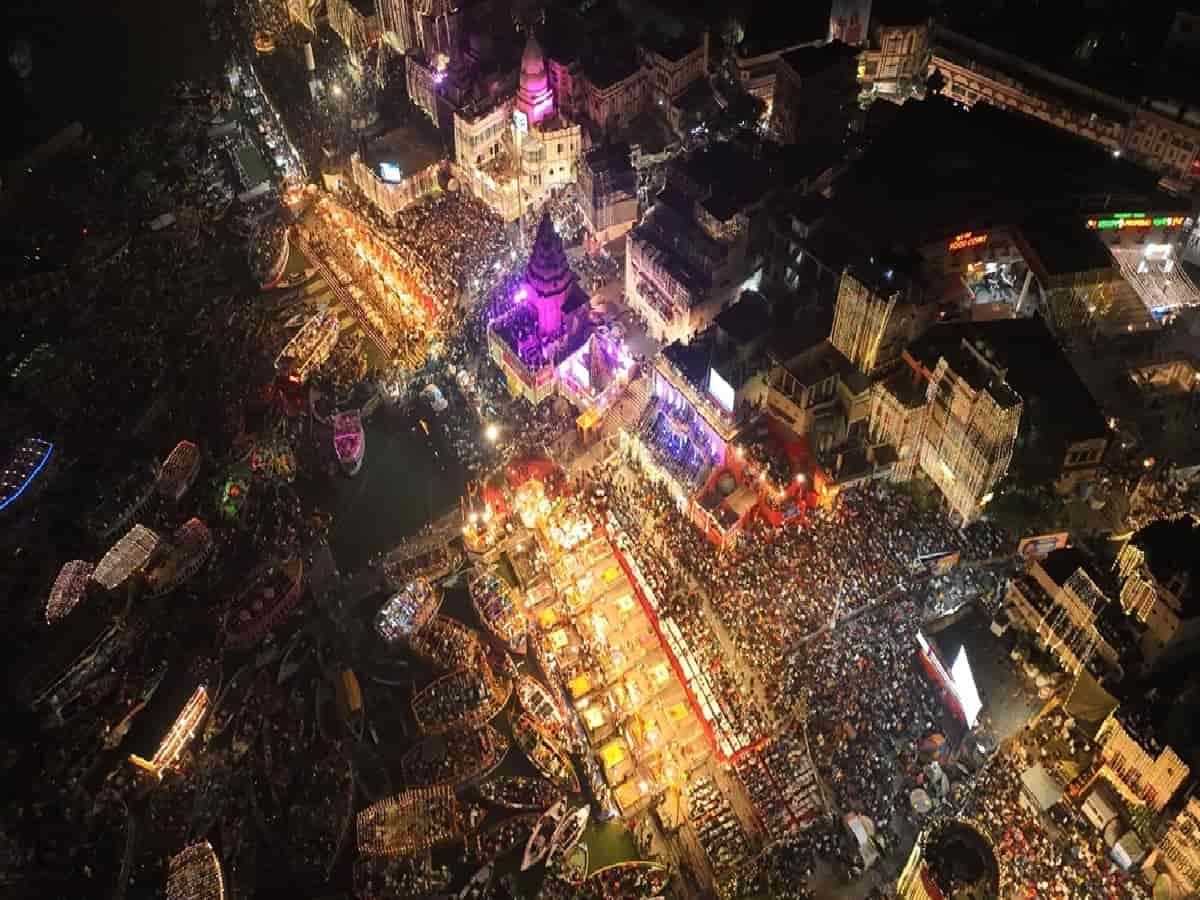
Across India today, Tuesday, November 24, 2026, the sacred full moon of Kartik Purnima brings together a remarkable mosaic of faith, light, and regional heritage—known in Kashi (Varanasi) and across Uttar Pradesh as Dev Deepawali, and celebrated under distinct names and customs from western coastal temples to eastern riverbanks and northern gurdwaras. Highlighted across cultural and devotional features on Tuesday, November 24, 2026, the Hindu observance of Dev Deepawali traces back to sacred lore in which Lord Shiva defeated the tyrannical demon Tripurasura, prompting the gods to descend from heaven to the banks of the Ganga in Kashi and illuminate the riverfront with millions of earthen lamps (diyas). While that shared story anchors the evening glow in Varanasi, communities in different states mark the same auspicious full-moon day with their own cherished traditions: Tripurari Purnima in Maharashtra and Goa, Kartik Purnima and Ganga Snan in Bihar and Jharkhand, and Guru Nanak Jayanti (Gurpurab) across Punjab and North India. From Lucknow, Varanasi, Prayagraj, and Kanpur to Mumbai, Pune, Panaji, Patna, Ranchi, Amritsar, and New Delhi, November 24 stands out as a day where one calendar date reflects many vibrant strands of Indian spiritual life.
Dev Deepawali & Kartik Purnima 2026: How Different States Celebrate Today
To bring together the shared mythological and seasonal foundation of Kartik Purnima on Tuesday, November 24, 2026 and how Uttar Pradesh, Maharashtra, Goa, Bihar, Jharkhand, Punjab, and North India observe the day, the tables below summarize the regional traditions:
State-by-State Names & Traditions on Kartik Purnima (November 24, 2026)
| Region / State(s) | Local Name(s) of the Observance | Signature Rituals & Cultural Highlights |
| Uttar Pradesh (Kashi / Varanasi & Across UP) | Dev Deepawali | Millions of earthen lamps lit along the Ganga ghats of Kashi, grand Maha Aarti, riverfront illumination, and cultural performances. |
| Maharashtra & Goa | Tripurari Purnima | Linked directly to Lord Shiva slaying Tripurasura; devotees light earthen oil lamps atop tall stone lamp pillars (deepmala / deepstambha) outside temples at dusk. |
| Bihar & Jharkhand | Kartik Purnima / Ganga Snan | Sacred morning river baths (Ganga snan), evening lamp offerings (deepdaan), charity, and household recitation of Lord Satyanarayan's katha. |
| Punjab & North India | Guru Nanak Jayanti (Gurpurab) | Celebrated by the Sikh community and devotees nationwide as the birth anniversary of Sri Guru Nanak Dev Ji, featuring akhand path prayers, shabad kirtan, nagar kirtan, and community langar in gurdwaras. |
Common Threads Uniting These Celebrations Across India
| Shared Theme | How It Appears Across Regions | Cultural Takeaway |
| Light Over Darkness | From Kashi's ghats and Maharashtra's deepmalas to household thresholds and gurdwaras, lamps and candles symbolize clarity, hope, and renewal. | Reflects a shared impulse to greet the Kartik full moon with warmth and gratitude. |
| Water, Charity & Community Service | Sacred river dips in UP, Bihar, and Jharkhand alongside selfless langar service on Gurpurab emphasize humility and sharing. | Connects personal devotion with care for neighbors and pilgrims. |
Why One Full-Moon Date Holds Multiple Living Traditions
India's festival calendar frequently layers deep regional histories onto the same lunar milestone. In Lucknow, Varanasi, Prayagraj, and Kanpur, evening crowds gravitate toward illuminated riverbanks and temples for Dev Deepawali; in Mumbai, Pune, and Panaji, temple courtyards glow from towering stone deepstambhas for Tripurari Purnima; in Patna and Ranchi, families gather for Ganga Snan and Satyanarayan katha; and in Amritsar, Chandigarh, New Delhi, and Lucknow, gurdwaras welcome all visitors for Guru Nanak Jayanti prayers and langar. Together, these observances show how distinct traditions flourish side by side on a single November day.
Practical Tips for Travellers & Devotees Celebrating Today
Whether you are visiting ghats in Varanasi, temples in Maharashtra or Goa, riverbanks in Bihar or Jharkhand, or gurdwaras across Punjab, Uttar Pradesh, and New Delhi on Tuesday, November 24, 2026, allow extra travel time around busy religious precincts, follow local police and civic crowd advisories, and practice fire and water safety near crowded steps and lamp displays.




