







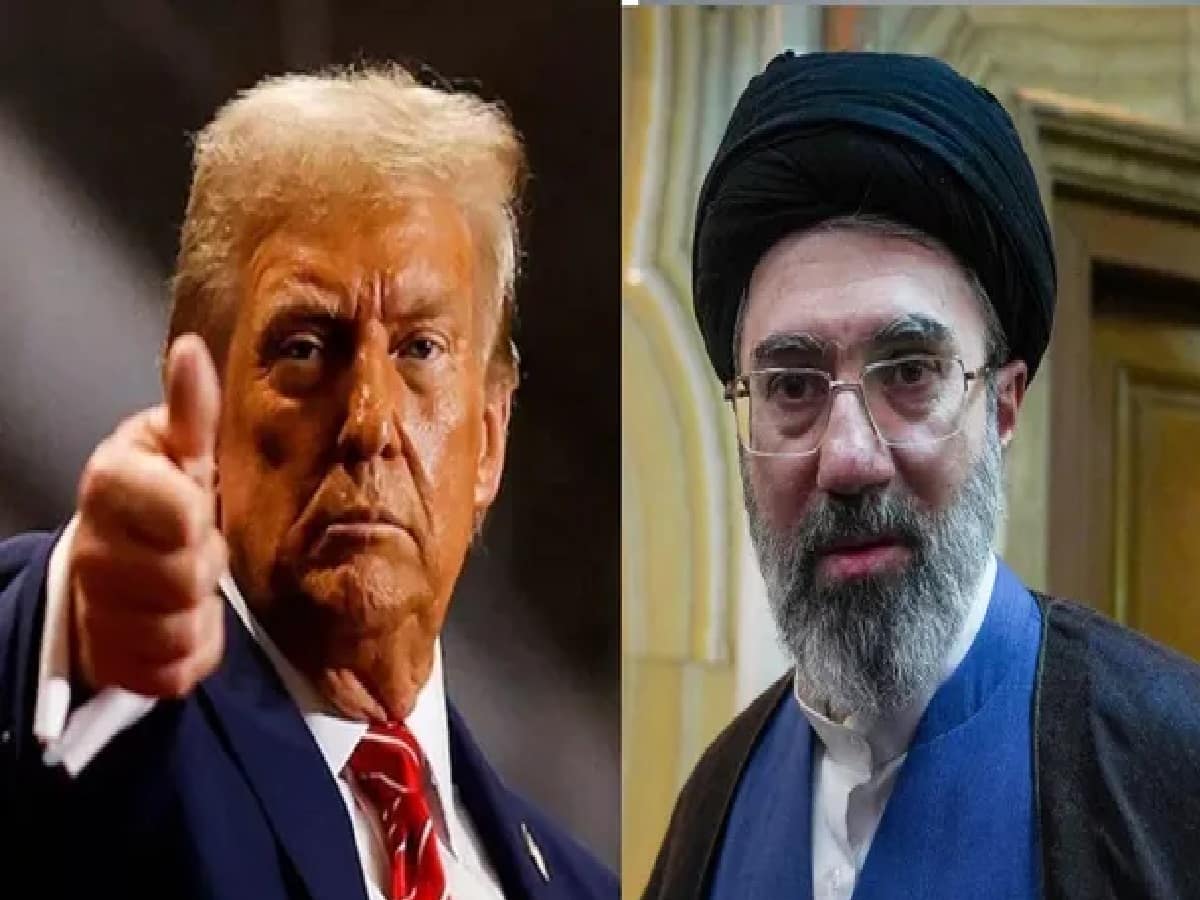
Trump Slams Iran Over '51 Years' of Deceit as Tanker Burns in Hormuz
Escalating his rhetoric toward Tehran while holding off on immediate new military strikes, United States President Donald Trump declared that Iran has been "fooling the world for 51 years" and insisted that the Islamic Republic must agree to terms meeting American expectations rather than continuing diplomatic stalling. Speaking to reporters at the White House on Friday, November 20, 2026—following earlier remarks aboard Air Force One while returning from the Asia-Pacific Economic Cooperation (APEC) summit in China and widely reported on Saturday, November 21, 2026—Trump made clear that despite reported pressure from Israeli Prime Minister Benjamin Netanyahu for renewed military action, Washington is in no rush and will decide on its next steps regarding Iran after the start of the New Year. Even as Trump claimed that global oil prices had softened because Tehran wants a settlement, fresh maritime and security jitters flared across the Strait of Hormuz on Friday afternoon: according to the United Kingdom Maritime Trade Operations (UKMTO), an outbound tanker transiting the strategic waterway was struck on its port bow by an unknown projectile roughly eight nautical miles north of Oman's Khasab port around 15:00 GMT, sparking an onboard fire with no casualties or environmental damage reported. Separately, Iran's Islamic Revolutionary Guard Corps (IRGC) Navy claimed that an oil tanker attempting to cross an unauthorized route near the entrance to Khasab with US military backing had struck naval mines and caught fire, while Iran's semi-official Tasnim News Agency walked back earlier rumors of a missile strike on Qeshm Island after smoke and an explosion triggered alarm, clarifying that the blast stemmed from the controlled disposal of unexploded ordnance. For energy importers, shipping operators, diplomats, and readers across Unnao, Lucknow, Kanpur, Mumbai, Jamnagar, Kochi, New Delhi, Muscat, and Washington, Friday's twin developments underscore the fragile balance between diplomatic brinkmanship and maritime security along the world's busiest oil chokepoint.
US–Iran Standoff & Strait of Hormuz Developments (Nov 20–21, 2026): Key Facts
To bring together President Donald Trump's White House and Air Force One statements on Iran, the conflicting maritime reports around Oman's Khasab port, and the clarification regarding Qeshm Island, the table below summarizes the verified developments:
| Event / Stakeholder | Verified Details (Nov 20–21, 2026) | Diplomatic & Energy Market Impact |
| President Trump's Warning & Timeline | Told reporters at the White House (Nov 20) that Iran has been "fooling the world for 51 years, not anymore" and must compromise on US terms; earlier told Axios aboard Air Force One that he is in no haste and will decide on next steps after the start of the New Year despite reported pressure from Israeli PM Benjamin Netanyahu. | Signals a tactical pause in major US escalation through year-end while keeping military and sanctions options open into 2027. |
| Tanker Fire North of Khasab (UKMTO Report) | UK Maritime Trade Operations (UKMTO) reported that an outbound tanker in the Strait of Hormuz was struck on its port bow by an unknown projectile around 15:00 GMT on Friday, 8 nautical miles north of Khasab, Oman, causing a fire onboard with no casualties or environmental damage. | Prompted UKMTO to advise commercial vessels in the area to exercise heightened caution and report suspicious activity. |
| IRGC Navy's Sea-Mine Claim | Iran's IRGC Navy stated via Iranian state media that an oil tanker attempting to traverse an unauthorized corridor near the entrance to Khasab port with US military assistance hit naval mines and caught fire, warning it monitors all Gulf shipping. | Reflects ongoing contestation over navigation rules in the Strait of Hormuz since the February 28 conflict erupted. |
| Qeshm Island Explosion Clarification | After smoke and a loud blast on Qeshm Island sparked speculation of a fresh missile strike, Tasnim News Agency clarified the explosion resulted from the disposal of unexploded ammunition. | Helped calm immediate fears of a wider retaliatory exchange across southern Iran's coastline. |
Why Trump Delayed Fresh Military Decisions on Iran Until After the New Year
Nearly nine months after joint US and Israeli strikes launched against Iran on February 28, 2026 triggered intermittent clashes, a June memorandum of understanding, and subsequent deadlock over free navigation in the Strait of Hormuz, Donald Trump sought on Friday to project both resolve and patience. Speaking aboard Air Force One on his return from the APEC summit in China and later at the White House, Trump pushed back against reported urging from Israeli Prime Minister Benjamin Netanyahu for an immediate renewed offensive, stating that Washington will weigh its options over the coming weeks and make a final determination after the New Year. At the same time, Trump vented frustration over the absence of a satisfactory nuclear and regional agreement, accusing Tehran of "fooling the world for 51 years"—an era he vowed has ended—and insisting that falling oil prices show Iran is under pressure to accept American terms.
Conflicting Accounts Over the Khasab Tanker Fire and Qeshm Island Blast
Even as Washington signaled a diplomatic pause until January, events in the Strait of Hormuz—a narrow maritime corridor between Iran and Oman's Musandam Peninsula that carried nearly one-fifth of global crude supplies prior to the 2026 conflict—demonstrated how volatile the waterway remains. On Friday afternoon, the British navy-affiliated UKMTO alerted mariners that an outbound tanker had been hit on its port bow by an unknown projectile eight nautical miles north of Khasab, Oman, igniting a fire that was brought under control without injuries or pollution. Shortly afterward, Iran's IRGC Navy attributed the blaze to naval mines struck while the tanker allegedly used an unauthorized route under US military escort. Meanwhile, initial alarm over smoke rising from Qeshm Island subsided after Tasnim News Agency confirmed the blast came from controlled disposal of unexploded ordnance—keeping global oil markets on edge over any miscalculation in the Gulf




