Trump Rejects Iran’s 7-Day Ceasefire: Tehran Bombing May Resume Post US Midterms
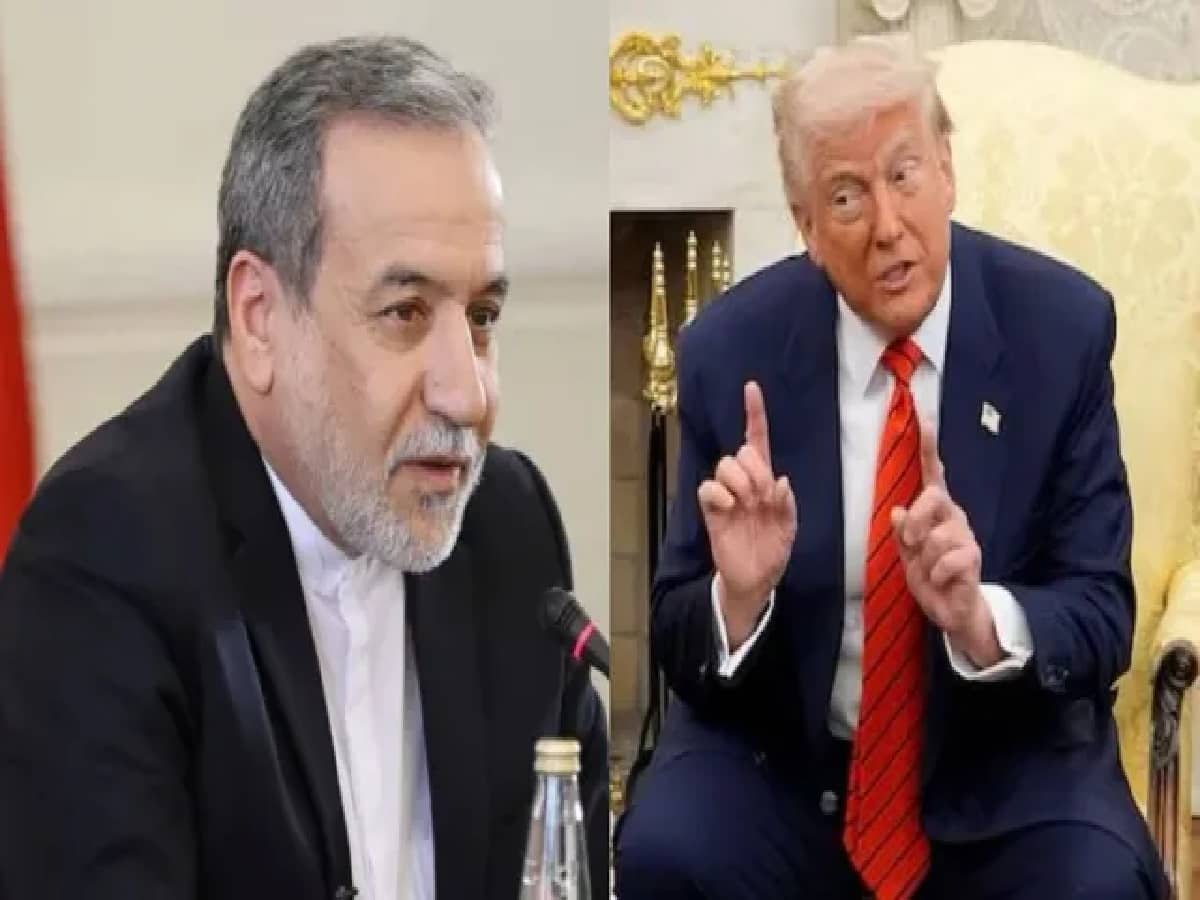
Geopolitical friction across West Asia has surged toward another dangerous inflection point following United States President Donald Trump's outright rejection of an Iranian-backed seven-day ceasefire proposal. According to an explosive investigative report published by The Wall Street Journal citing senior American officials, the US Commander-in-Chief dismissed backchannel overtures aimed at temporarily halting ongoing military confrontations. The report indicates that Trump has privately signaled to national security advisers and senior aides that the United States is actively preparing to resume aggressive aerial bombardments and broader military strikes against strategic targets across Tehran once the upcoming US midterm elections conclude in November. The development puts the brakes on backchannel mediation and raises the prospect of a direct, expanded conflict across regional trade corridors.
UNGA Ultimatum: Massive Strikes or Post-Election Deal on Washington's Terms
The formal dismissal of the ceasefire roadmap closely follows Trump's high-stakes address at the United Nations General Assembly in New York, where he laid out a blunt, uncompromising ultimatum regarding the future of the Islamic Republic. Addressing world leaders, Trump openly declared that Washington faces an impending strategic choice: either permit Iran a diplomatic pathway to rebuild under strict constraints or unleash devastating, unprecedented military strikes that would leave the Iranian regime permanently unable to recover. While keeping massive retaliatory force firmly on the table, Trump hinted that any potential diplomatic breakthrough or binding framework would only be pursued after American voters deliver their verdict at the ballot box in November, leaving Tehran in prolonged military suspense.
Iran's Proposed De-Escalation Plan: Strait of Hormuz Reopening Offered
Prior to Washington's public rejection, Iranian Foreign Minister Seyyed Abbas Araghchi had crafted and transmitted a detailed seven-day diplomatic blueprint via regional intermediaries to defuse the standoff. Under Tehran’s draft, regional de-escalation steps would culminate on the seventh day with the formal reopening of the vital Strait of Hormuz to international commercial maritime traffic, alongside the reactivation of suspended nuclear negotiations. Speaking during bilateral consultations with German Foreign Minister Johann Wadephul, Araghchi defended the proposal as a balanced framework rooted in understandings reached earlier in June. The Iranian diplomat insisted that enduring stability across the Persian Gulf remains contingent on Washington abandoning its interventionist policies, accusing joint US and Israeli military operations of sabotaging active diplomatic channels while falsely blaming Tehran for maritime disruptions.
President Pezeshkian Blames US for Scuttling June Diplomatic Framework
Sharpening Tehran's rhetoric, Iranian President Masoud Pezeshkian delivered a scathing critique of Washington's foreign policy during an exclusive interview with Fox News. Pezeshkian accused American leadership of deliberately torpedoing the foundational diplomatic agreement signed between the two sides in June. The Iranian president maintained that Tehran had fulfilled initial conditions and stood prepared to implement subsequent protocols toward regional stability. However, Pezeshkian alleged that the White House abandoned diplomatic engagements in favor of unilateral strikes and targeted assassinations, effectively dismantling the scaffolding of trust and closing avenues for a peaceful diplomatic resolution before the November polls.