Trump Rejects Iran Truce: US Prepares Post-Midterm Strikes, Says WSJ
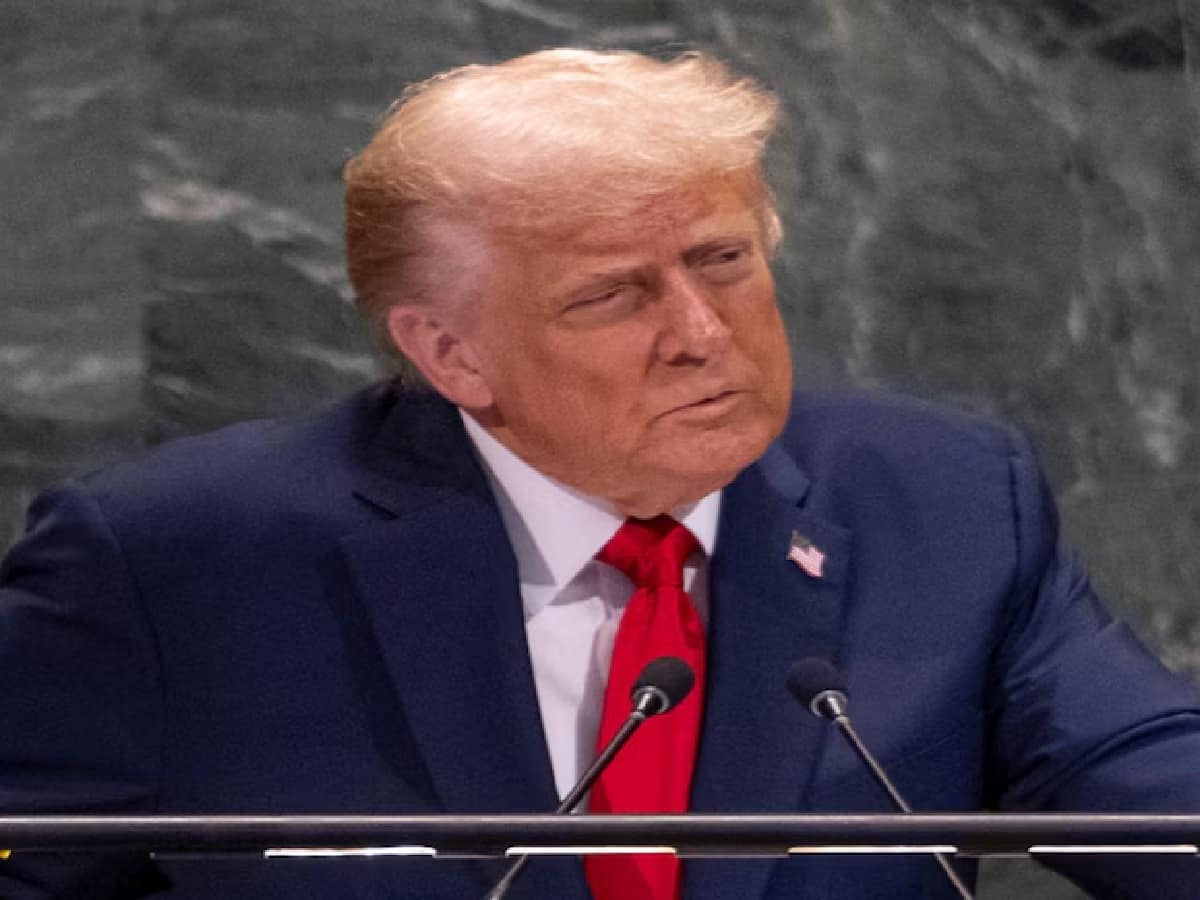
Tensions between Washington and Tehran have escalated toward another volatile standoff following United States President Donald Trump's outright rejection of Iran’s proposal to halt regional hostilities. According to a high-level investigative dispatch published by The Wall Street Journal citing senior American defense officials, the White House refused an offer from Tehran that proposed freezing active combat and reopening the crucial Strait of Hormuz within a seven-day framework. Furthermore, the report revealed that Trump has directly indicated to inner-circle aides and national security advisors that heavy US aerial bombing campaigns against Iranian military infrastructure could resume shortly after the conclusion of the American midterm elections in November, casting aside immediate diplomatic off-ramps.
Inside the Qatar-Mediated Proposal: Abbas Araghchi’s Strategic Offer
The rejected de-escalation plan was formally outlined by Iranian Foreign Minister Seyyed Abbas Araghchi on the sidelines of the United Nations General Assembly in New York. The Iranian diplomatic mission conveyed the structured seven-day stabilization draft directly to Washington through backchannel diplomatic mediation facilitated by Qatar. Under Araghchi's framework, regional de-escalation was structured to take effect immediately upon American acceptance, leading to the full reopening of maritime traffic across the Strait of Hormuz on the seventh day. Beyond opening the blocked naval artery, the Iranian roadmap sought to formally freeze wider military conflict, reactivate frozen discussions surrounding Tehran’s nuclear development program, and return both adversaries to terms rooted in their earlier framework understandings.
The Global Chokepoint: Why the Strait of Hormuz Grips World Energy Markets
The geopolitical clash over the narrow waterway carries profound implications for global energy security and crude pricing stability. As the single most critical maritime transit corridor connecting Middle Eastern hydrocarbon producers with major international consuming hubs, any sustained blockade or military interdiction within the Strait of Hormuz immediately jeopardizes global crude oil and liquefied natural gas flows. While initial speculative reports of a seven-day de-escalation briefly cooled benchmark crude futures, Trump’s decisive rejection and the renewed prospect of US air strikes after the November elections have injected fresh volatility into international commodity exchanges, keeping tanker fleets and global logistics networks operating under severe security alerts.
Deepening Diplomatic Impasse: Nuclear Program and Retaliatory Risks
Despite Iranian overtures suggesting a willingness to re-engage on its controversial nuclear capabilities, the geopolitical divide between the Trump administration and Tehran remains entrenched. Washington’s hardline stance reflects deep skepticism toward Iranian assurances and continued defiance over regional proxy activities. With the White House prioritizing punitive military deterrence over provisional ceasefires, defense analysts warn that the post-midterm timeline could herald an expanded theater of operations across the Persian Gulf, raising the stakes of severe maritime retaliations and counter-strikes targeting US military installations and international shipping lanes across the broader Middle East.