







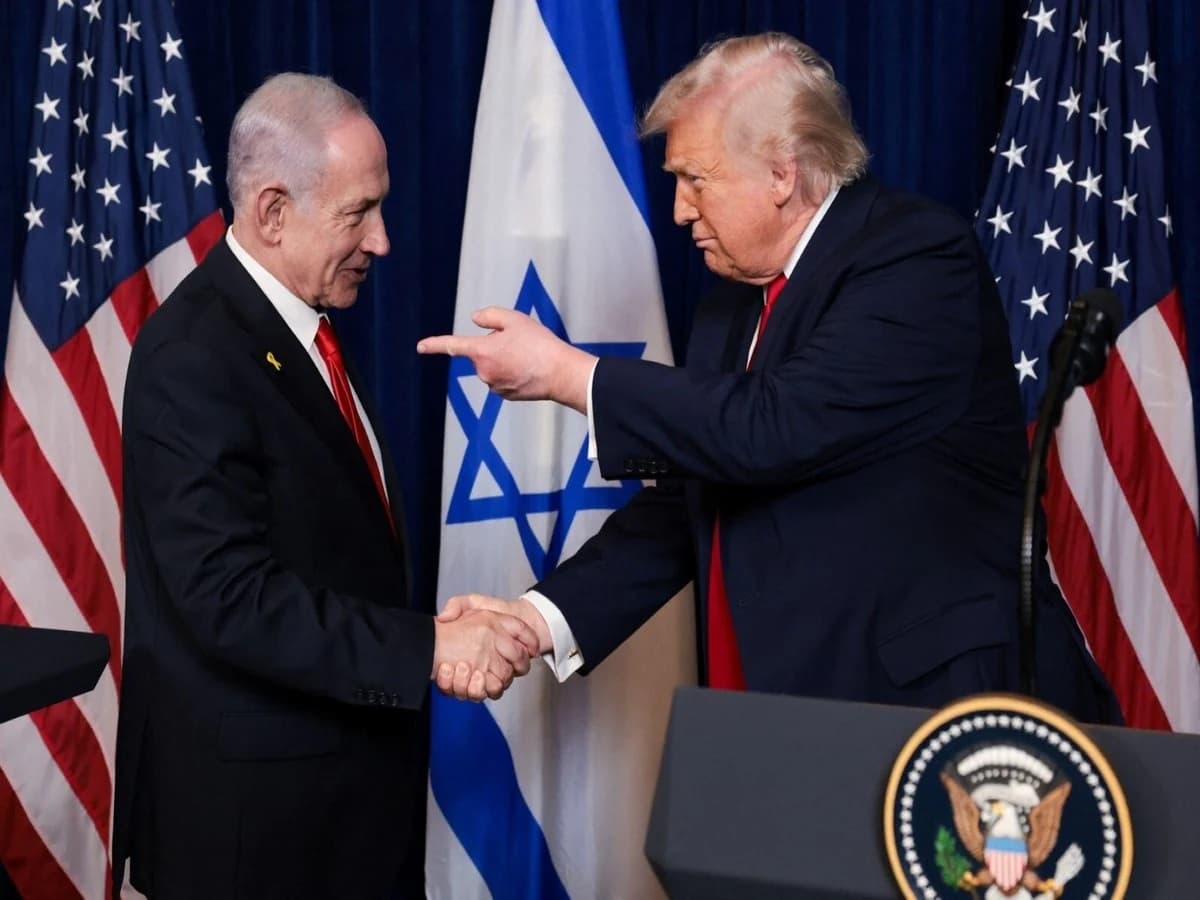
Trump and Netanyahu Clash in Heated Call Over Iran War
A sharp strategic divide between Washington and Jerusalem has spilled into the open following reports that United States President Donald Trump and Israeli Prime Minister Benjamin Netanyahu engaged in a fierce, raised-voice phone argument over the future trajectory of the conflict with Iran. According to accounts published by prominent Israeli media outlets Ynet and Yedioth Ahronoth, the two longtime political allies spoke over the weekend in an unusually tense exchange that sources familiar with the call characterized as a "shouting match from hell". While Prime Minister Netanyahu reportedly pressed the American president to authorize fresh military strikes aimed at toppling the leadership in Tehran, President Trump pushed back firmly, insisting on prioritizing ongoing diplomatic negotiations and sustained economic sanctions. Although the Israeli Prime Minister’s Office swiftly dismissed the characterization of the call as "fake news" and "complete nonsense," the reported friction underscores growing policy divergence between the two capitals over how to conclude hostilities that first erupted in late February.
Inside the 'Shouting Match': Diverging Strategies on Tehran
According to details cited by Israeli journalists, the weekend telephone conversation between Washington and Jerusalem was convened to assess the fragile standstill following months of conflict with Iran. Since the United States and Israel launched a joint military offensive against Iranian targets on February 28, 2026—a campaign that killed Iranian Supreme Leader Ayatollah Ali Khamenei before giving way to a tenuous diplomatic pause and a preliminary memorandum—both governments have been weighing their next moves. Sources briefed on the latest call indicated that discussions quickly grew acrimonious as the two leaders clashed over whether to return to active warfare or pursue a negotiated settlement.
In response to the media reports, Israeli officials moved quickly to downplay any suggestion of a personal or diplomatic rupture. In a formal statement, the Israeli Prime Minister’s Office rejected narratives of a screaming confrontation as fabricated. A senior Israeli official confirmed that President Trump and Prime Minister Netanyahu did indeed speak over the weekend, but maintained that the discussion remained businesslike and did not escalate into an altercation. Nevertheless, diplomatic observers in New Delhi, Washington, and Tel Aviv noted that even without an official confirmation of raised voices, the substantive gap between the two leaders' public statements has become increasingly difficult to conceal.
Netanyahu's Push for Regime Change vs. Trump's Diplomatic Track
At the core of the disagreement is a fundamental clash of strategic objectives regarding Tehran. Throughout the call, Netanyahu reportedly argued that pausing military operations allows Iran valuable time to regroup and rebuild its capabilities. Urging the White House to resume coordinated strikes, the Israeli leader contended that diplomatic talks alone will never deter Tehran and maintained that lasting regional security can only be achieved through the complete removal of the clerical establishment. This weekend appeal followed a report by the Financial Times noting that Netanyahu had been telephoning Trump nearly every day in an effort to persuade him to reignite a full-scale military campaign.
President Trump, however, has signaled strong reluctance to plunge American forces back into open combat in the Middle East. During the phone exchange, Trump reportedly emphasized that punishing economic pressure and diplomatic engagement remain sufficient to compel Iranian compliance without restarting a costly war. The president reinforced that position publicly during a 60 Minutes television interview on Sunday, stating plainly that he saw no reason to resume military fighting at this stage. Speaking to reporters on Monday, Trump further remarked that there was "positive momentum" toward bringing the conflict to a close and suggested that renewed American strikes on Iran appeared "quite unlikely".
Regional Allies, Qatar Mediation, and Washington's Shifting Politics
Washington’s preference for diplomacy is being shaped by intense regional lobbying as well as shifting domestic political realities in the United States. According to diplomatic reports, Arab and Muslim leaders across the Persian Gulf have grown increasingly alarmed by Netanyahu’s persistent push for renewed escalation, urging the White House to prevent a wider regional conflagration. President Trump noted on Monday that key Gulf partners—including Saudi Arabia, the United Arab Emirates, Qatar, Bahrain, and Kuwait—all oppose launching a fresh military offensive against Tehran. Meanwhile, Qatari officials confirmed on Tuesday that Doha had received constructive responses from both Washington and Tehran regarding ongoing mediation efforts, even though significant hurdles remain before a comprehensive agreement can be finalized.
Senior members of the Trump administration have echoed the president's cautious posture. Speaking on Tuesday, US Secretary of State Marco Rubio stated that Washington sees no immediate necessity to resume major combat operations against Iran, arguing that strict economic sanctions are steadily achieving American strategic goals. While Rubio warned that US forces remain fully prepared to respond if Tehran crosses established American red lines, his remarks underscored the administration's focus on containment rather than regime change. Domestically, Trump is also navigating a transformed political landscape in Washington following the November 3 midterm elections, in which Democrats gained strength in Congress and vowed rigorous legislative oversight over executive war powers and the conduct of the Iran campaign.
Domestic Pressures in Jerusalem and Knesset Warnings
In Israel, Prime Minister Netanyahu’s assertive stance on Iran is unfolding against a backdrop of acute domestic political pressure. As Israel’s longest-serving prime minister, Netanyahu has faced heightened political vulnerability following seat losses in the country’s October general elections, leaving his governing position considerably narrower than in previous terms. Critics and political analysts in Jerusalem suggest that keeping the existential threat posed by Iran at the forefront of the national agenda serves both his long-held security doctrine and his immediate political survival.
Addressing lawmakers during a session of the 26th Knesset on Tuesday, November 10, Netanyahu left little doubt about his conviction that military and political pressure must not be relaxed. Warning parliamentarians that Tehran is actively attempting to reconstitute its nuclear threat, the prime minister declared that neither limited strikes nor economic sanctions alone will permanently neutralize the danger. He reiterated before the Israeli parliament that the only definitive way to eliminate the threat is the collapse of the Ayatollah regime.
History of Friction and What Lies Ahead for US-Israel Ties
While Trump and Netanyahu have frequently projected close personal camaraderie, their relationship has weathered periodic bouts of sharp behind-the-scenes friction. Similar disagreements surfaced multiple times in June earlier this year, when Trump later acknowledged in a media interview that he had spoken to Netanyahu in unusually blunt terms during a tense phone call. As Qatar-mediated talks continue and Washington balances Gulf alliances against Israeli security demands, the coming weeks will test whether the two leaders can reconcile their competing visions for Tehran—or whether strategic differences will continue to strain one of the world’s closest bilateral partnerships.




