Trump Administration Grants US Visas to Iranian President Pezeshkian and Foreign Minister for UNGA Amid War
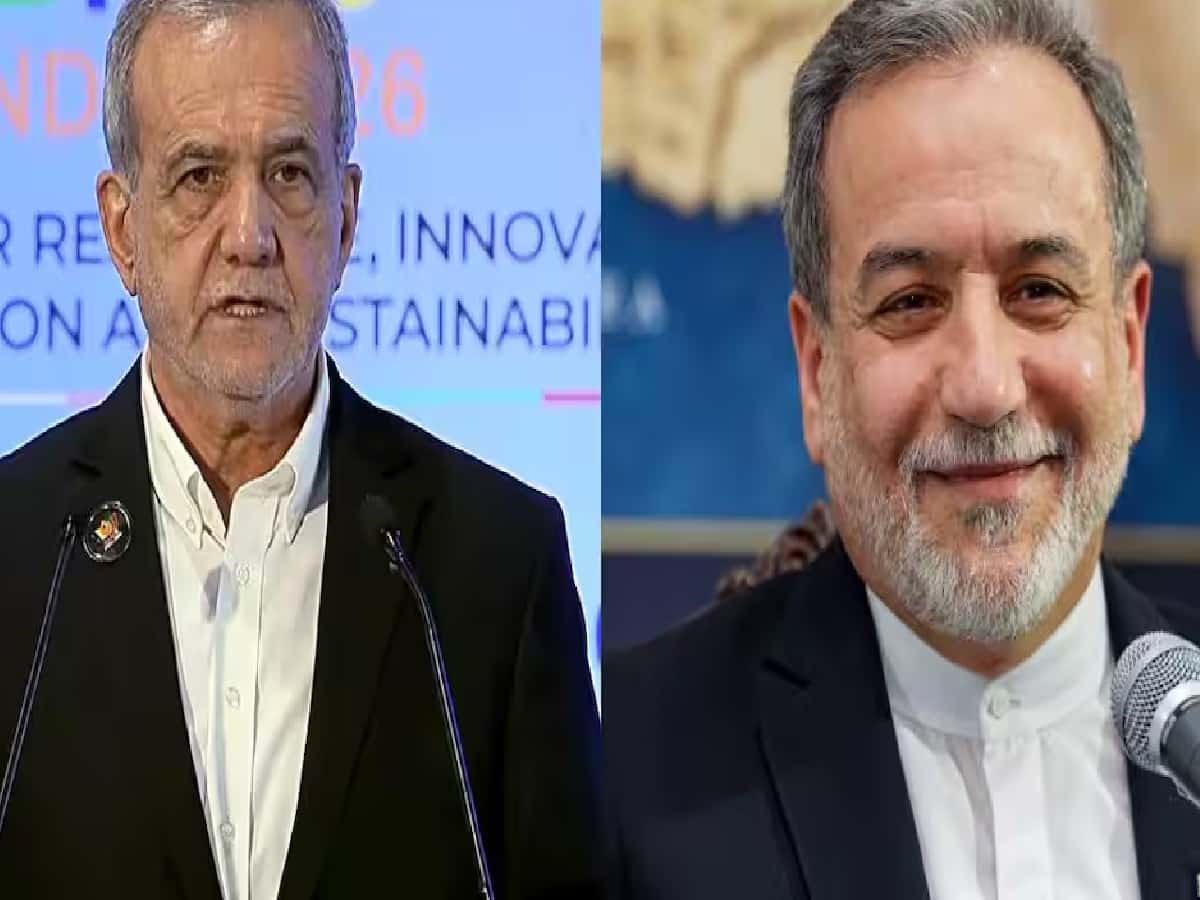
In a dramatic diplomatic turn amidst ongoing military confrontations across the Middle East, the Trump administration has officially approved US entry visas for Iranian President Masoud Pezeshkian and Foreign Minister Abbas Araghchi to lead Tehran's delegation at the upcoming United Nations General Assembly (UNGA) sessions in New York City. The high-level clearance by the United States Department of State comes against the backdrop of more than six months of open hostility, cross-border exchanges, and unresolved disputes surrounding the strategic Strait of Hormuz and Iran's nuclear program. Announcing the step on Thursday, American officials affirmed that entry permissions have been granted to Iran’s core executive leadership and essential support staff strictly to facilitate participation in formal multilateral sessions at the UN headquarters.
Trump Hints at War Approaching Its End as Iranian Leadership Prepares New York Visit
The approval of travel documentation for Iran’s head of state follows claims made by US President Donald Trump indicating that Tehran has actively reached out to Washington to explore terms for a comprehensive settlement. Addressing the trajectory of the standoff, President Trump asserted that escalating pressure and changing regional calculations suggest the protracted conflict is nearing its final phase, with Iranian leadership increasingly interested in securing a workable compromise. While both nations have sustained severe military engagements without formal diplomatic channels since combat operations commenced, diplomatic analysts interpret the granting of visas to Pezeshkian and Araghchi as a potential opening for backchannel communications or de-escalation maneuvers on the sidelines of the New York assembly.
Conflict Timeline: Six Months of Strikes Since February Joint Operations
The current armed confrontation between Washington and Tehran ignited in February 2026 when joint military strikes conducted by the United States and Israel heavily struck key Iranian state installations, military command bases, and integrated air defense architectures. Refusing to yield, Tehran retaliated with extensive waves of ballistic missiles and long-range suicide drones aimed directly at Israeli population centers and US military forward bases positioned throughout the region. With the vital oil transit corridor of the Strait of Hormuz remaining a volatile geopolitical flashpoint and negotiations over international uranium enrichment monitoring stalled, the presence of Iran’s highest executive officials on American soil represents the most crucial diplomatic opening since active hostilities began.