







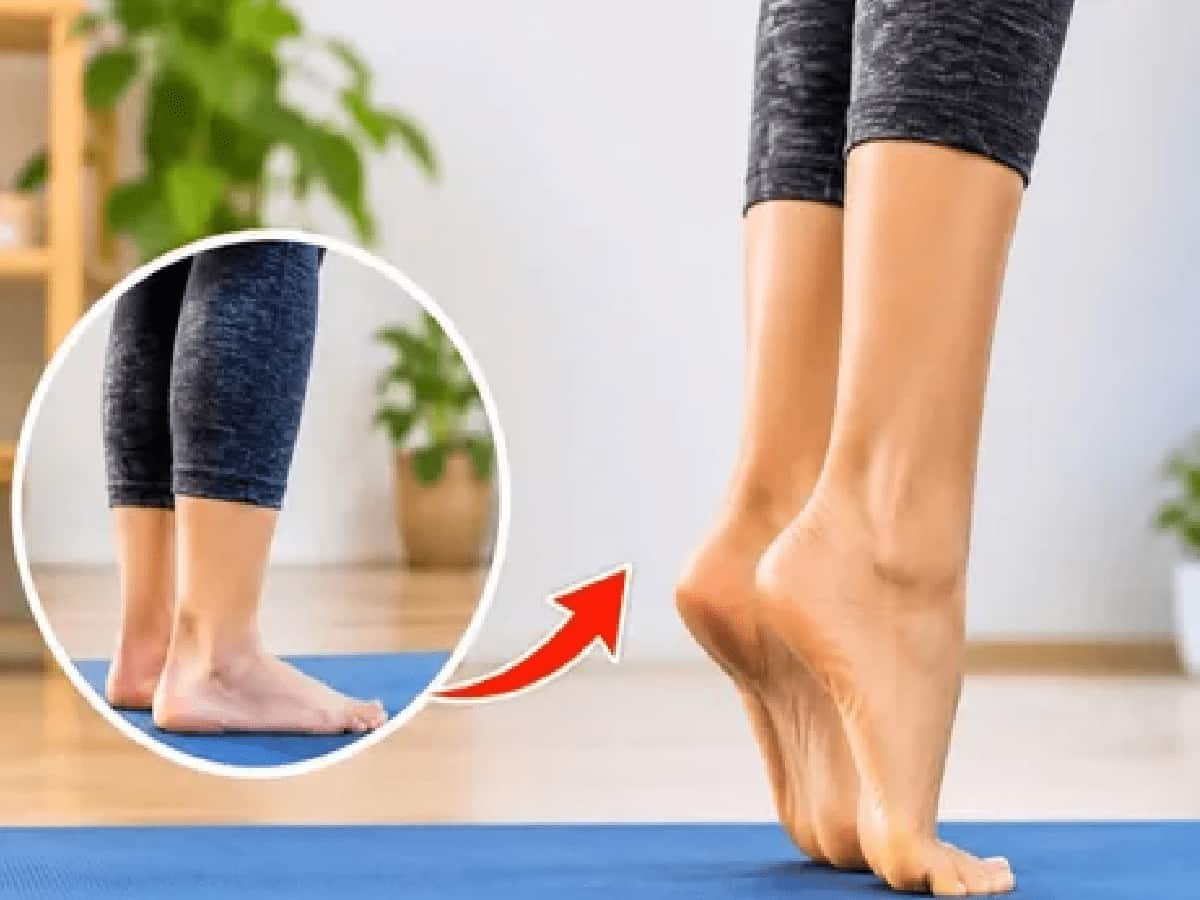
Standing on Toes Daily: Simple Habit for Stronger Legs & Balance
Staying fit does not always require hours spent on heavy gym machines or elaborate workout routines. Often, small, consistent movement habits woven into ordinary parts of the day deliver surprising physical returns—and standing on your toes (often practiced as a static tiptoe hold or controlled heel raise) is one of the easiest places to start. Because it requires zero equipment and can be practiced at home, at a standing desk, or during brief breaks from sitting, daily toe stands offer a practical way to wake up lower-body muscles and build everyday stability. For busy professionals, students, homemakers, and older adults across northern India—including households across Uttar Pradesh cities such as Unnao, Kanpur, Lucknow, Prayagraj, and Varanasi where long commutes or desk hours are common—a few seconds on your toes can serve as a simple reset for tired legs.
Strengthens Lower Legs, Calves, and Foot Muscles
Rising onto the balls of your feet and toes directly engages the gastrocnemius and soleus muscles of the calves along with the intrinsic muscles of the feet and arches. Over time, regular practice builds muscular endurance in the lower legs, making everyday tasks like climbing stairs, brisk walking, or standing for extended stretches feel less taxing.
Improves Body Balance and Neuromuscular Coordination
Balancing on a smaller base of support challenges the nervous system to fine-tune communication between the brain, inner ear, joints, and stabilizing muscles. Practicing brief toe stands regularly helps sharpen steadiness and spatial awareness, which is particularly valuable for older adults looking to maintain confident balance in daily movement—provided they stay near a wall or sturdy counter for support if needed.
Supports Blood Circulation and Relieves Leg Heaviness
Spending hours seated at a desk or traveling can leave lower limbs feeling sluggish or heavy. Activating the calf muscles helps pump venous blood back upward toward the heart, supporting healthy lower-limb circulation and easing that familiar end-of-day feeling of stiffness or heaviness in the legs and feet.
Reinforces Ankle, Knee, and Core Stability
Stronger lower-leg and foot muscles share load that might otherwise concentrate on sensitive joints. By building muscular support around the ankles and knees, consistent toe-stand practice can help promote steadier joint mechanics while subtly engaging the core and postural muscles to keep the torso upright. When practiced mindfully with a tall spine and relaxed shoulders, it can also serve as a quick posture check against slouching.
How to Practice Standing on Your Toes Safely Every Day
-
Stand tall with your feet hip-width apart and weight evenly distributed, keeping a wall, chair back, or countertop nearby for light balance support if you are a beginner or working on steadiness.
-
Slowly lift your heels off the floor so you are balancing comfortably on the balls of your feet and toes without rolling your ankles outward or inward.
-
Hold the position for 10 to 15 seconds while breathing steadily and keeping your core gently engaged.
-
Lower your heels back to the floor with control, rest briefly, and repeat for 8 to 10 repetitions.
If you experience sharp pain in your feet, ankles, knees, or lower back, or have a known foot or balance condition, scale back the hold time or consult a qualified healthcare or physiotherapy professional for personalized guidance.




