







Shehbaz Government Ousts Imran Khan's PTI to Enforce Governor's Rule
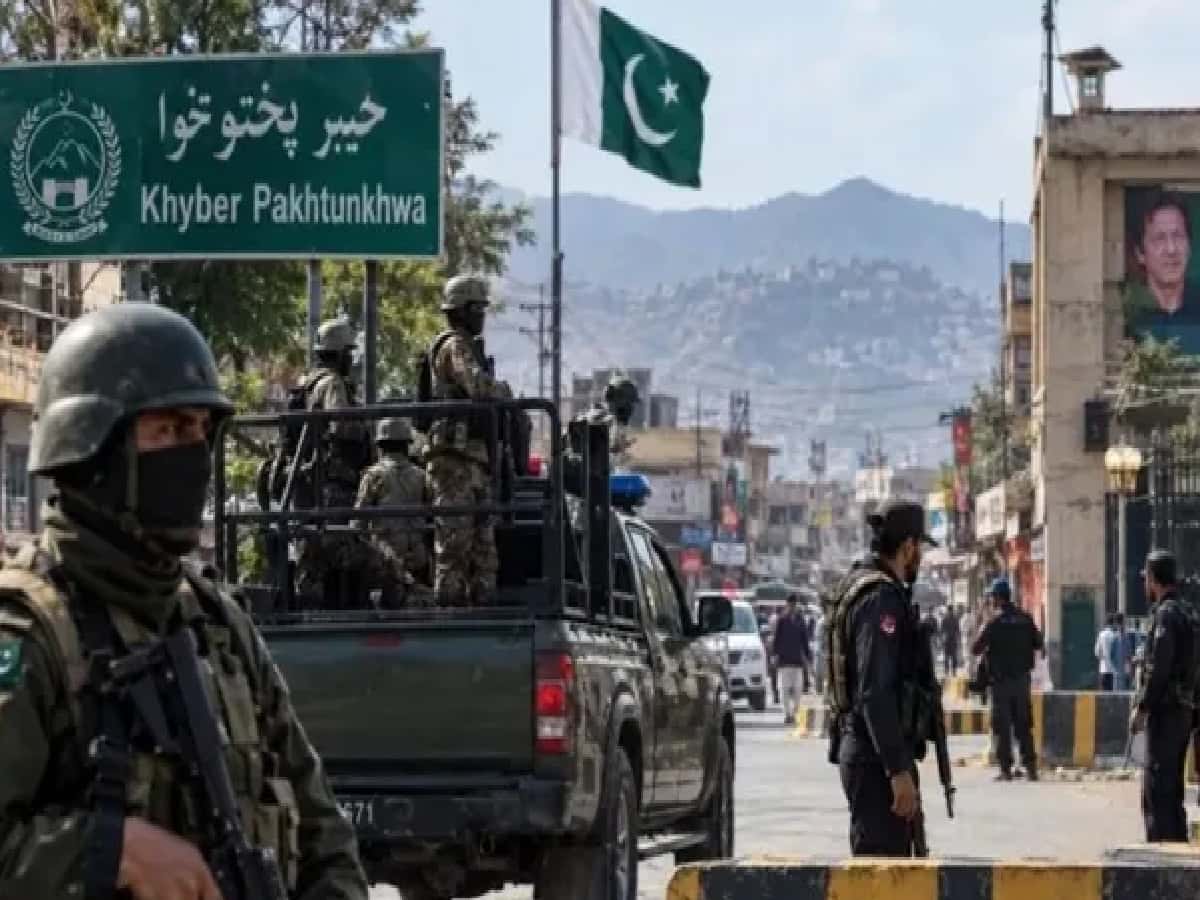
In a political move that significantly alters Pakistan's internal federal dynamics, the country's Parliament on Thursday approved the federal government’s decision to impose an emergency and enforce Governor’s rule across Khyber Pakhtunkhwa (KP). The joint-session ratification officially terminates the provincial administration governed by former Prime Minister Imran Khan’s party, the Pakistan Tehreek-e-Insaf (PTI), shifting executive and administrative control of the northwestern province into the hands of the provincial Governor. The passage of the resolution triggered high drama and chaotic scenes inside the legislative chamber in Islamabad, as opposition lawmakers staged demonstrations, chanted anti-government slogans, and held up placards reading "Emergency Rejected" to protest the displacement of the elected provincial government.
High-Voltage Joint Session: Tariq Fazal Chaudhry Tables Resolutions Amid Opposition Uproar
The constitutional maneuver was formally moved during a joint sitting of the National Assembly and the Senate by Federal Minister for Parliamentary Affairs Tariq Fazal Chaudhry, who introduced twin resolutions authorizing emergency powers and the enforcement of Governor’s rule. While both houses of Parliament had separately endorsed the proclamation of emergency on Wednesday, constitutional protocols required the approval of a joint parliamentary session to institutionalize Governor’s rule and dissolve the provincial executive setup in Peshawar. Despite intense resistance from PTI benches—who termed the measure a politically motivated maneuver aimed at crushing Imran Khan's party—the ruling coalition led by Prime Minister Shehbaz Sharif utilized its legislative numbers to adopt both resolutions following a brief, fiery floor debate.
Counter-Terrorism Impasse: Behind the October 11 Federal Takeover in Khyber Pakhtunkhwa
The parliamentary approval marks the culmination of an escalating standoff that began on October 11, when the Shehbaz Sharif-led coalition government first invoked emergency provisions in the province. Federal authorities justified the takeover by pointing to an alarming surge in militant activities and cross-border insurgent violence, alleging that the PTI-led provincial government had persistently failed to cooperate with federal security apparatuses in conducting vital counter-terrorism operations. With Khyber Pakhtunkhwa situated along sensitive frontier corridors, federal leadership argued that administrative non-cooperation posed a direct threat to national security. By consolidating bureaucratic, operational, and law-enforcement authority under the Governor, the federal government aims to take unilateral command of regional security protocols, a transition that has further intensified Pakistan’s political and constitutional polarization.




