







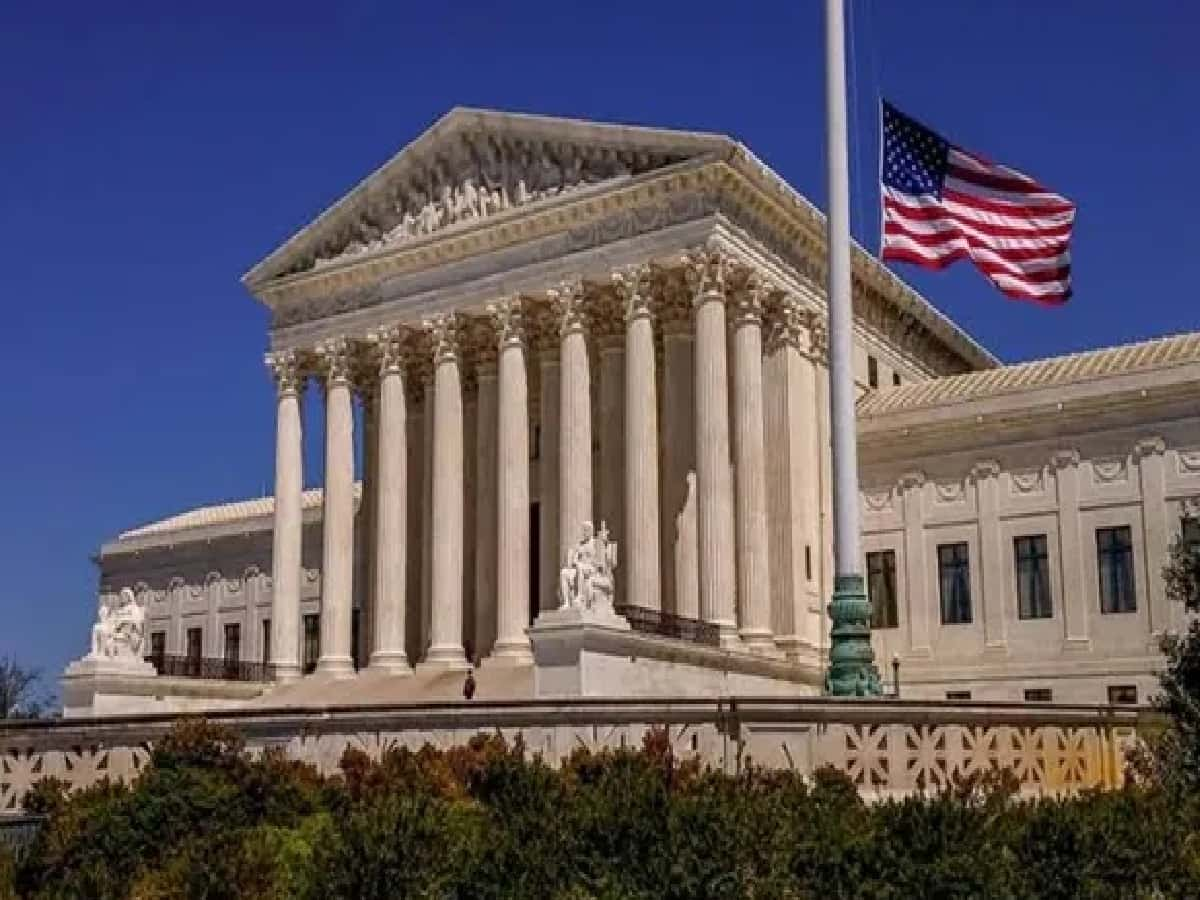
SCOTUS Backs Texas-DOJ Pact to Strip Judges of Deportation Pauses
In a pivotal ruling affecting nationwide immigration enforcement, the US Supreme Court on Tuesday refused to block an agreement between the Department of Justice and the state of Texas that effectively terminates the discretion of immigration judges to temporarily halt deportation proceedings. Issuing a brief, one-sentence order without noted dissents or detailed judicial opinions, the high court rejected an emergency application brought by advocacy organizations and municipal administrations seeking to preserve Biden-era administrative guidelines. The decision leaves intact a nationwide injunction resulting from an expedited settlement between the federal government and Republican officials in Texas, marking a significant legal victory for efforts to curtail procedural pauses in removal cases and accelerating executive-led deportation enforcement across the country.
Emergency Plea Denied: Cities and Rights Groups Allege Collusion Over Due Process
The legal challenge was spearheaded by civil rights organization Centro Legal de la Raza on behalf of the municipal governments of Baltimore, New Haven, and Columbus. The petitioners sought an immediate stay of the federal settlement while their substantive lawsuit played out in lower appellate courts, arguing that the abrupt policy change strips immigrants of essential procedural protections. Under the mechanism known as "administrative closure," immigration judges historically possessed the procedural autonomy to temporarily take deportation matters off active dockets when foreign nationals were actively pursuing legitimate legal pathways, including humanitarian asylum relief, green card adjustments, or specialized visa petitions. Advocacy groups argued that stripping judges of this calendar management tool would severely undermine due process and overburden courtrooms, while characterizing the expedited agreement between federal authorities and Texas as procedural collusion intended to bypass standard notice-and-comment regulatory requirements.
From 2024 Formalization to Judge O'Connor's Ruling: The Paxton Lawsuit
The dispute traces back to administrative battles over court backlog management and executive discretion. While critics and immigration hardliners had long contended that administrative closure served as an indefinite delay tactic that stalled deportations for years, the Biden administration had formally codified the rule in 2024 to clear judicial backlogs and standardize judicial discretion. The trajectory shifted in April 2025 when federal attorneys announced they would no longer defend the regulation in federal court. Seizing on the withdrawal of defense, Texas Attorney General Ken Paxton filed a federal lawsuit in June arguing that the discretion effectively functioned as an unconstitutional form of mass amnesty for unauthorized migrants. In an extraordinary legal sequence, the Justice Department and Texas reached a formal settlement on the very same day the complaint was lodged, prompting US District Judge Reed O'Connor to sign off on the deal and impose a nationwide block on the rule that now stands upheld by the nation's highest court.




