







Satellite Images Reveal Heavy Blast Damage to Saudi Oil Pipeline: Global Crude Supply on Edge
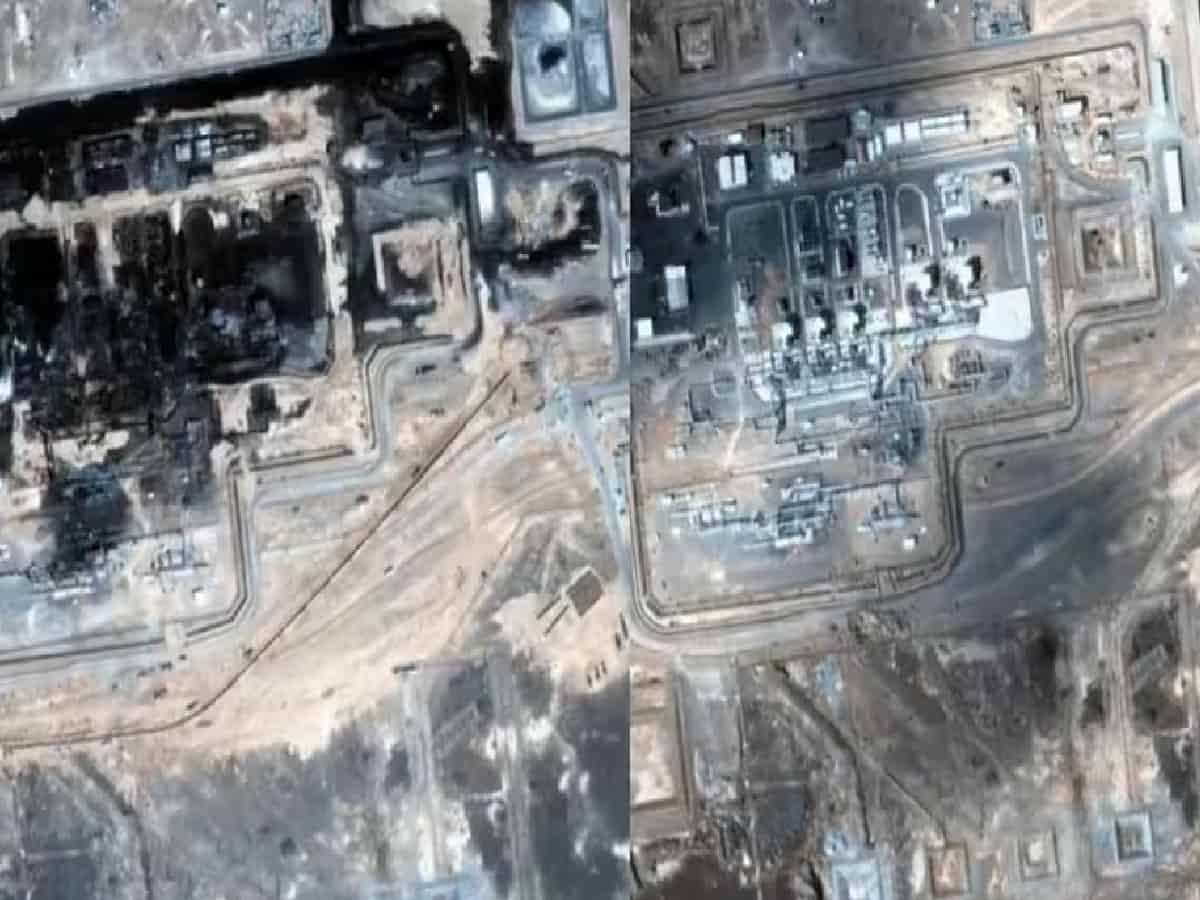
High-resolution commercial satellite imagery captured over the Arabian Peninsula has laid bare the extensive structural devastation inflicted on Saudi Arabia's critical East-West crude pipeline following a precision drone assault. Orbital sensors recorded prominent burn scars, charred ground perimeters, and compromised hardware surrounding a primary booster pumping station along the 1,200-kilometer arterial conduit. Connecting the Kingdom's hydrocarbon-rich eastern oil fields directly to the Red Sea export terminal at Yanbu, the pipeline functions as Riyadh’s primary strategic bypass around the vulnerable Strait of Hormuz chokepoint. With operations temporarily suspended to facilitate emergency structural assessments, energy analysts warn that restoring full throughput could take several weeks, threatening supply crunches across global refining hubs.
Extensive Scorching at Pumping Station: Yanbu Export Schedules Suspended
Comparative before-and-after satellite photography highlights localized thermal devastation across key utility modules, validating orbital infrared telemetry that flagged intense smoke and heat spikes around September 10. To prevent runaway systemic pressurization and further fire hazards, Saudi authorities executed an emergency operational shutdown of the transit line. The sudden closure immediately crimped crude deliveries feeding the Yanbu marine terminal, forcing the Kingdom to defer September cargo loadings and suspend select seaborne consignments bound for European refineries. The operational bottleneck removes a vital trans-peninsular transport corridor that routinely routes high volumes away from Gulf waters directly toward western maritime lanes.
Complex Repairs May Span 4 to 6 Weeks as Kepler Warns of Supply Constraints
Restoration timelines for the damaged infrastructure remain fluid as technical teams evaluate internal valve blocks and pipeline integrity. Energy data intelligence firm Kepler indicated that complete rehabilitation could require anywhere between four and six weeks, with lead times dictated by the immediate availability of specialized spare parts and disrupted logistical corridors. While partial flows might resume earlier under throttled operational pressure, an extended interruption threatens significant physical volumes. The East-West pipeline commands a nameplate capacity of 4 to 5 million barrels per day—accounting for nearly 4 percent of total global oil supply. Against this backdrop of physical supply disruptions, Brent crude prices surged to approximately $108 per barrel before moderating to $107.82 per barrel following localized inventory builds in the United States.
Cross-Border Drone Incursions: Iraqi Militias Implicated Alongside Houthi Flares
Geopolitical tensions have intensified across the region as intelligence assessments point toward coordinated proxy operations. Saudi officials have attributed the pipeline strike to Iran-backed militia factions operating out of southern Iraq, prompting Baghdad to launch an internal security inquiry while targeted groups issued denials. Concurrently, Yemen's Houthi movement has escalated cross-border drone and missile salvos deeper into Saudi territory, compounding regional defense pressures. Satellite surveillance corroborated damage to at least three hardened aircraft shelters housing US-made F-15 fighter jets at King Khalid Air Base near Khamis Mushait, where military coalition officials confirmed 13 personnel were injured during airborne incursions.
Red Sea Chokepoints Under Pressure: Dual Vulnerability Strains Energy Corridors
The infrastructural blow along the overland conduit comes as maritime security rapidly deteriorates near the Bab al-Mandab Strait, where Houthi fighters have asserted wider offensive reach over key commercial shipping lanes. The confluence of these strikes leaves the world's largest oil exporter navigating compound logistical bottlenecks. With maritime shipping exposed in regional waters and overland diversion lines compromised, Riyadh faces shrinking margin for maneuver. Prolonged repair cycles that exhaust storage buffers at Yanbu could force crude volumes back onto contested maritime sea lines, exposing global benchmark contracts to heightened volatility as traders monitor the security of critical transit infrastructure.




