Russia Backs India and Brazil for Permanent UNSC Seats, Strongly Opposes Bids
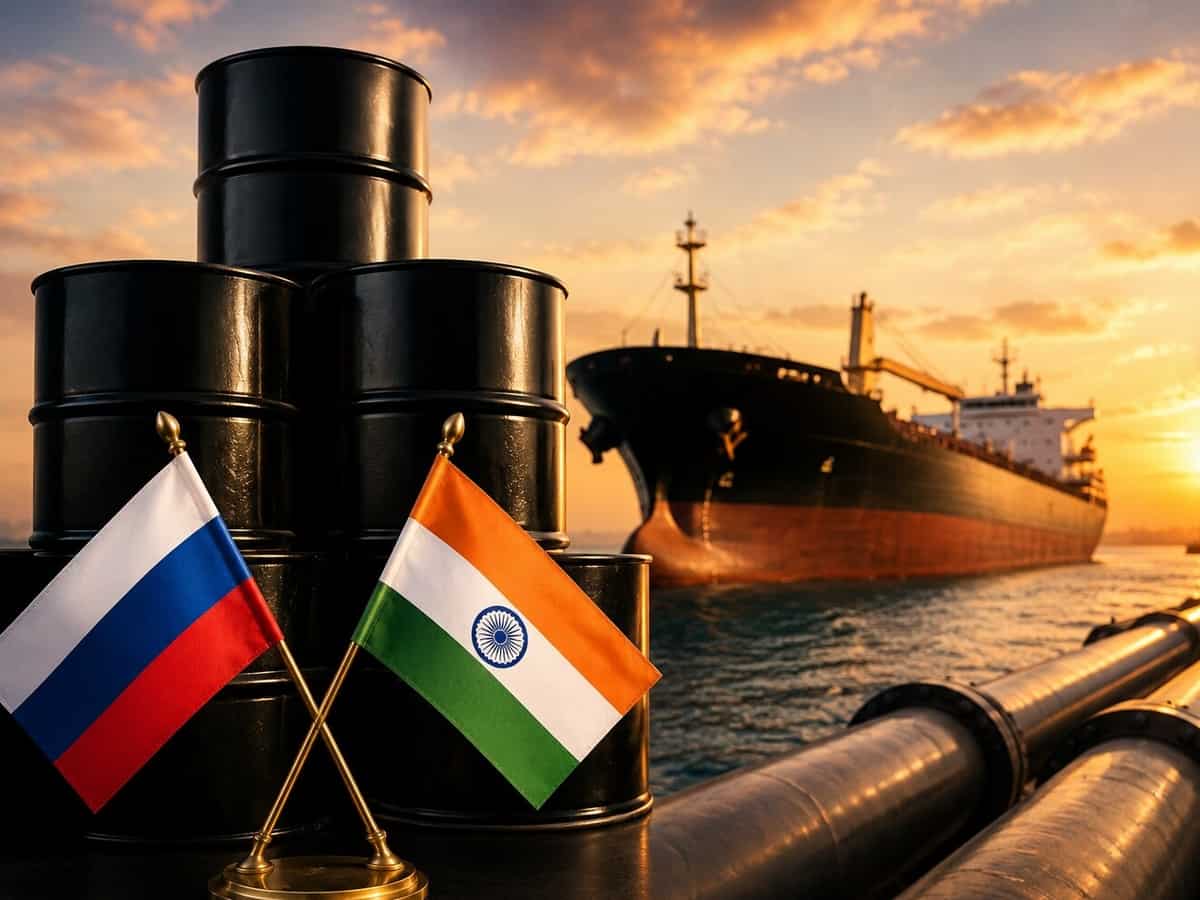
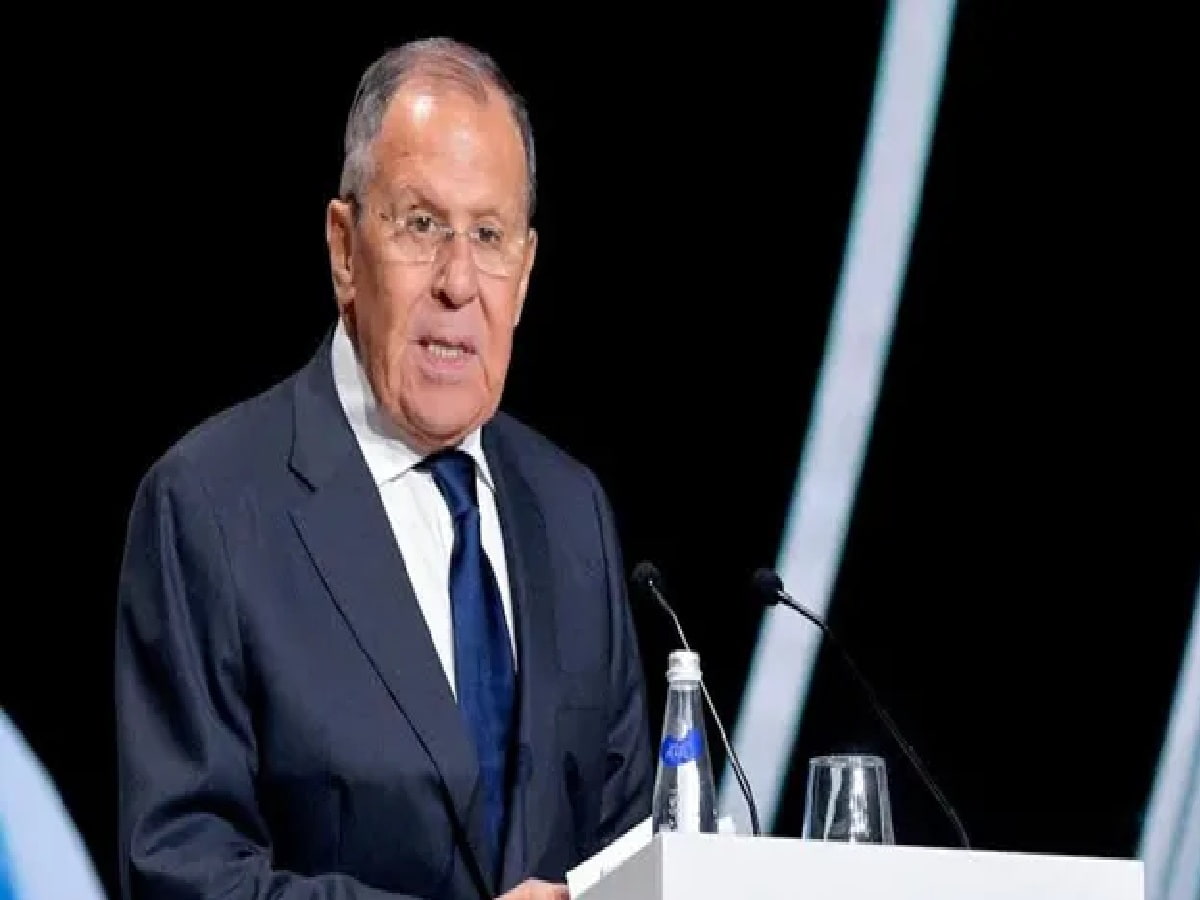
Delivering a high-impact diplomatic address at the United Nations General Assembly in New York, Russian Foreign Minister Sergey Lavrov reaffirmed Moscow's unequivocal backing for India to secure a permanent seat on the United Nations Security Council (UNSC). Lavrov emphasized that the premier global security apparatus must adapt to modern geopolitical realities by empowering the developing world, commonly referred to as the Global South. Highlighting the necessity for equitable global governance, the veteran Russian diplomat noted that Asia, Africa, and Latin America are severely underrepresented at the high table of international diplomacy. Russia formally endorsed the candidacies of India and Brazil as natural, deserving contenders for permanent status, while emphasizing that permanent representation must also be extended to safeguard the collective geopolitical interests of the African continent.
Moscow Rebuffs Western Expansion: Sharp Objections to Germany and Japan
While advocating for major emerging powers, Lavrov drew a firm diplomatic line against expanding the Security Council with additional Western-aligned nations, arguing that Western interests already enjoy disproportionate representation within the existing 15-member body. The Russian Foreign Minister explicitly opposed the permanent membership bids championed by Germany and Japan, two members of the G4 negotiating bloc. Addressing delegates, Lavrov alleged that both Berlin and Tokyo are actively ramping up their defense and military capabilities in an attempt to reclaim their pre-World War II global postures. Consequently, Moscow reiterated that adding more G7 or NATO-aligned partners would fail to bring balance, neutrality, or true multilateral diversity to the council's decision-making architecture.
Safeguarding Permanent Member Prerogatives and Veto Privileges
Addressing ongoing discussions surrounding structural reform within the United Nations, Lavrov laid down a strict precondition, stating that any expansion or restructuring of the Security Council must not diminish or compromise the sovereign prerogatives and veto rights of the current permanent five (P5) members. Russia contends that the core purpose of Security Council reform should focus strictly on democratizing international relations through authentic regional representation rather than diluting established institutional mechanisms. By vocally championing New Delhi’s long-pending aspiration while resisting further Western consolidation, Moscow has signaled a concerted push to align with emerging multipolar powers across the Global South during the ongoing United Nations high-level debates.