







Pitching AI-Driven Maritime Security to Protect Global Trade Corridors
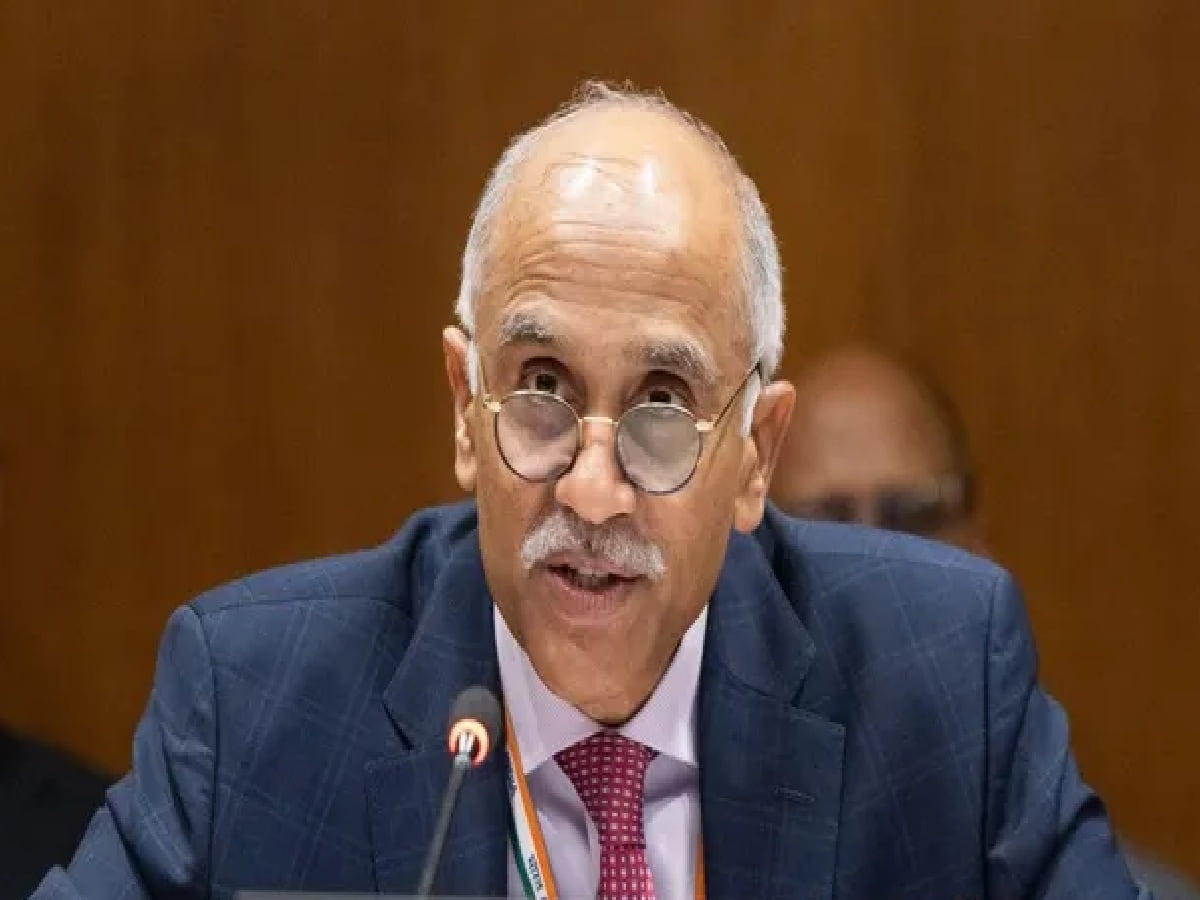
In a forward-looking diplomatic gambit aimed at redefining global ocean governance, India has formally positioned artificial intelligence and comprehensive maritime security as the foundational pillars of its campaign for a non-permanent seat on the United Nations Security Council (UNSC) for the 2028–2029 term. Articulating New Delhi's strategic vision during a high-level Security Council ministerial debate, India’s Permanent Representative to the United Nations, Ambassador Harish Parvathaneni, stressed that international waterways must be safeguarded as collaborative zones of shared prosperity rather than theaters of geopolitical friction. With the United Nations General Assembly scheduled to conduct elections in June 2027 to decide the sole contested seat allocated to the Asia-Pacific group—setting up a direct diplomatic contest between India and Tajikistan—the Indian delegation asserted that emerging digital technologies must be harnessed to defend vulnerable trade corridors, equalize digital divides, and protect global sea lines of communication without compromising human accountability.
Maritime Disruptions and the Strait of Hormuz Crisis: Protecting Developing Economies from Shipping Shocks
Underlining the urgency of coordinated international action, Ambassador Parvathaneni drew immediate attention to the escalating frequency of kinetic attacks, cyber interventions, and explosive strikes targeting commercial shipping across critical sea chokepoints. Highlighting alarming reports from the Middle East where Iran’s naval forces confirmed that three commercial oil tankers struck underwater naval mines and caught fire within the vital Strait of Hormuz, the Indian envoy warned that disruptions to merchant vessels inflict disproportionate economic damage on developing and low-income nations by triggering sky-high maritime insurance premiums, freight delays, and severe supply chain inflation. Calling for equitable technology sharing and institutional capacity building, the ambassador urged the global community to provide developing countries with direct access to advanced digital monitoring systems, tactical maritime hardware, and specialized training so they can actively participate in global technology governance rather than remaining passive casualties of maritime instability.
AI Surveillance, the SAGAR Doctrine, and Human Oversight in Autonomous Naval Systems
To counter modern asymmetrical maritime threats, India proposed the deployment of artificial intelligence algorithms capable of analyzing high-resolution satellite imagery, coastal radar feeds, and automatic identification system (AIS) vessel tracking data in real time to instantly detect dark fleets and clandestine smuggling operations. Citing the operational success of the Information Fusion Centre–Indian Ocean Region (IFC-IOR) established in Gurugram, Ambassador Parvathaneni showcased how multinational intelligence-sharing platforms can translate Prime Minister Narendra Modi’s SAGAR doctrine—Security and Growth for All in the Region—into a functioning security reality. However, while endorsing automated analytics, the Indian representative sounded a crucial cautionary note regarding the unchecked militarization of unmanned and autonomous maritime assets, noting that algorithm-driven engagements obscure operational responsibility, blur legal accountability, and heighten the danger of unintended escalation, thereby demanding rigid multilateral governance frameworks anchored by mandatory human oversight and transparent international protocols.




