Pakistan Grilled at UN Geneva: Panel Calls for GSP Trade Sanctions Over State-Backed Terror
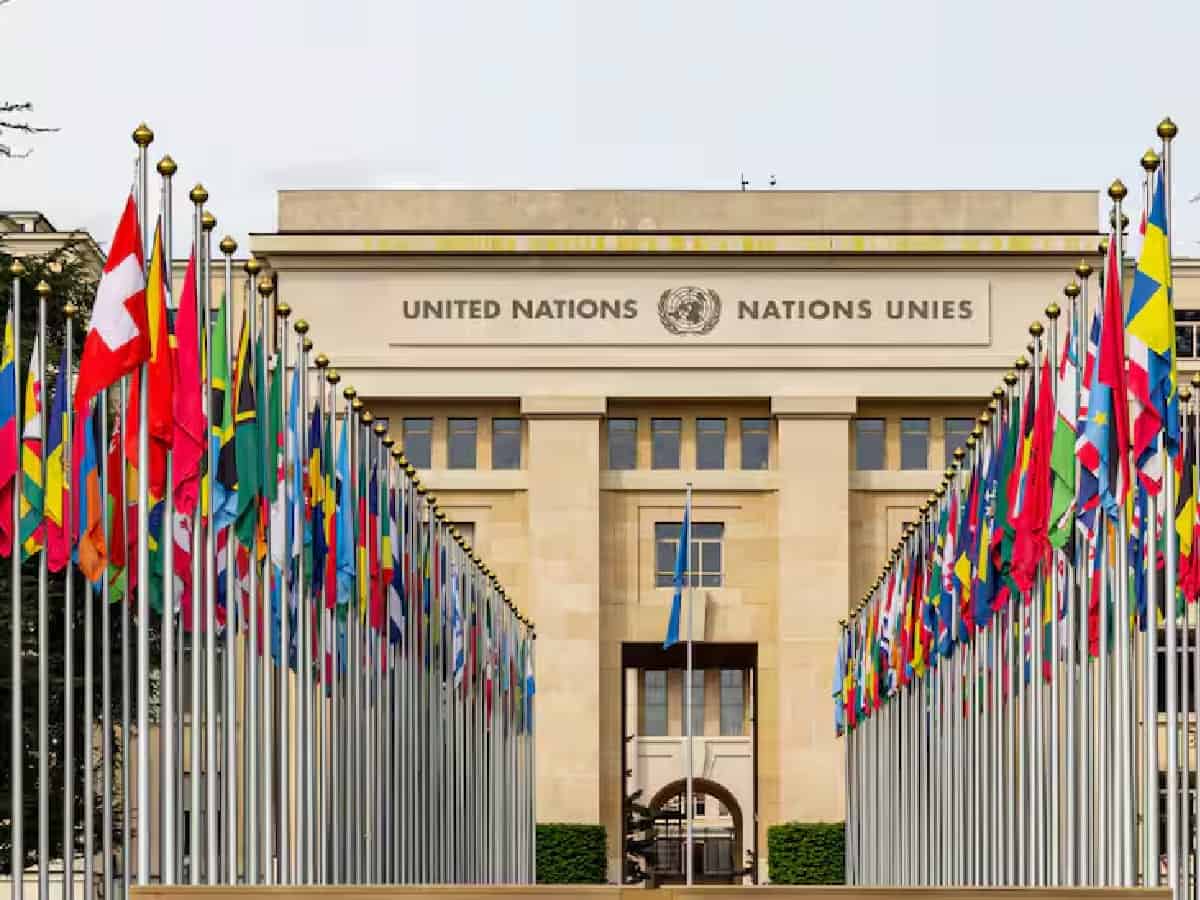
In a high-level symposium held at the United Nations Office in Geneva, international lawmakers, geopolitical scholars, and human rights advocates convened to examine the nexus between state fragility and cross-border terrorism emanating from South Asia. The conference, titled "Fighting Terrorism and Human Rights" and organized by Interfaith International, scrutinized the institutional sanctuaries enjoyed by banned militant organizations operating out of Pakistan, the persecution of domestic religious minorities, and Islamabad's preferential trade partnerships with the European Union. Moderated by Biro Diawara, Secretary-General of Interfaith International, the conference saw active participation from multi-country delegations representing Cyprus, Vietnam, Belgium, and Tanzania, establishing a broad multilateral forum to demand accountability for victims of regional terrorism.
Lashkar-e-Taiba, Jaish-e-Mohammed, and the Ongoing Threat to Global Security
Addressing the international gathering, Gary Cartwright, veteran investigative journalist and editor of EU Today, presented a detailed breakdown of how terror infrastructure inside Pakistan exports instability far beyond regional boundaries. While noting that domestic blowback from factions like the Tehrik-e-Taliban Pakistan (TTP) impacts internal stability, Cartwright stressed that the continuing operational space afforded to globally designated outfits—such as Lashkar-e-Taiba (LeT) and Jaish-e-Mohammed (JeM)—poses a direct threat to neighboring nations, specifically India and Afghanistan. Drawing a direct historical line to the 2008 Mumbai 26/11 terror attacks, Cartwright emphasized that cross-border strike capabilities developed on Pakistani soil remain potent, amplified by lack of oversight across radical religious seminaries where curriculum monitoring remains compromised.
Demand to Suspend EU's GSP Plus Trade Privileges Over Counter-Terror Compliance
A central policy demand raised during the Geneva proceedings targeted Pakistan's lucrative Generalised Scheme of Preferences (GSP) trade status granted by the European Union. Cartwright called on European policymakers to enforce strict conditionality and reassess whether Pakistan satisfies mandatory international covenants on counter-terrorism and fundamental human rights. He argued that granting preferential tariff-free access to European consumer markets without independent verification of Pakistan's compliance with counter-terror financing frameworks undermines global security. The panel urged Brussels to formally suspend GSP privileges until comprehensive audits confirm the verifiable dismantling of terror recruitment, funding, and logistical safe havens.
Jammu & Kashmir Impact and Blasphemy Law Persecution in Focus
The symposium also addressed the prolonged human cost of proxy warfare in Jammu and Kashmir through an official deposition by Prof. K. Warikoo, Secretary-General of the Himalayan Research and Cultural Foundation. Highlighting the transformation across the region over the last 15 years, the statement demanded swift international enforcement to freeze the bank accounts, financial assets, and support pipelines of organizations orchestrating cross-border strikes. Concurrently, Greek Member of Parliament Georgios Manousos highlighted that Pakistan cannot simply present itself as a victim of terror while functioning as an operational launchpad for groups tied to high-profile assaults, including the 2025 Pahalgam attack. Manousos further spotlighted the systemic exploitation of blasphemy laws inside Pakistan to persecute minority Christian and Hindu communities, urging global institutions to link economic assistance directly to measurable human rights compliance.