







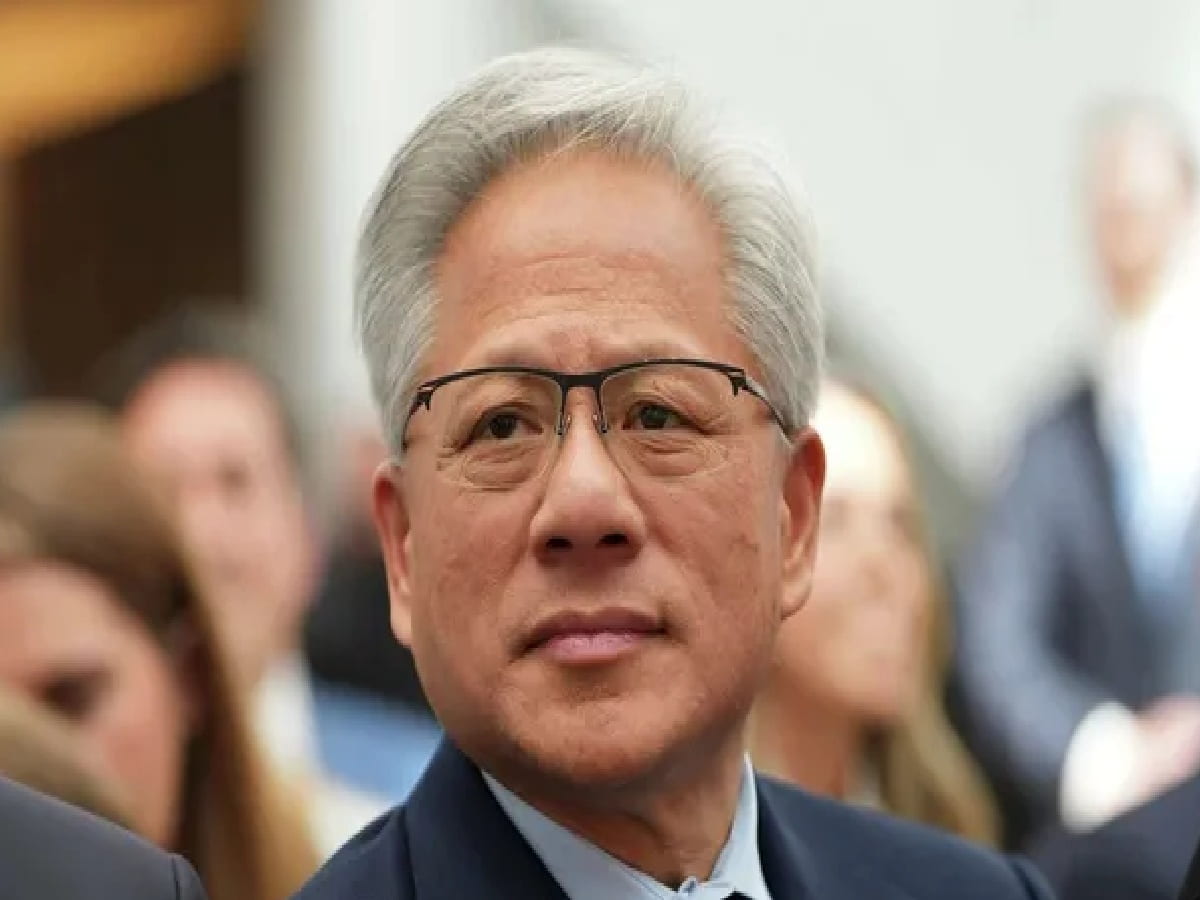
Nvidia Board Rules Out Jensen Huang Return Despite $115.8B Q3 Surge
Artificial intelligence semiconductor powerhouse Nvidia has firmly shut the door on a leadership comeback for its co-founder Jensen Huang, declaring that its board of directors has no intention of reinstating him as chief executive officer. Addressing analysts at the outset of Nvidia's quarterly earnings call on Tuesday, November 17, 2026, newly appointed Board Chairman Harvey Jones stated unequivocally that directors had unanimously accepted Huang's resignation and are proceeding with a formal search covering both internal and external candidates for a permanent successor. The definitive pronouncement came just hours after Huang—who stepped down on November 12 following revelations of an extramarital relationship with Alice Huang, an executive at Singapore-based cloud firm Megaspeed scrutinized by U.S. authorities over alleged Chinese intelligence ties, alongside two other workplace relationships—broke his public silence on social media platform X. In that message, Huang acknowledged making "serious mistakes" in his personal life while stating he would be "honored" to return as CEO if the board believed it served the best interests of Nvidia, its shareholders, employees, and the United States. His potential reinstatement had attracted high-profile endorsements from U.S. President Donald Trump—who remarked on Monday that Huang had "learned a big lesson" and that he "would certainly not mind" if directors brought him back—as well as Tesla and SpaceX CEO Elon Musk and an online petition signed by current and former employees, investors, and Silicon Valley figures. Yet even as governance drama swirled around Santa Clara, Nvidia delivered blockbuster third-quarter FY2027 financial results under interim CEO and longtime CFO Colette Kress: quarterly revenue more than doubled to $115.8 billion (up 103% year-on-year from $57 billion), net income surged 105% to $65.3 billion, and fourth-quarter revenue was projected at $130 billion, sending Nvidia shares higher in after-hours trading. For technology leaders, equity investors, engineers, and readers across New Delhi, Bengaluru, Hyderabad, Mumbai, Pune, Chennai, Lucknow, and Silicon Valley, Tuesday's twin announcements underscore Nvidia's determination to separate institutional governance from operational momentum.
Nvidia's Blockbuster Q3 FY2027 Financial Results and Leadership Transition
Even without its longtime co-founder at the podium, Nvidia demonstrated commanding demand for its AI computing infrastructure during the quarter ended October 25, 2026, while formalizing boardroom oversight and succession plans:
| Metric / Governance Dimension | Verified Q3 FY2027 & Board Details (Nov 17, 2026) | Market & Institutional Significance |
| Total Quarterly Revenue | $115.8 billion (up 103% year-on-year from $57 billion, and up 20% sequentially from $96.2 billion) | Surpassed Wall Street consensus estimates (~$116B mark) despite leadership turbulence. |
| Data Center & Edge Revenue | Data Center: $107.6 billion (up 110% YoY); Edge Computing: $8.2 billion (up 42% YoY) | Driven by relentless global AI infrastructure buildouts, Blackwell workstation demand, and Physical AI deployments. |
| Net Income, EPS & Q4 Guidance | Net Income: $65.3 billion (up 105% YoY); Diluted EPS: $2.70 (vs. $2.48 est.); Q4 Outlook: $130 billion (±3%) | Reassured Wall Street that commercial execution remains intact, lifting shares in after-hours trading. |
| CEO Succession & Board Decision | Chairman Harvey Jones confirmed the board unanimously accepted Huang's Nov 12 resignation and will not reinstate him. | CFO Colette Kress continues as interim CEO while the board evaluates internal and external candidates for permanent CEO. |
Why Nvidia's Board Rejected Pressure From Trump, Musk, and Petitions
The campaign to reinstate Huang gained rapid momentum over the past week, fueled by an online petition questioning whether due process had been followed, vocal support from Elon Musk, and remarks from President Donald Trump praising Huang's contributions. Huang himself amplified those calls earlier on Tuesday, citing an "outpouring" of support from customers, partners, and staff.
However, Nvidia's board of directors concluded that reversing course would expose the company to severe governance, legal, and national-security risks. Alongside disclosures of workplace conduct breaching company standards—including a relationship with a direct report, Healthcare VP Kimberly Powell, and with Megaspeed executive Alice Huang—Nvidia faces active federal scrutiny in Washington: the Department of Justice is probing Megaspeed over alleged export-control violations involving AI chips diverted to China, the SEC is examining corporate disclosures, and Huang is scheduled to testify before three U.S. House committees on December 1, 2026. To reinforce compliance, the board also created a dedicated National Security and Export Control Oversight Committee.
'Business as Usual' Under Interim CEO Colette Kress
During Tuesday's earnings call, interim CEO Colette Kress emphasized that day-to-day operations remain "business as usual," praising Nvidia's engineering teams for sustaining unmatched innovation. By returning $28.1 billion to shareholders via buybacks and dividends in Q3 and projecting $130 billion in fourth-quarter sales, Nvidia signaled to global markets that its technological dominance is anchored in its broader organization rather than any single executive.




