







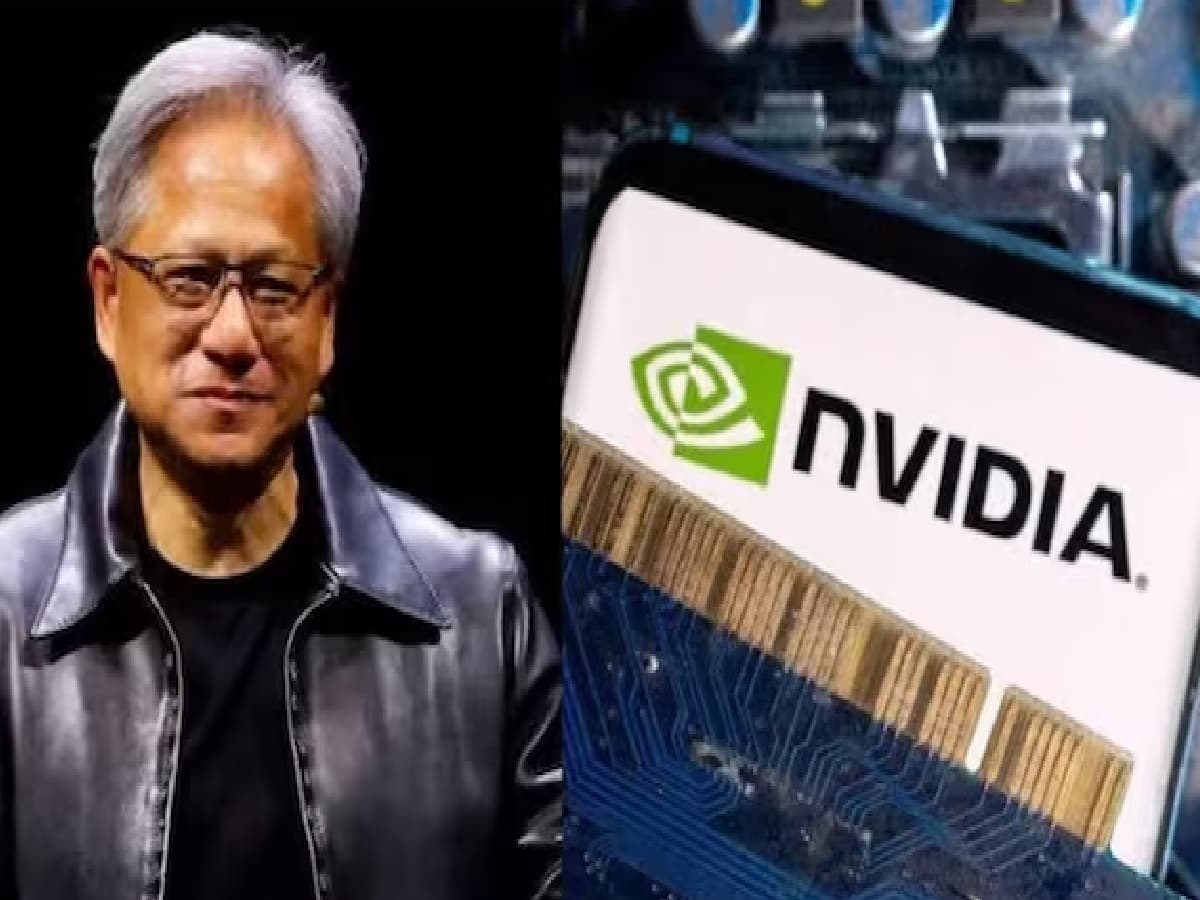
Nvidia Q3 Beats Estimates, Lifts FY28 Forecast; Huang Won't Return
Artificial intelligence semiconductor titan Nvidia shattered Wall Street expectations in its third-quarter FY2027 earnings report—its first financial scorecard since the abrupt exit of co-founder Jensen Huang last week—posting record quarterly revenue of $115.8 billion (up 103 percent year-on-year, surpassing analyst consensus estimates of $109.3 billion) and adjusted earnings per share of $2.68 (beating projections of $2.47). Simultaneously, the Santa Clara-based chipmaker raised its fiscal year 2028 revenue growth outlook from 70 percent to 75 percent, projected fourth-quarter revenue of approximately $130 billion (plus or minus 3 percent, ahead of Street estimates of $125.3 billion), and authorized an additional $150 billion share buyback program. Yet the blowout financial numbers shared the spotlight with decisive boardroom and balance-sheet disclosures: opening the earnings call, Nvidia Board Chairman Harvey Jones firmly ended days of intense market speculation by confirming that the board of directors has no intention of reinstating Jensen Huang as chief executive officer, leaving Chief Financial Officer Colette Kress in charge as interim CEO while executive search firm Heidrick & Struggles leads the hunt for a permanent successor. Spearheaded by a 110 percent surge in Data Center revenue to $107.6 billion—exceeding market forecasts of $101.9 billion and single-handedly surpassing the combined full-year revenues of rivals Intel and AMD—the quarter also marked the explosive debut of Nvidia's next-generation Vera Rubin platform, which generated $20 billion in its very first quarter. On the cost side, Nvidia disclosed that total multi-year supply and infrastructure spending commitments climbed from $366 billion to $518 billion year-on-year, largely driven by rising memory chip prices and long-term capacity reservations, while conservatively assuming zero Data Center compute revenue from China in its fourth-quarter guidance. Shares of Nvidia rose roughly 4 to 5 percent in extended after-hours trading following the announcement. For tech professionals, equity investors, AI developers, and market observers across New Delhi, Bengaluru, Hyderabad, Mumbai, Pune, Chennai, Lucknow, and Silicon Valley, Nvidia's results prove that global AI infrastructure demand continues to accelerate even through a historic leadership transition.
Nvidia Q3 FY2027 Scorecard: Revenue, Guidance, and Balance Sheet Commitments
Delivered under interim CEO Colette Kress for the fiscal quarter ended October 25, 2026, Nvidia's financial performance demonstrated both extraordinary top-line scale and rising capital commitments:
| Financial / Operational Metric | Q3 FY2027 Reported / Guided Figure | Market Estimate / Prior Comparison & Key Context |
| Total Quarterly Revenue | $115.8 billion (+103% YoY; +20% QoQ) | Beat consensus estimate of $109.3 billion; 17th straight quarterly beat above midpoint guidance. |
| Earnings Per Share (EPS) | $2.68 (Non-GAAP) / $2.70 (GAAP diluted) | Surpassed Wall Street forecast of $2.47 per share; GAAP net income doubled (+105%) to $65.3 billion. |
| Data Center Segment Revenue | $107.6 billion (+110% YoY; 93% of total sales) | Beat estimate of $101.9 billion; single-quarter sales topped Intel and AMD's combined annual revenue. |
| Q4 FY27 & FY2028 Revenue Outlook | Q4 FY27: ~$130.0 billion (±3%); FY2028 Growth: ~75% YoY | Q4 guide topped $125.3B consensus (assumes zero China compute sales); FY28 growth raised from 70% to 75%. |
| Spending Commitments & Buybacks | Commitments: $518 billion (up from $366B YoY); New Buyback: +$150 billion | Supply orders rose to $390B amid higher memory costs; total remaining buyback capacity reached ~$227.3B. |
Vera Rubin's Explosive $20 Billion Debut and Customer Concentration
Addressing analysts during her inaugural earnings call as interim chief executive, Colette Kress described the rollout of the next-generation Vera Rubin architecture as the fastest product ramp in Nvidia's history, already tallying $20 billion in third-quarter revenue across major cloud providers including Microsoft Azure, Google Cloud, Oracle Cloud Infrastructure, CoreWeave, and Nebius. Backed by a $2.5 trillion broader cloud industry backlog and plunging AI inference token costs—down nearly 60 percent since May as agentic AI workloads surge—Kress expressed confidence that Nvidia's multi-year product roadmap (including Vera Rubin Ultra next year and Feynman in 2028) remains firmly on schedule.
At the same time, financial disclosures highlighted significant customer concentration and soaring supply-chain outlays: four major customers accounted for 47 percent of Nvidia's total quarterly revenue, while frontier AI model labs such as OpenAI and Anthropic are projected to contribute roughly 15 percent of Data Center sales this year. To lock in high-bandwidth memory and wafer capacity through mid-2029 amid rising memory component costs, Nvidia expanded its total supply and infrastructure commitments from $366 billion to $518 billion year-on-year.
Governance Clarity: Board Rules Out Huang Return, Forms Security Panel
Beyond numbers, Wall Street closely watched how Nvidia is navigating the governance fallout from Jensen Huang's November 12 departure. By stating unequivocally at the start of the call that the board will not reinstate Huang—and establishing a standing National Security and Export Control Oversight Committee—Chairman Harvey Jones signaled institutional stability and regulatory rigor. With $227.3 billion in total share repurchase authorization and a 75 percent FY2028 revenue growth target, Nvidia reassured investors that its commercial engine remains intact under interim leadership.




