'Nuclear Bombs Religiously Illegal': Iran Ready For UN Inspections, Says President Pezeshkian
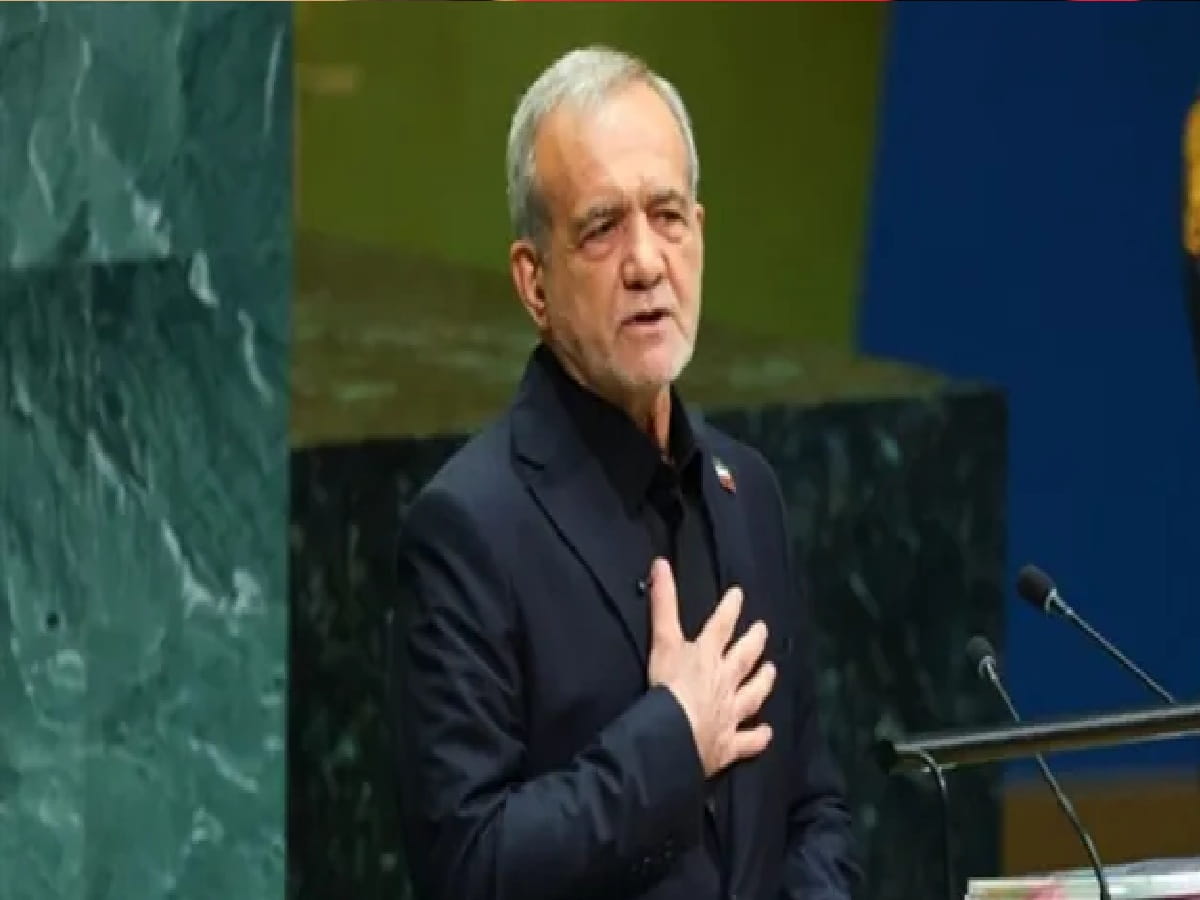
Amid soaring diplomatic friction and intense global scrutiny, Iranian President Masoud Pezeshkian has unequivocally denied that Tehran harbors any ambitions to manufacture nuclear weapons. Speaking during an interview with Fox News on the sidelines of the United Nations General Assembly (UNGA) annual session in New York, the Iranian head of state stated that his government remains prepared to accept rigorous international oversight. Pezeshkian affirmed that Tehran is willing to curtail its enriched uranium stockpiles to de-escalate confrontation and rebuild verified diplomatic trust.
Religious Prohibition and Fatwa Against Weapons of Mass Destruction
Addressing direct queries regarding Iran's nuclear trajectory, President Pezeshkian rejected weaponization claims, invoking the supreme religious decrees governing the Islamic Republic's state doctrine. He underlined that the nation's spiritual leadership, including Ayatollah Ali Khamenei, has consistently declared the production, stockpiling, and deployment of nuclear arms completely forbidden under Islamic jurisprudence. Describing weapons of mass destruction as morally and religiously impermissible, Pezeshkian maintained that atomic technologies within Iran are structured solely around civilian energy generation and medical isotopes.
Readiness for International Inspections and Uranium Depletion
Signaling an overture toward international watchdogs, Pezeshkian stated that Iran is prepared to open its sensitive facilities to full verification regimes and scale down its enriched uranium inventory. The Iranian President noted that adjusting uranium enrichment purity levels and granting comprehensive access to international teams represents a feasible compromise for his administration. He emphasized that Tehran does not seek to conceal its atomic installations, expressing complete readiness to collaborate under recognized technical oversight protocols.
Mounting Pressure From IAEA and the UN Security Council
The Iranian leader's conciliatory remarks come against the backdrop of heightened regulatory friction with the International Atomic Energy Agency (IAEA). The Vienna-based atomic watchdog recently reported critical verification gaps, noting it was unable to ascertain exact operational statuses across several Iranian enrichment facilities and material reserves. Consequently, on September 9, the IAEA Board of Governors escalated the dispute by referring the non-compliance assessment to the United Nations Security Council (UNSC), intensifying global diplomatic pressure on Tehran.
Blaming US Aggression While Emphasizing Defensive Posture
Turning his attention to geopolitical confrontations across the Middle East, Pezeshkian placed the responsibility for escalating friction squarely on the United States. He alleged that Washington continually bypassed diplomatic channels in favor of unilateral military strikes and economic pressure campaigns, compelling Tehran to mount defensive countermeasures to protect its sovereign territory. The Iranian President insisted that his military's actions were strictly reactive, underscoring that Tehran seeks no wider regional conflict or kinetic escalation.
Washington's Stance and the Push for Diplomatic Guardrails
Responding from Washington, US President Donald Trump reiterated that prohibiting Iran from developing or deploying a functional nuclear arsenal remains a non-negotiable foreign policy objective. While maintaining an uncompromising posture against an armed nuclear Tehran, Trump indicated that backchannel communications and negotiation frameworks between both administrations continue to operate. The US administration emphasized that while a comprehensive diplomatic settlement remains achievable through continued negotiations, Washington will maintain its red line against Iran crossing the nuclear threshold.