







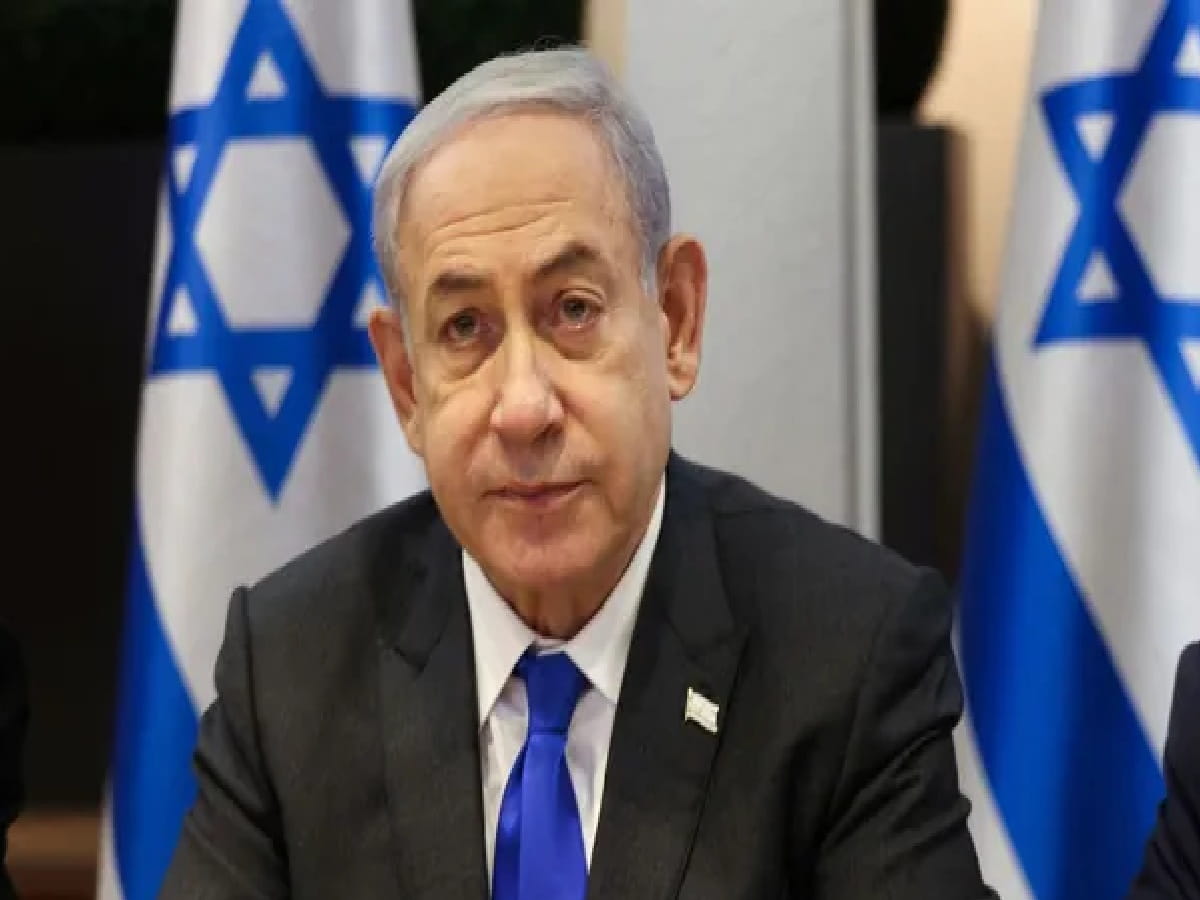
Netanyahu Coalition Falls Short of Majority with 50 Seats, Exit Polls Project
Vote counting is underway across Israel following general elections on Wednesday, October 28, 2026, with early exit poll projections signaling another period of intense political uncertainty and parliamentary paralysis. Broadcaster exit polls released by major Israeli television networks reveal that long-serving Prime Minister Benjamin Netanyahu’s right-wing and religious coalition has failed to secure the definitive numbers required to govern independently, setting up an excruciatingly tight finish between the country’s competing political camps. Despite record voter turnout across diverse urban and regional voting precincts, the fragmented mandate indicates that neither the governing alliance nor the fractured opposition holds an immediate, unobstructed path to forming a viable administration, triggering intense backchannel speculation regarding potential power-sharing arrangements or protracted coalition bargaining in Jerusalem.
The 61-Seat Knesset Math: Likud Remains Largest Party but Right-Wing Bloc Stalls at 50
Under the Israeli electoral system, any prospective prime minister must assemble a working majority of at least 61 seats in the 120-member Knesset to establish a stable government. Television network projections indicate that Benjamin Netanyahu’s Likud party is slated to remain the single largest parliamentary faction, securing an estimated 24 to 25 seats. However, even with the combined support of its traditional ultra-Orthodox and far-right nationalist allies, the broader Netanyahu-led conservative bloc is projected to capture only around 50 seats, leaving it significantly adrift of the governing threshold. The numbers reflect a deeply divided electorate where right-wing consolidation was offset by high mobilization among centrist and progressive voters, blunting the ruling alliance's bid for an outright legislative mandate.
Opposition Edges Ahead Under Gadi Eisenkot as 600,000 Double Envelopes Hold the Balance
On the other side of the political spectrum, the opposition alliance spearheaded by former military chief Gadi Eisenkot has made notable inroads, with exit surveys projecting the anti-Netanyahu coalition to clinch between 52 and 53 seats. While outperforming the governing camp in preliminary counts, the opposition bloc also remains well short of the magic 61-seat figure on its own, leaving both sides in a tense stalemate. Election observers emphasize that the final arithmetic now hinges heavily on the verification of approximately 600,000 "double envelopes"—special provisional ballots cast by active-duty Israeli Defence Forces (IDF) soldiers, overseas diplomatic personnel, hospitalized patients, doctors, and essential healthcare workers stationed away from their home voting booths. While double-envelope tallies historically tilt toward mainstream conservative candidates, their final distribution is poised to decide marginal seat allocations and determine whether Israel can stitch together a governing majority or faces yet another cycle of constitutional deadlock.




