







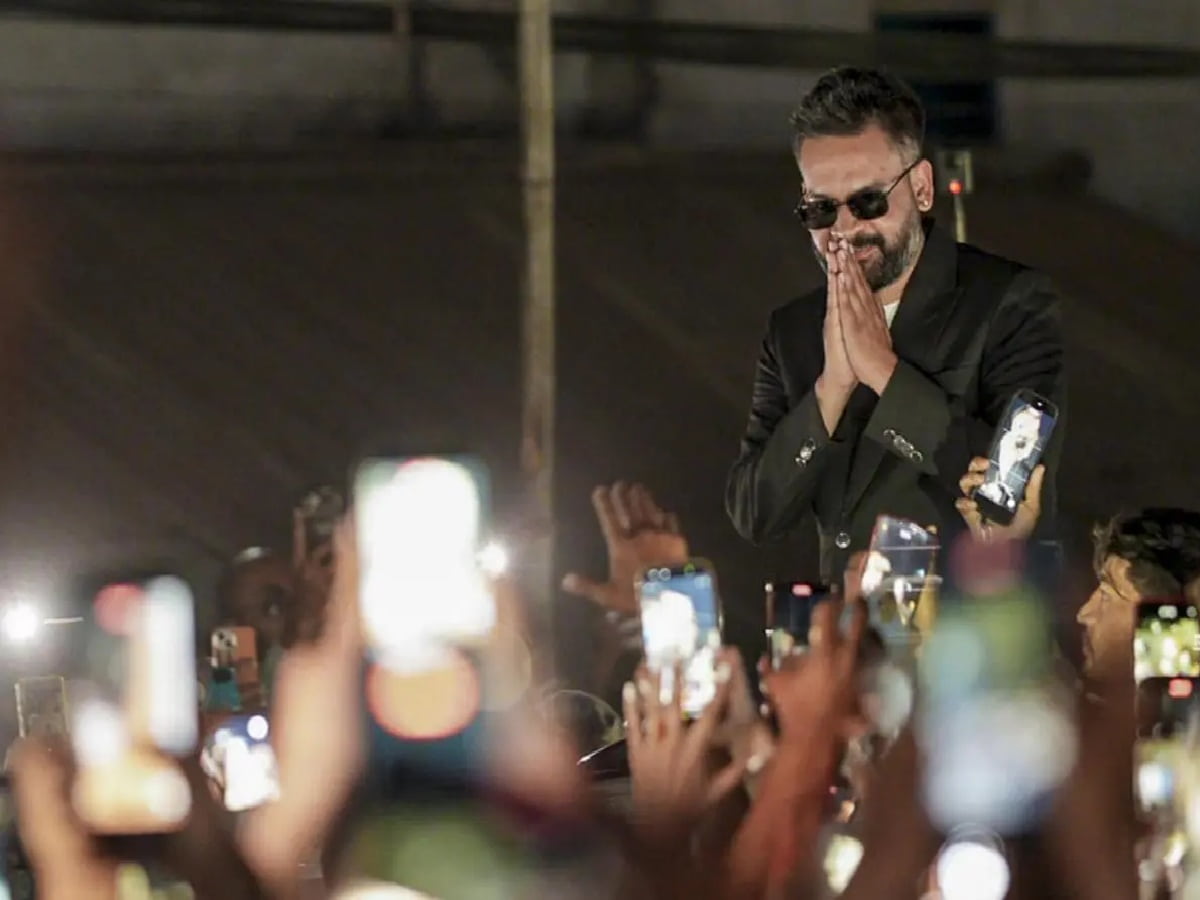
Nepal PM Balendra Shah to Visit India on Nov 22; Connectivity on Agenda
Diplomatic preparations are in full swing in both Kathmandu and New Delhi ahead of Nepal Prime Minister Balendra Shah's maiden official bilateral visit to India, scheduled to begin on Sunday, November 22, 2026, at the invitation of Prime Minister Narendra Modi. While Nepal's Ministry of Foreign Affairs spokesperson Lok Bahadur Chhetri confirmed that officials are finalizing the formal schedule, agenda, and diplomatic protocols, high-level sources indicate that the 35-year-old Rastriya Swatantra Party (RSP) leader—who assumed office on March 27, 2026, roughly six months after the youth-led Gen-Z uprising brought down K.P. Sharma Oli's administration—is planning a compact, outcome-driven trip to New Delhi spanning November 22–23. Although Shah traveled to New York in September for the United Nations General Assembly, choosing New Delhi for his first bilateral trip restores a longstanding diplomatic convention between the two neighbors. According to foreign ministry and diplomatic sources, Kathmandu's core objective is to reset and elevate bilateral ties through concrete deliverables across cross-border rail, road, air, power, and digital connectivity, post-flood reconstruction funding, energy trade, and religious tourism. A centerpiece of the visit will take place on Monday, November 23, 2026, when Prime Minister Modi and Prime Minister Shah are scheduled to jointly inaugurate a landmark 604-kilometre weekly passenger train service linking Ayodhya Cantt in Uttar Pradesh with Janakpurdham in Nepal via Bihar. Simultaneously, Nepal will press New Delhi for grant assistance and concessional lines of credit to rebuild highways and dozens of bridges devastated by the catastrophic August 2026 Bhotekoshi River floods—which claimed at least 1,500 lives and left over 5,000 missing—while seeking additional cross-border air entry routes through Indian airspace to make the Pokhara International Airport and Gautam Buddha International Airport in Bhairahawa commercially viable. Accompanied by at least four cabinet ministers (covering Foreign Affairs, Finance, Infrastructure, Tourism & Civil Aviation, and Energy & Water Resources) alongside a business delegation, Shah's visit carries major significance for citizens, pilgrims, traders, and policymakers across Lucknow, Ayodhya, Gorakhpur, Varanasi, Patna, Sitamarhi, Raxaul, New Delhi, and Kathmandu.
Key Strategic, Economic, and Connectivity Priorities on Shah's India Agenda
Designed as a brisk, high-focus diplomatic engagement in New Delhi, Prime Minister Balendra Shah's bilateral talks with Prime Minister Narendra Modi center on five major pillars:
| Priority Area | Specific Proposals & Projects | Expected Bilateral Outcome |
| 1. Cross-Border Rail & Pilgrimage Connectivity | Joint launch of the 604-km Ayodhya Cantt–Janakpurdham weekly train on Nov 23, 2026 (via Mankapur, Basti, Gorakhpur, Narkatiaganj, Raxaul, Sitamarhi, Shisho, Madhubani, and Jaynagar); Kathmandu also seeks Indian grant aid to electrify a 28-km Nepali rail stretch. | Strengthens Ramayana Circuit pilgrimage and people-to-people mobility between Uttar Pradesh, Bihar, and Nepal; train departs Janakpurdham on Saturdays and returns from Ayodhya Cantt on Mondays. |
| 2. Airspace & International Airport Viability | Requesting additional cross-border air entry routes over Indian airspace (specifically near Mahendranagar and Bhairahawa). | Helps fully operationalize Nepal's Pokhara International Airport and Gautam Buddha International Airport (Bhairahawa) by cutting flight distances and fuel costs. |
| 3. Post-Disaster Reconstruction Aid | Seeking Indian grants and concessional loans following the August 2026 Bhotekoshi River floods (1,500+ dead, 5,000+ missing, dozens of bridges destroyed). | Accelerates rebuilding of strategic border highways, bridges, and damaged public infrastructure in northern and central Nepal. |
| 4. Energy, Pipelines & Border Infrastructure | Expanding power transmission lines, petroleum pipelines, Integrated Check Posts (ICPs), and optical fiber links alongside border security cooperation. | Boosts Nepal's hydropower exports to India, lowers fuel logistics costs, and streamlines bilateral trade clearance. |
| 5. Private Sector Investment & Trade | Business delegation accompanying Foreign, Finance, Infrastructure, Tourism, and Energy ministers to meet Indian industrialists. | Attracts Indian private capital into Nepali hydropower, agriculture, manufacturing, and hospitality sectors. |
Why the 604-Km Ayodhya–Janakpurdham Train Is a Symbolic and Economic Milestone
Approved by India's Ministry of Railways ahead of Shah's arrival, the new 18-coach weekly passenger train directly links Ayodhya—revered as the birthplace of Lord Ram—with Sitamarhi and Janakpurdham, sacred to Goddess Sita in the Ramayana tradition. Passing through 10 intermediate stations across eastern Uttar Pradesh and northern Bihar before crossing at Jaynagar into Nepal, the corridor is expected to transform religious tourism, student travel, and small-scale commerce across border districts.
Resetting India–Nepal Ties After Nepal's Gen-Z Political Transition
For New Delhi, welcoming Balendra Shah—a former Kathmandu mayor who swept to national power in March 2026 following last year's youth-driven political upheaval—offers an opportunity to build a pragmatic, development-first partnership with Nepal's new generation of leadership. By focusing tightly on tangible economic cooperation, flood recovery, power trade, and connectivity rather than prolonged ceremonial detours, both capitals aim to place India–Nepal relations on a steady, mutually beneficial footing.




