







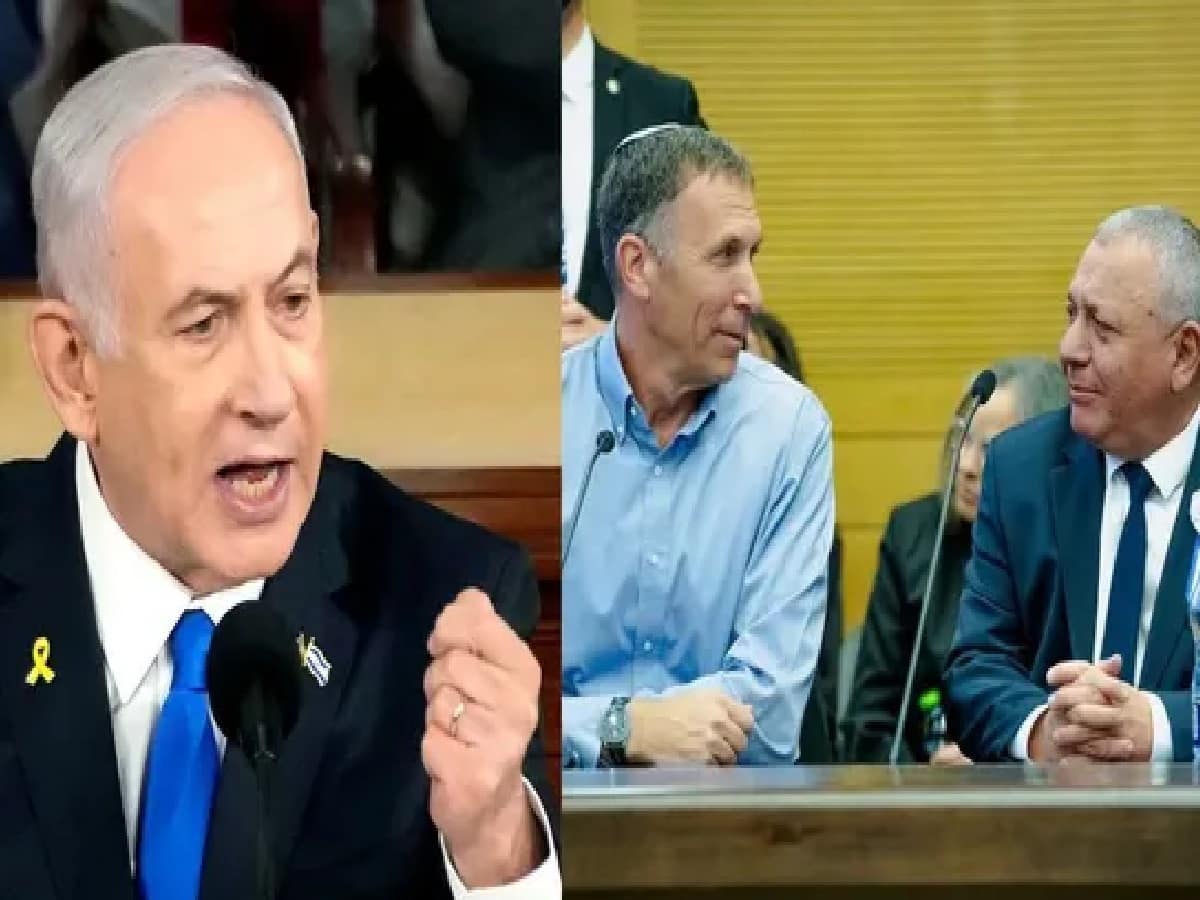
Matan Kahana Elected Knesset Speaker; Furious Netanyahu Slams Vote
In a dramatic late-night turning point in Israeli parliamentary politics, the 120-member Knesset voted 66 to 52 on Tuesday, November 17, 2026, to elect Matan Kahana—a 54-year-old former special forces commander, retired Air Force colonel, and lawmaker from Gadi Eisenkot's center-right Yashar party—as its new Speaker. Following a grueling six-hour filibuster mounted by outgoing Prime Minister Benjamin Netanyahu's right-wing bloc, lawmakers backed Kahana over Likud rival Ofir Katz, ousting Netanyahu loyalist Amir Ohana. The outcome represents a major institutional breakthrough for Gadi Eisenkot, whom President Isaac Herzog tasked on November 8 with attempting to form Israel's next governing coalition after the October 27 general election produced a hung parliament. Upon assuming the chair, Kahana pledged to serve as a speaker for all Israeli citizens regardless of religion, race, or gender, and vowed that parliament would "unequivocally abide by the rulings of the courts". Eisenkot hailed the vote as the dawn of a "new chapter" that will restore the Knesset as a genuine oversight body and "the house of the people, of all the people", while former prime ministers Naftali Bennett and Yair Lapid praised Kahana as an Israeli patriot capable of healing national divisions. Caretaker Prime Minister Benjamin Netanyahu, however, reacted with blistering fury, denouncing the vote in a Likud statement as a "shameful incident" and one of the lowest moments in the Knesset's history. Accusing Eisenkot, Bennett, and Avigdor Lieberman of abandoning national unity, Netanyahu alleged that the opposition secured the speaker's gavel through the votes of Arab lawmakers whom he labeled "insulters of the national anthem and supporters of terrorism". Because the Knesset Speaker controls the legislative timetable and committee agendas, Kahana's election equips Eisenkot's bloc to fast-track pivotal bills—including an independent state commission of inquiry into the October 7, 2023 Hamas attacks, prime ministerial term limits, and repealing judicial overhaul laws—even as coalition math remains razor-thin. For international relations analysts, diplomats, and readers across New Delhi, Lucknow, Mumbai, Bengaluru, Hyderabad, Kolkata, Jerusalem, and Washington D.C., the Knesset shake-up signals fierce legislative battles ahead in Israel.
Knesset Vote Breakdown and Balance of Power After Israel's Election
While securing the speakership hands the anti-Netanyahu bloc immediate control over parliamentary procedure, neither camp currently commands an outright 61-seat governing majority in the 120-member chamber:
| Political Bloc / Parliamentary Metric | Seat Count / Vote Tally | Key Leaders & Strategic Implications |
| Knesset Speaker Election Result (Nov 17, 2026) | 66 Votes for Matan Kahana (Yashar) vs. 52 Votes for Ofir Katz (Likud) | Kahana replaces outgoing Likud Speaker Amir Ohana after a 6-hour filibuster; Knesset also elected nine deputy speakers (38–15) across coalition and opposition factions. |
| Eisenkot-Led Opposition Bloc | 48 Seats in the 120-member Knesset | Led by Gadi Eisenkot (Yashar) alongside allies including Yair Lapid, Naftali Bennett, and Avigdor Lieberman; relies on external Arab party backing for floor votes. |
| Netanyahu-Led Right-Wing / Religious Bloc | 53 Seats in the 120-member Knesset | Led by caretaker PM Benjamin Netanyahu (Likud) with Haredi and far-right partners; remains in office as caretaker government until a new coalition is sworn in. |
| Arab Parliamentary Parties | 19 Seats in the 120-member Knesset | Includes Ra'am and the Joint List; backed Kahana for Speaker, holding the decisive balance of power over whether Eisenkot can assemble a 61-seat government. |
Why Controlling the Speaker's Gavel Matters for Israel's Legislative Agenda
In Israel's unicameral parliamentary system, the Speaker wields decisive authority over which bills reach the plenum floor, how quickly legislation advances through committees, and how parliamentary oversight is exercised. Political analysts note that even if coalition negotiations remain deadlocked, holding the speakership allows Matan Kahana and Gadi Eisenkot's allies to accelerate three flagship priorities within weeks:
-
October 7 State Commission of Inquiry: Establishing an independent, high-powered investigation into the intelligence, military, and political failures surrounding the October 7, 2023 Hamas attack.
-
Reversing the Judicial Overhaul: Rolling back controversial judicial restructuring legislation passed by Netanyahu's previous coalition that sought to increase political influence over judicial appointments.
-
Prime Ministerial Term Limits & Governance Rules: Advancing legislation restricting prime ministerial tenure and tightening ethical standards and checks and balances across Israel's branches of government.
Steep Road Ahead for Gadi Eisenkot's Coalition Talks
Despite Tuesday's parliamentary victory, Gadi Eisenkot faces a daunting arithmetic hurdle in forming a stable government. With his bloc holding 48 seats against Netanyahu's 53, Eisenkot cannot reach the 61-seat threshold without formal or external support from the 19 lawmakers belonging to Arab parties—a prospect complicated by resistance from right-leaning figures within his own camp. Netanyahu remains caretaker prime minister while Eisenkot's mandate runs; if coalition talks ultimately collapse, Israel could be headed toward yet another general election next year.




