







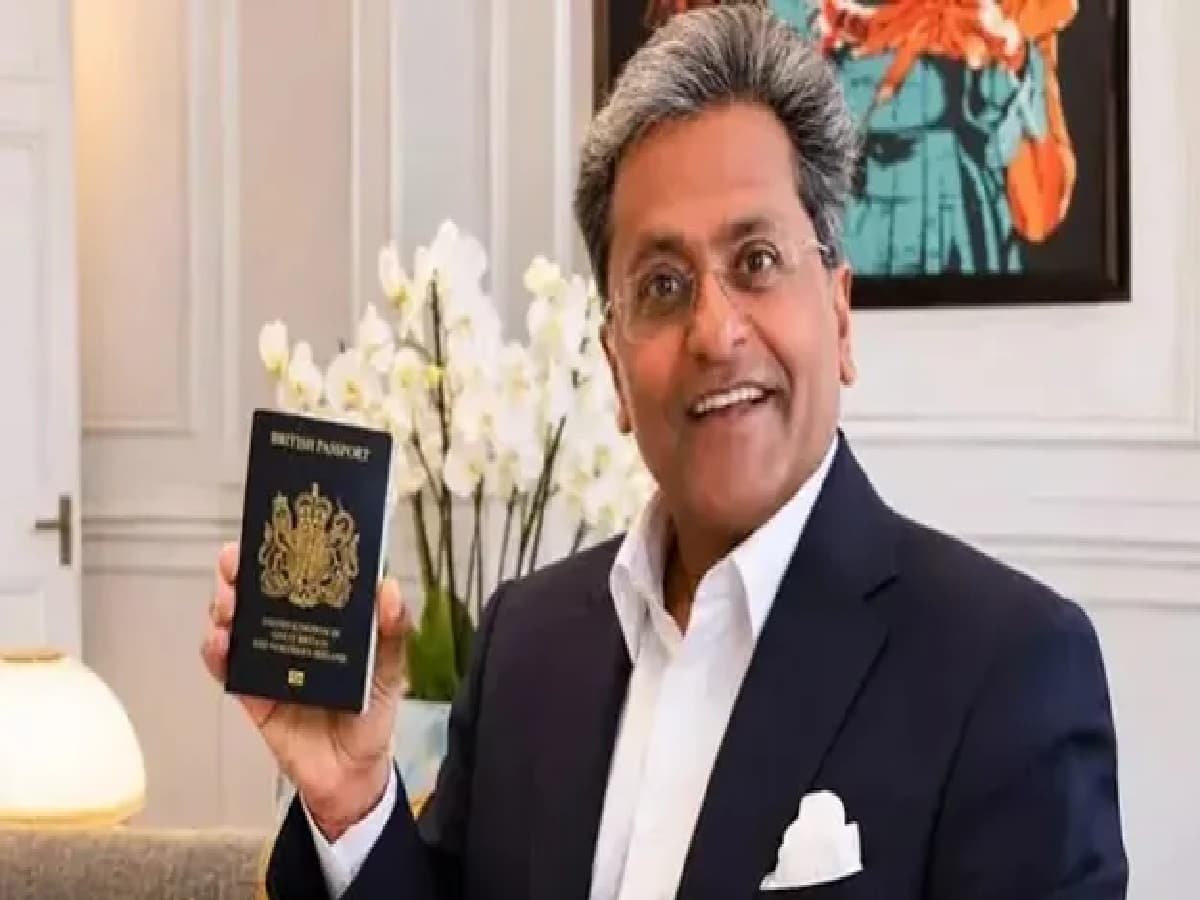
Left India Due to Underworld Threats, Not Cases: Lalit Modi on UK Move
Days after publicly announcing that he has formally acquired British citizenship, former Indian Premier League (IPL) founder and commissioner Lalit Modi has pushed back strongly against media reports characterizing him as a fugitive who fled India to evade criminal prosecution. In a detailed statement posted on social media platform X, Modi asserted that he left India in 2010 solely because of "credible threats" to his life from the underworld, departing three days after his armed police protection was abruptly withdrawn without prior notice. Emphasizing that no First Information Report (FIR) was registered against him at the time of his departure, the 62-year-old former cricket administrator warned that he intends to pursue legal action across relevant jurisdictions against organizations publishing what he termed "false and defamatory reports" regarding his exit from India and his new nationality. Modi—who shared his British citizenship milestone on November 14, 2026, following an address at the Oxford Union coinciding with King Charles III's birthday, after completing his UK naturalization formalities earlier this year—rejected speculation that acquiring a British passport was aimed at blocking extradition. According to Modi, no chargesheet or criminal prosecution has been filed against him in any Indian court in over 16 years, and Interpol has confirmed in writing that it holds no criminal diffusions or Red Notices against him. However, Indian enforcement records reflect a protracted regulatory and legal battle stretching back to 2010: the Board of Control for Cricket in India (BCCI) suspended Modi in April 2010 over alleged financial irregularities, bid-rigging, and proxy ownership linked to the IPL, while a Mumbai special court issued a non-bailable warrant against him in August 2015 after he repeatedly failed to respond to Enforcement Directorate (ED) summons in a Prevention of Money Laundering Act (PMLA) probe into IPL media-rights contracts. For sports followers, legal observers, and readers across New Delhi, Mumbai, Lucknow, Jaipur, Chennai, Bengaluru, Kolkata, and London, Modi's statement rekindles one of Indian cricket's most high-profile off-field controversies.
Lalit Modi's Claims vs. Indian Legal and Regulatory Record
While Lalit Modi maintains that his relocation to the United Kingdom in 2010 was driven by personal safety concerns and political-cricketing vendetta, Indian agencies have pursued financial and foreign-exchange investigations for over a decade. The table below contrasts Modi's latest assertions with the documented legal timeline:
| Dimension / Issue | Lalit Modi's Statement on X (Nov 2026) | Documented Legal & Regulatory Background |
| Reason for Leaving India (2010) | Stated he left due to credible underworld death threats, three days after Mumbai Police armed security was withdrawn without notice, citing central intelligence threat inputs. | Departed India in May 2010 shortly after the BCCI suspended him over alleged financial improprieties, governance breaches, and irregular franchise dealings in the IPL. |
| FIRs & Criminal Charges | Claimed no FIR existed when he left, no chargesheet has been filed in 16+ years, and a Chennai FIR registered in October 2010 on then-BCCI Secretary N. Srinivasan's complaint was pure vendetta. | Enforcement Directorate (ED) investigated alleged FEMA violations and money laundering (PMLA) in IPL broadcast deals; a special court issued a non-bailable warrant in 2015 over non-appearance. |
| Passport & British Citizenship | Noted the Delhi High Court restored his revoked Indian passport in 2014, and confirmed he obtained British citizenship in 2026 after residing in the UK for 16 years without seeking immunity. | Applied to surrender his Indian passport at the Indian High Commission in London in 2025; legal experts note UK citizenship bars immigration deportation, leaving formal extradition under the 1992 India–UK treaty as India's primary legal avenue. |
| Interpol & Extradition Status | Asserted Interpol confirmed in writing that no criminal alert notices exist against him and threatened defamation suits against Indian media outlets. | Interpol had previously declined India's Red Notice request in 2017; Indian agencies have maintained periodic diplomatic and legal follow-ups regarding economic offenses. |
Inside Modi's Defense: Security Withdrawal and the BCCI Conflict-of-Interest Dispute
In his post on X, Modi argued that the Additional Commissioner of the Mumbai Police had confirmed in a letter to the Enforcement Directorate that his armed security cover had originally been granted based on central intelligence inputs regarding threats to his life. He contended that only after that security detail was abruptly removed without warning did he travel to London.
Modi further maintained that the October 2010 Chennai police complaint filed by then-BCCI Secretary N. Srinivasan was retaliation for Modi raising objections over Srinivasan's simultaneous roles as a BCCI office-bearer, IPL Governing Council member, and owner of the Chennai Super Kings—a conflict of interest later upheld by the Supreme Court of India in January 2015.
What British Citizenship Means for India's Legal Options
Legal analysts in New Delhi point out that acquiring British nationality does not automatically confer legal immunity from prosecution or block extradition under the 1992 India–UK Extradition Treaty. However, because a British citizen cannot simply be deported to India on grounds of visa expiry or passport revocation, any effort by Indian authorities to compel Modi's return would require a formal extradition request backed by admissible court-tested evidence. By threatening defamation proceedings against media houses, Modi has signaled an aggressive public-relations and legal push to reshape the narrative surrounding his 16-year stay in London.




