







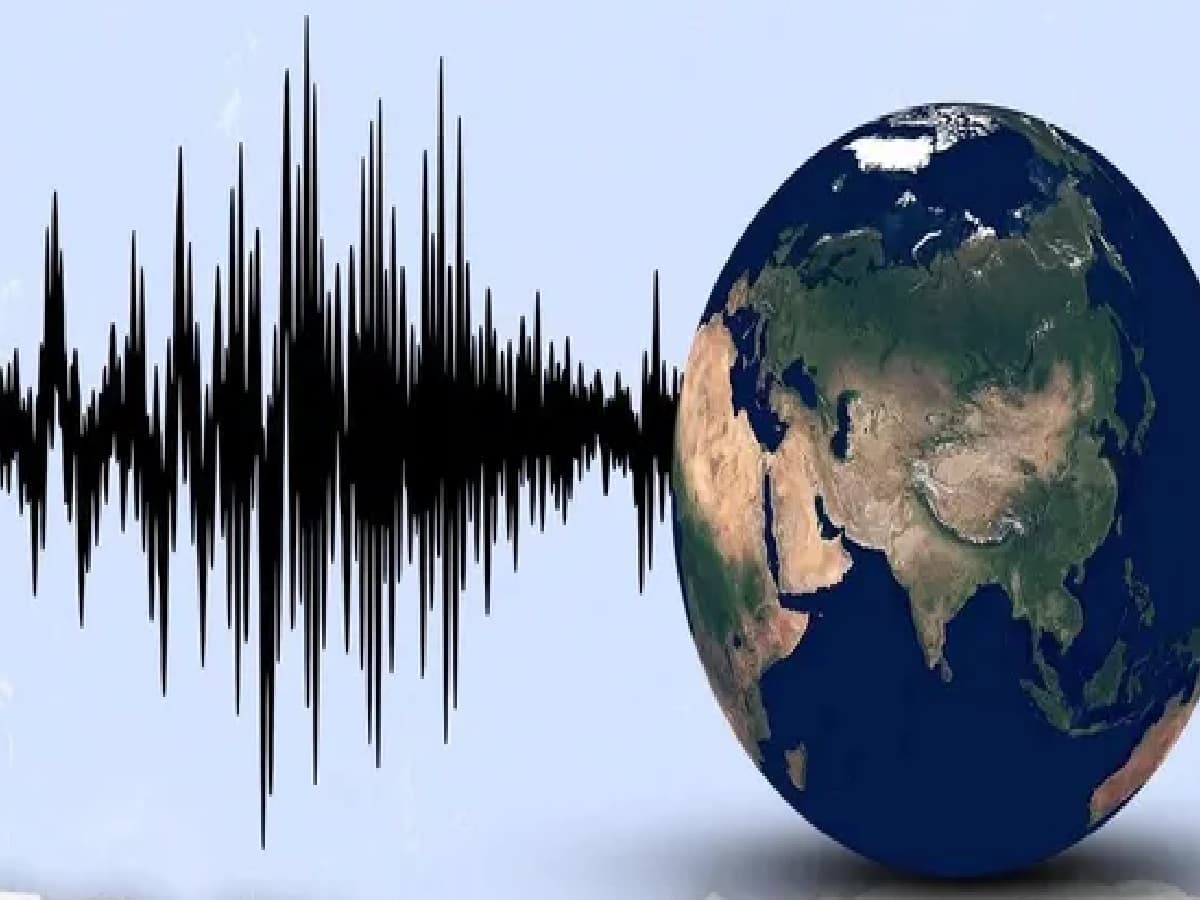
Japan Weather Agency Sparks Panic with False 9.9 Magnitude Earthquake Warning
Moments of intense alarm rippled across emergency monitoring networks early Friday, October 16, 2026, after Japan's weather agency erroneously broadcasted an emergency bulletin warning of a catastrophic magnitude 9.9 mega-earthquake. The actual seismic event was a strong magnitude 6.9 tremor that struck off the southern coast of Russia’s Kamchatka Peninsula near the coastal settlement of Ozernovsky, with vibrations traveling across the Sea of Okhotsk to rattle high-rises in the northern Japanese port city of Hakodate. Realizing the critical data discrepancy, the Japan Meteorological Agency acted swiftly to withdraw the automated bulletin and issue an immediate clarification confirming the actual magnitude of 6.9, averting widespread panic in a nation acutely attuned to high-level seismic threats.
The Physics of Magnitude 9.9: Unleashing 32,000 Times More Kinetic Energy
While the erroneous alert was swiftly corrected, seismologists and hazard response teams highlighted the sheer apocalyptic scale that a genuine 9.9 magnitude event would represent. Under the moment magnitude scale utilized by global geological monitoring services including the United States Geological Survey (USGS), earthquake intensity escalates logarithmically, tied directly to the physical rupture area and slip displacement along a tectonic fault line. Calculating the logarithmic power curve reveals that a theoretical 9.9 megathrust earthquake would liberate roughly 32,000 times more destructive energy than the actual 6.9 Kamchatka event. Experts emphasize that an event of that magnitude would rupture thousands of kilometers of planetary fault lines simultaneously, triggering catastrophic crustal deformation and oceanic mega-tsunamis capable of leveling coastal continents far beyond anything observed in modern human history.
Historical Precedents: From the 1960 Valdivia Cataclysm to the 2011 Tohoku Disaster
Had the initial warning been accurate, it would have stood as the most violent earthquake ever recorded on Earth. Scientific records show that the strongest measured seismic event remains the 1960 Great Chilean Earthquake near Valdivia, which registered a magnitude of 9.5, leaving more than two million people displaced and claiming over 1,655 lives. North America experienced its most potent event during the 1964 Great Alaska Earthquake, where a magnitude 9.2 tremor shook the ground for nearly five minutes and claimed 131 lives. In more recent memory, the 2004 Indian Ocean earthquake off Sumatra registered at magnitude 9.1, unleashing catastrophic tsunamis that claimed over 250,000 lives across multiple nations, while the devastating 2011 Tohoku earthquake off Japan’s northeast coast, measuring magnitude 9.1, triggered towering tsunami waves, damaged the Fukushima Daiichi nuclear facility, and resulted in thousands of casualties. While Friday’s Kamchatka tremor concluded without severe regional devastation, the fleeting 9.9 alert served as a stark reminder of the immense tectonic forces that surround the Pacific Ring of Fire.




