







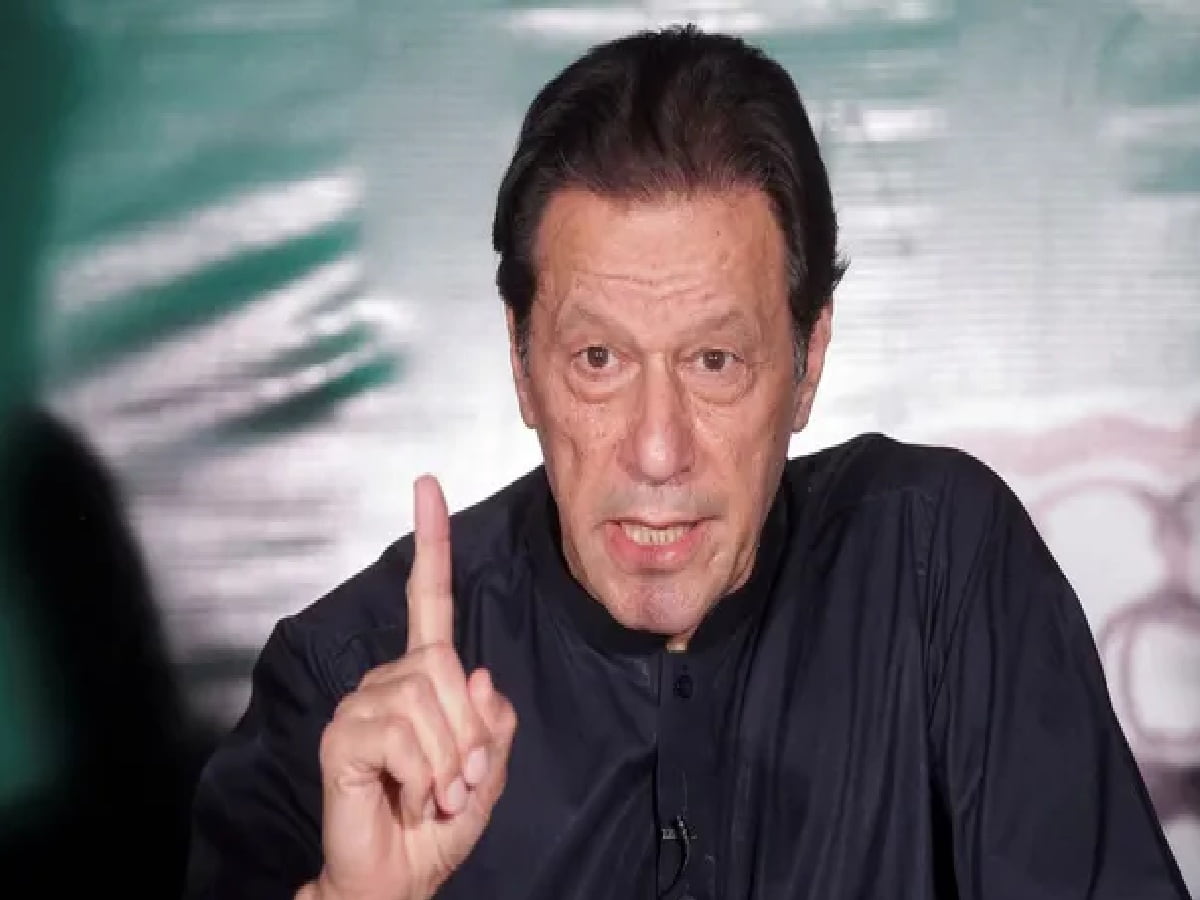
Jailed Ex-PM Imran Khan Treated at Islamabad Hospital at Midnight
Pakistan’s jailed former Prime Minister Imran Khan was quietly transported under heavy security from Rawalpindi’s Adiala Jail to a government hospital in Islamabad at midnight for an urgent ophthalmic examination and follow-up eye treatment. The 74-year-old founder of the Pakistan Tehreek-e-Insaf (PTI), who has remained behind bars since August 2023 while facing more than 100 legal cases ranging from corruption to inciting violence, was brought to the Pakistan Institute of Medical Sciences (PIMS) late at night following advice from his eye specialists. According to hospital officials, doctors conducted a comprehensive ocular and general medical evaluation before administering targeted treatment for a serious condition affecting his right eye. After remaining under close clinical observation for several hours, the former cricket star-turned-politician was discharged at approximately 2:30 AM and escorted back to his prison cell under a tight security cordon, even as his family and party leaders renewed demands for his transfer to a private medical facility.
Midnight Transfer to PIMS: Inside the Tight-Security Hospital Visit
The covert late-night transfer between November 10 and November 11 unfolded amid strict security arrangements along the twin-city corridor connecting Rawalpindi and the federal capital of Islamabad. Prison and law enforcement authorities opted for post-midnight movement to prevent crowds of PTI supporters from gathering outside hospital gates, a recurring flashpoint whenever the former premier is moved outside prison walls. Upon his arrival at the Pakistan Institute of Medical Sciences, a multidisciplinary medical team examined Khan’s vital parameters, evaluated fluctuations in his blood pressure, and performed a detailed assessment of his right eye.
Quoting a senior PIMS official, Pakistan’s Dawn newspaper reported that Khan’s vital health indicators were within normal limits and that his routine physical examination revealed no acute systemic alarm. Following the preliminary screening, specialist ophthalmologists administered an intravitreal anti-VEGF injection directly into his right eye as part of an ongoing therapeutic protocol. Hospital authorities stated that the former prime minister remained clinically stable before, during, and after the delicate procedure. Once post-procedure monitoring concluded, physicians cleared him for discharge around 2:30 AM, issuing detailed instructions to jail medical staff regarding medication schedules, ocular hygiene, and follow-up monitoring before his return convoy departed for Adiala Jail.
Right Eye Condition Explained: Central Retinal Vein Occlusion
Imran Khan’s midnight hospital visit marks the latest chapter in a prolonged ophthalmic battle that first came to light in January 2026, when the incarcerated leader complained of significant blurring and partial vision loss in his right eye. Subsequent specialist evaluations diagnosed him with right central retinal vein occlusion (CRVO), a serious vascular eye disorder in which the primary vein responsible for draining blood from the retina becomes blocked. When venous drainage is obstructed, fluid and blood accumulate within retinal tissues, triggering macular swelling that can lead to permanent visual impairment if not managed through timely, repeated intravitreal injections.
Since receiving his initial ocular injection in January, Khan has required periodic specialist reviews and follow-up doses to stabilize his eyesight, including an earlier hospital visit in June. Beyond his vision troubles, prison medical reports and a previous PIMS specialist board review highlighted recurring complaints of headaches, palpitations, restlessness, and fluctuating blood pressure. That medical board had previously recommended daily one-hour walks in open air, access to books, newspapers, and television, as well as more regular meetings with his spouse and immediate family members to alleviate stress and help regulate his blood pressure.
PTI and Family Demand Private Care: Clash Over Shifa International
While government officials maintain that Khan’s eyesight has shown measurable improvement following treatment at PIMS, the midnight visit has reignited a fierce political and legal dispute between the PTI leadership and Prime Minister Shehbaz Sharif’s administration. Just a day prior to the hospital transfer, PTI Central Information Secretary Sheikh Waqas Akram sounded the alarm over Khan’s custodial health, claiming that the former premier’s blood pressure had spiked dangerously to 192 and accusing authorities of withholding transparent medical updates. In an official statement, the party insisted that Khan’s family, personal physicians, and legal team must be granted immediate, unrestricted access, calling transparent health reporting non-negotiable.
At the heart of the standoff is an August 18, 2026 directive issued by the Supreme Court of Pakistan, which ordered authorities to shift Khan to Islamabad’s private Shifa International Hospital for specialized evaluation and treatment under doctors of his choice. Despite the apex court’s order, the government has repeatedly taken Khan to state-run PIMS instead. Federal Information Minister Attaullah Tarar previously defended the decision by blaming security disruptions allegedly created by PTI workers outside private hospital premises, whereas PTI leaders have rejected that explanation and accused the government of deliberately defying judicial directives.
Broader Political Context: Custody Concerns and Qureshi's Hospitalisation
The midnight eye procedure comes at a sensitive political juncture in Pakistan, as concerns over the physical well-being of senior opposition figures deepen. Khan, who famously captained Pakistan to its sole Cricket World Cup triumph in 1992 and served as prime minister from 2018 until his ouster via a parliamentary no-confidence vote in April 2022, has now spent more than three years in custody. Although appellate courts have suspended or overturned nearly all of his earlier convictions pending final hearings, he remains imprisoned due to ongoing trials and detention orders in remaining cases that he maintains are politically motivated.
Adding to the opposition’s anxiety, Khan’s midnight hospital trip occurred just twenty-four hours after his longtime deputy and former Foreign Minister, 70-year-old Shah Mahmood Qureshi, was rushed to the Punjab Institute of Cardiology in Lahore after suffering a dizzy spell and collapsing inside his barrack at Kot Lakhpat Jail. With both of the party’s top leaders experiencing acute medical episodes in custody within days of each other, legal observers and human rights advocates in Islamabad emphasize that ensuring transparent, court-compliant healthcare access will remain vital to preventing further political volatility across Pakistan.




