







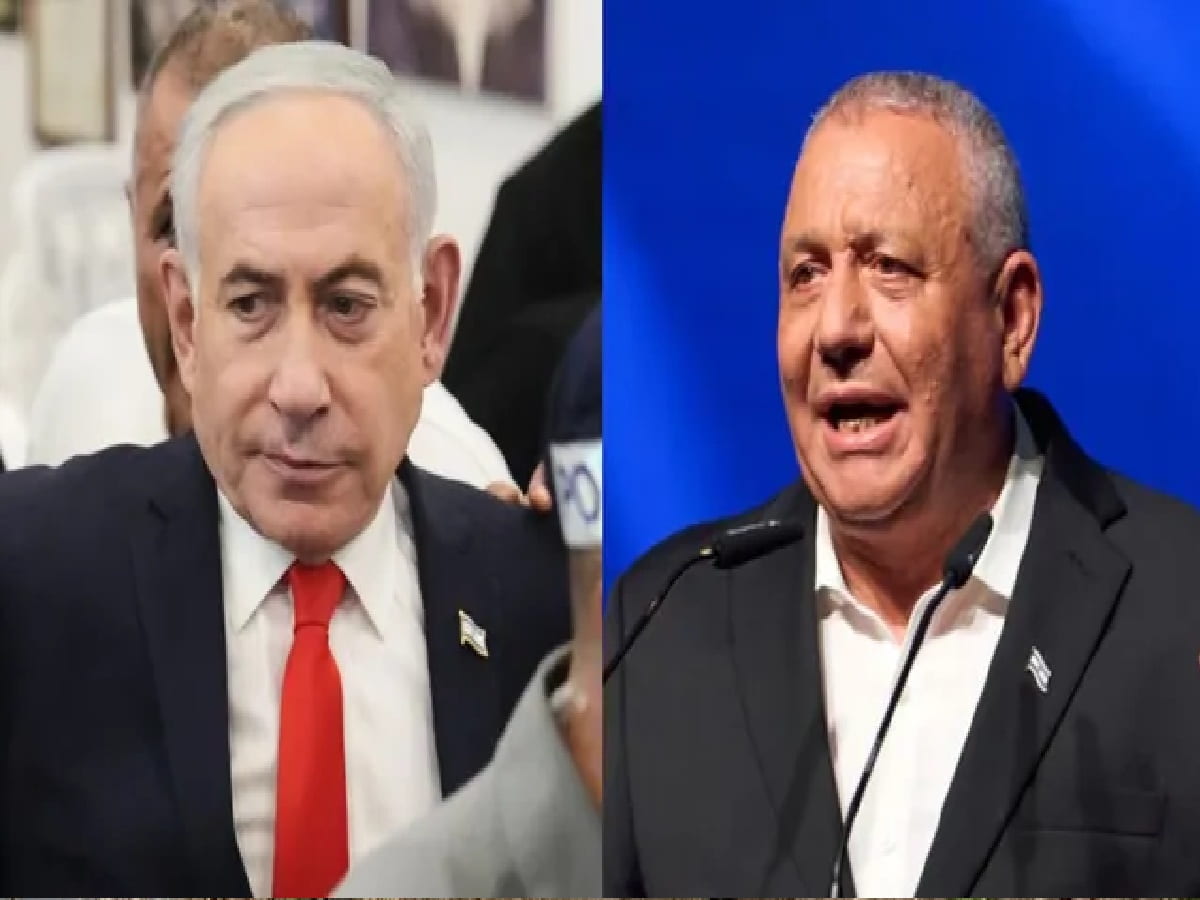
Israel Political Deadlock: Eisenkot Gives Netanyahu 24-Hour Ultimatum
Israel's post-election political deadlock has reached a decisive turning point in Jerusalem, with Prime Minister-designate and Yashar Party leader Gadi Eisenkot issuing a strict 24-hour ultimatum to caretaker Prime Minister Benjamin Netanyahu and his right-wing Likud party to demonstrate genuine commitment to coalition talks. The dramatic exchange unfolded after Netanyahu abruptly reversed course late Saturday evening, offering to form a national unity government under a rotating premiership in which former IDF Chief of Staff Eisenkot would serve first as Prime Minister while Netanyahu takes the role of Alternate Prime Minister. With Israel's initial 28-day constitutional deadline to assemble a ruling coalition expiring on December 6, 2026, Sunday's scheduled face-to-face meeting between the two rivals in Herzliya could determine whether Israel forms a broad unity cabinet or plunges toward renewed legislative paralysis.
Why Netanyahu Offered Eisenkot the First Turn as Prime Minister
Following Israel's inconclusive October 27 Knesset election—which left neither Netanyahu's right-wing bloc nor the opposition camp with the 61 seats required for an outright majority in the 120-member parliament—President Isaac Herzog formally entrusted Eisenkot on November 8 with the mandate to form the next government.
For more than two weeks, Netanyahu had resisted stepping aside from the top post. However, in a social media statement late Saturday, Israel's longest-serving premier announced that national security imperatives required him to set personal demands aside and accept serving second in a rotational unity government, allowing Eisenkot to take the helm first. Israeli media reports indicated that intense pressure from B'Yachad co-chair Naftali Bennett—who warned he would abandon unity efforts and sign directly with Eisenkot's bloc unless Netanyahu conceded the first rotation—played a pivotal role in forcing the compromise.
Eisenkot's 24-Hour Deadline and the December 6 Constitutional Clock
Responding swiftly to Netanyahu's proposal, Eisenkot invited Likud negotiators to prove their sincerity within a tight 24-hour window, leading both camps to schedule direct talks for Sunday morning in the coastal city of Herzliya.
-
Vow to meet the December 6 deadline: Eisenkot has pledged to announce a governing coalition before the statutory December 6 cutoff without requesting the optional 14-day extension permitted under Israeli law.
-
Frustration over stalled Likud drafts: In a public statement, Eisenkot noted that his negotiating team had already held five meetings with Likud representatives over the past two weeks without receiving a single concrete written draft addressing core national policies.
-
Key policy sticking points: Eisenkot's camp has pressed for clarity on establishing an independent state commission of inquiry into the October 7, 2023 security failures, universal national service rules, and excluding far-right factions from sensitive cabinet posts.
Coalition Arithmetic: Unity With Likud vs. Support From Arab Parties
| Potential Coalition Path | Key Participating Factions | Knesset Arithmetic & Political Hurdles |
| 1. National Unity Rotation | Yashar + Likud + B'Yachad (and allied centrist/right factions) | Easily clears 61-seat majority, but opposed by Eisenkot partners Yair Golan (Democrats) & Avigdor Liberman (Yisrael Beytenu), who refuse to sit with Netanyahu |
| 2. Anti-Netanyahu 'Change' Coalition | Yashar + Democrats + Yisrael Beytenu + B'Yachad + outside backing from Ra'am / Joint List | Yashar, Democrats & Yisrael Beytenu currently hold 36 seats; requires external backing from Arab-majority parties |
Eisenkot's coalition calculus highlights the sharp dilemma facing Israeli politics. While his Yashar party has already signed coalition deals with Yair Golan's left-leaning Democrats and Avigdor Liberman's right-wing Yisrael Beytenu—giving him 36 committed seats—reaching 61 requires either a unity deal with Likud or external parliamentary backing from Arab-Israeli factions. Notably, Ra'am chairman Mansour Abbas signaled on Saturday that his party could guarantee stability for an Eisenkot-led coalition and explicitly described Hamas as a terrorist organization to address conditions raised by Eisenkot's partners.
War of Words Between Likud and Opposition Leaders
Even as talks were scheduled, sharp rhetoric persisted on both sides. Eisenkot accused Likud of dragging out negotiations to sow division within the opposition bloc and push Israel toward another costly election. Conversely, Likud accused Eisenkot of playing a double political game by using unity discussions as cover while preparing to rely on Arab-majority parties to oust Netanyahu—while former prime minister Yair Lapid dismissed Netanyahu's rotation offer outright as "yet another transparent con".
With the 24-hour clock ticking and December 6 fast approaching, Sunday's talks in Herzliya represent a high-stakes test of whether Israel's rival leaders can forge a workable governing majority.




