Iraqi PM Meets Donald Trump Just Days After Attending Khamenei’s Funeral
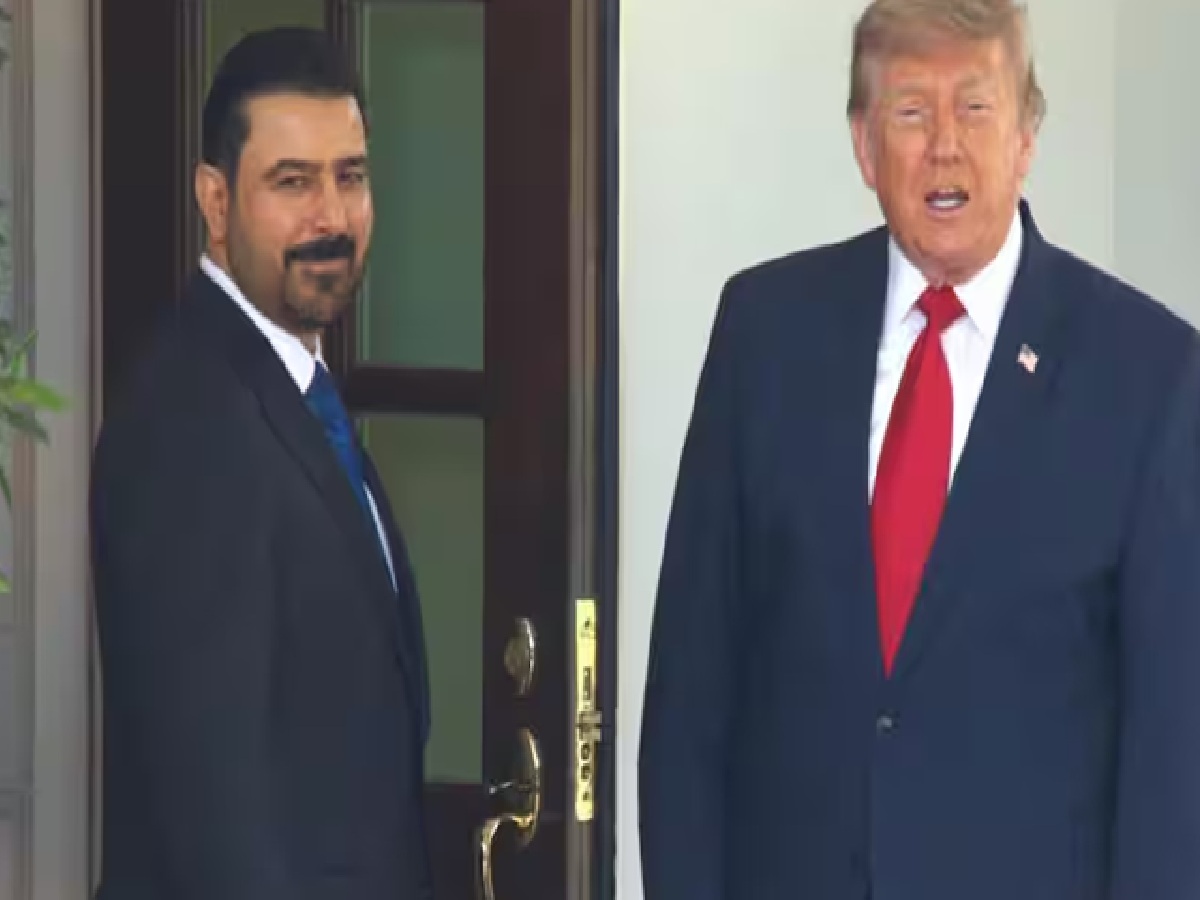
In a move that has sent shockwaves through Middle Eastern geopolitical circles, Iraqi Prime Minister Ali al-Zaidi has executed a dramatic diplomatic pivot. Barely a week after leading his government in an official tribute to the late Iranian Supreme Leader, Ayatollah Khamenei—whose funeral rites were conducted in the holy city of Najaf—al-Zaidi held a high-profile meeting with US President Donald Trump. This rapid shift from paying homage to Tehran’s leadership to engaging in high-level talks with Washington has left global analysts questioning Iraq’s true allegiances in the intensifying US-Iran conflict.
From Najaf to Washington: A Strategic Shift
The recent funeral ceremonies in Najaf saw al-Zaidi and top Iraqi religious leaders paying their final respects to Ayatollah Khamenei. The presence of the Iraqi leadership at the ceremony was widely viewed as a signal of Tehran's deep-rooted influence in Iraqi politics. However, the optics shifted drastically just days later when al-Zaidi sat down with President Trump. The US leader was effusive in his praise, hailing al-Zaidi as a "strong leader" who has rapidly changed Iraq’s trajectory and claiming to have played a pivotal role in the country’s recent transition of power.
A Potential Economic Powerhouse
Beyond the tactical politics, the dialogue between Baghdad and Washington is heavily centered on Iraq’s massive economic potential. President Trump highlighted Iraq’s vast oil reserves, signaling that both nations are on the verge of announcing significant energy-sector partnerships. Sources suggest that these upcoming deals could represent some of the most substantial investment agreements between the US and Iraq to date, potentially positioning Baghdad as a key energy partner for the West, even as it navigates the volatile shadow of Iranian influence.
Walking the Tightrope of a Regional War
The broader context remains fraught with danger. As the US and Iran continue to trade military strikes—with both sides claiming to have damaged the other's military bases and strategic assets—Iraq finds itself caught in the crossfire. Prime Minister al-Zaidi’s decision to engage the US while maintaining historical ties to Iran suggests a desperate attempt to maintain national sovereignty while preventing Iraq from becoming the primary theater for a full-scale regional war. Whether this delicate balancing act will hold as tensions escalate remains the defining question for the stability of the entire region.