







Iowa Explosion: EPA Finds No Lead in Drinking Water, Awaits Reports
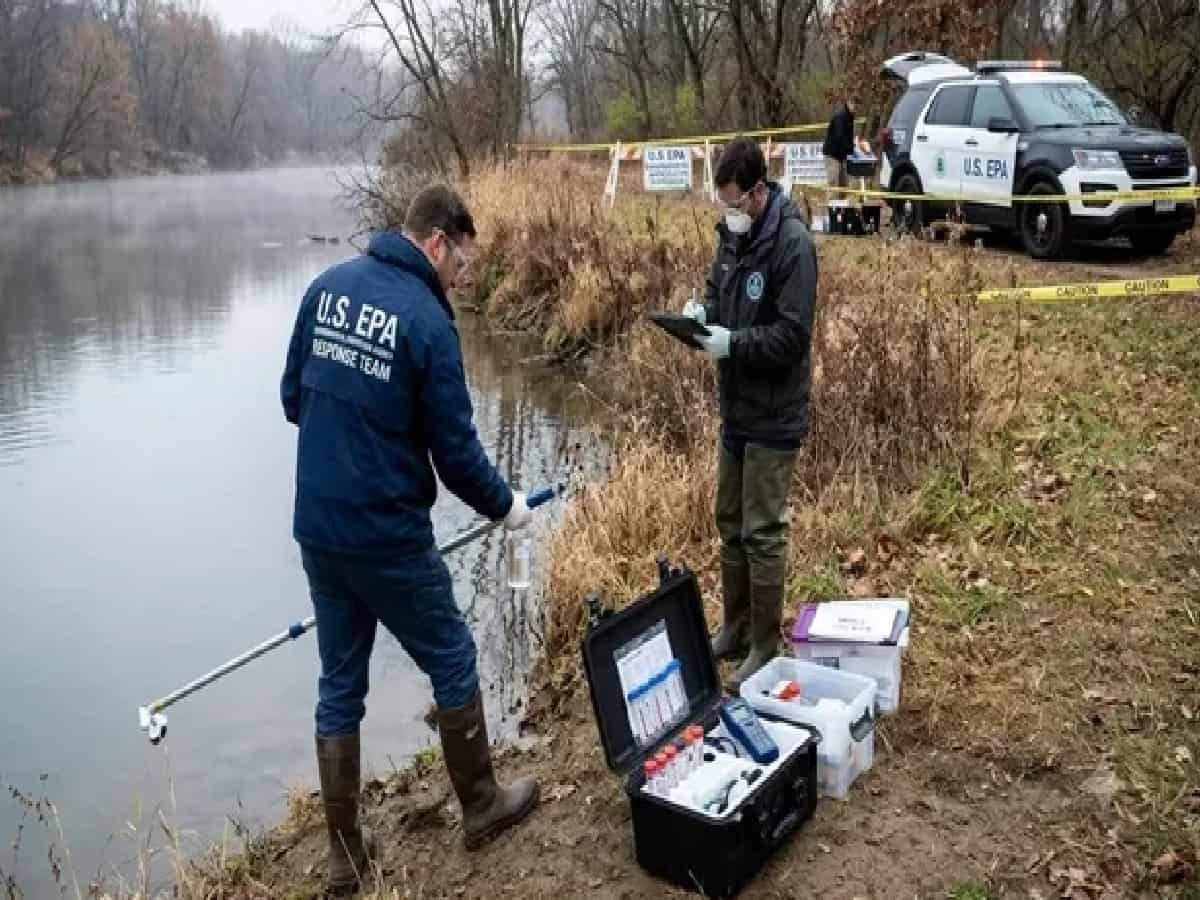
The US Environmental Protection Agency (EPA) announced on Saturday that initial laboratory tests show no evidence of lead contamination in public drinking water supplies following the US Army's controlled detonation of nearly five tonnes of degrading lead-based explosives in southeastern Iowa. Released three days after Wednesday's dual-blast operation at the Iowa Army Ammunition Plant in Middletown, Iowa, the preliminary findings confirm that none of the 38 drinking water samples analyzed so far—covering both fully treated municipal tap supplies and untreated raw water collected at treatment intake points—showed any detonation-related elevation in lead concentrations. While federal officials described the early water results as reassuring, the EPA emphasized that hundreds of additional soil, dust, tap-water, and surface samples remain under laboratory analysis.
What the EPA's Preliminary Water Testing Revealed
In its official update issued from Washington on Saturday, November 28, 2026, the EPA stated that post-detonation water testing confirmed Wednesday's operation "did not result in an elevation of lead in water bodies that serve as sources of drinking water". In addition to the 38 public drinking-water source samples—which were compared against pre-detonation baseline readings from regional waterways including the Mississippi River, Illinois River, and Mark Twain Lake—the agency noted that 26 non-potable water samples collected from area lakes and ponds likewise showed no detonation-associated lead spike.
However, environmental officials cautioned that these findings represent the first batch of validated laboratory results rather than a final environmental clearance. Agency teams have been dispatching samples to the EPA Region 7 laboratory in Kansas City, on-site mobile laboratories, and accredited private testing facilities, with validated datasets scheduled for public release on the agency's dedicated portal as results are verified.
More Than 1,600 Post-Blast Samples Collected Across 187 Properties
To evaluate potential fallout across communities near Middletown, Burlington, West Burlington, and Muscatine in southeastern Iowa as well as neighboring areas of Illinois and Missouri, an EPA field force of roughly 300 personnel and contractors collected more than 1,600 environmental samples of air, water, soil, and surface dust after the blast—matching a comparable baseline set gathered prior to the detonation.
-
187 homes and community buildings inspected: Sampling teams collected tap water, exterior soil cores, outdoor structural wipes, and interior dust swabs across 187 residences and public facilities, including schools, playgrounds, churches, and daycare centers.
-
Expanded soil screening: Alongside testing water and dust wipes for total lead, the EPA is screening soil samples for residual energetic and stabilizer compounds linked to the Army's disposal method—such as 2,4-dinitrotoluene, 2,6-dinitrotoluene, di-n-butyl phthalate, and diphenylamine.
| Environmental Category | Samples / Scope Tested | Current EPA Status |
| Drinking Water Supplies | 38 post-blast samples (treated tap & raw intake water) | No lead elevation detected; initial lab validation complete |
| Non-Drinking Surface Water | 26 post-blast samples (local lakes & ponds) | No detonation-linked lead detected |
| Air Quality Monitoring | 30 consecutive hours of continuous post-blast monitoring | Zero airborne lead detected by EPA monitoring teams |
| Homes, Schools & Soil | 187 properties & over 1,600 total post-blast samples | Laboratory testing and validation still underway |
Inside Wednesday's Controlled Detonation of Degraded Lead Azide
The environmental monitoring campaign followed a high-stakes military disposal operation carried out at 9:00 AM CST on Wednesday, November 25, 2026, at the Iowa Army Ammunition Plant in Middletown—a rural community located roughly 150 miles (240 kilometers) southeast of Des Moines.
Military explosive ordnance disposal specialists destroyed nearly five tons (approximately 4,500 kilograms) of deteriorating, shock-sensitive lead azide stored inside 68 aging plastic drums using two simultaneous controlled blasts. Federal courts, including the US Court of Appeals for the Eighth Circuit, had cleared the operation to proceed after Army officials warned that dropping winter temperatures risked further destabilizing the aging chemical stockpile and triggering an unplanned explosion.
Ahead of the detonation, residents living closest to the ammunition depot were evacuated as a precaution, while surrounding communities were advised to shelter indoors, shut windows, and switch HVAC systems to recirculation mode. Following 30 consecutive hours of post-blast air monitoring that detected zero airborne lead—and Saturday's reassuring drinking-water results—federal and state agencies say they will continue publishing validated soil and indoor-dust data over the coming days to ensure complete transparency for local families.




