India Closely Monitoring "Lindsey O. Graham Sanctioning Russia Act"
India has officially responded to a contentious new legislative proposal in the United States that seeks to impose heavy tariffs on nations continuing to purchase crude oil from Russia. The bill, introduced in the U.S. Senate with support from over 60 lawmakers, aims to apply 100% tariffs on imports from five major buyers of Russian energy, including India, China, Slovakia, Hungary, and Azerbaijan.
India’s Stance: Independent Energy Policy
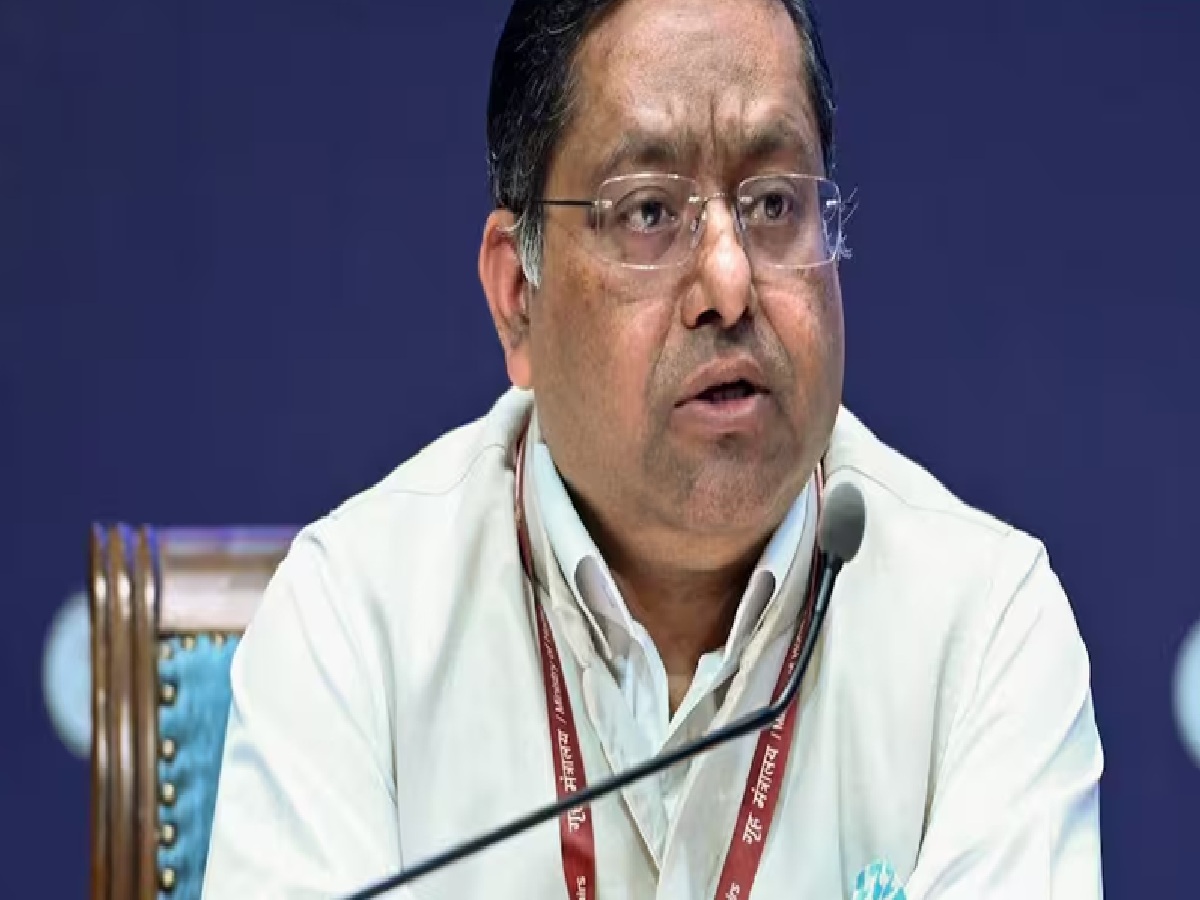
During a media briefing on July 17, Ministry of External Affairs (MEA) spokesperson Randhir Jaiswal addressed the development, stating that the government is "closely monitoring these developments" and is fully aware of the proposed legislation. When questioned on how this might impact India’s purchasing decisions, Jaiswal reiterated India's independent approach to energy sourcing. "We buy oil from many countries around the world. It depends on our perspective," he noted, emphasizing that India’s energy procurement is guided by its own specific requirements rather than external pressures.
Understanding the Proposed "Lindsey O. Graham Sanctioning Russia Act"
Named in tribute to the late Republican Senator Lindsey Graham and co-sponsored by Democrat Senator Richard Blumenthal, the bill is designed to intensify economic pressure on Russia by targeting the revenue channels used to fund the ongoing war in Ukraine. Key provisions of the act include:
-
100% Tariffs: Imposing mandatory 100% tariffs on imports from the world’s top five purchasers of Russian crude oil or natural gas.
-
Sanctions Evasion: The bill also targets nations identified as top facilitators of Russian oil sanctions evasion.
-
Periodic Review: It calls for the U.S. Trade Representative to reassess the list of affected countries every 180 days, adjusting tariff rates based on changing purchasing patterns.
-
Exemptions: The legislation includes exemptions for certain European nations whose imports of Russian natural gas account for less than 15% of their total supply and who are actively working to reduce that dependence.
Wider Concerns: New U.S. Visa Rules
Beyond the energy sanctions, India is also navigating tightened U.S. visa regulations that are expected to impact students, journalists, and exchange visitors. The new rules replace the "duration of status" system with fixed, finite limits—reducing visa validity for many foreign journalists to 240 days. Regarding these changes, Jaiswal stated that while visa regulations are a sovereign function of any country, India consistently takes up issues of difficulty faced by "genuine travelers and students" with U.S. authorities to mitigate hardships.