







ICJ Set to Deliver Landmark Rohingya Genocide Verdict Today
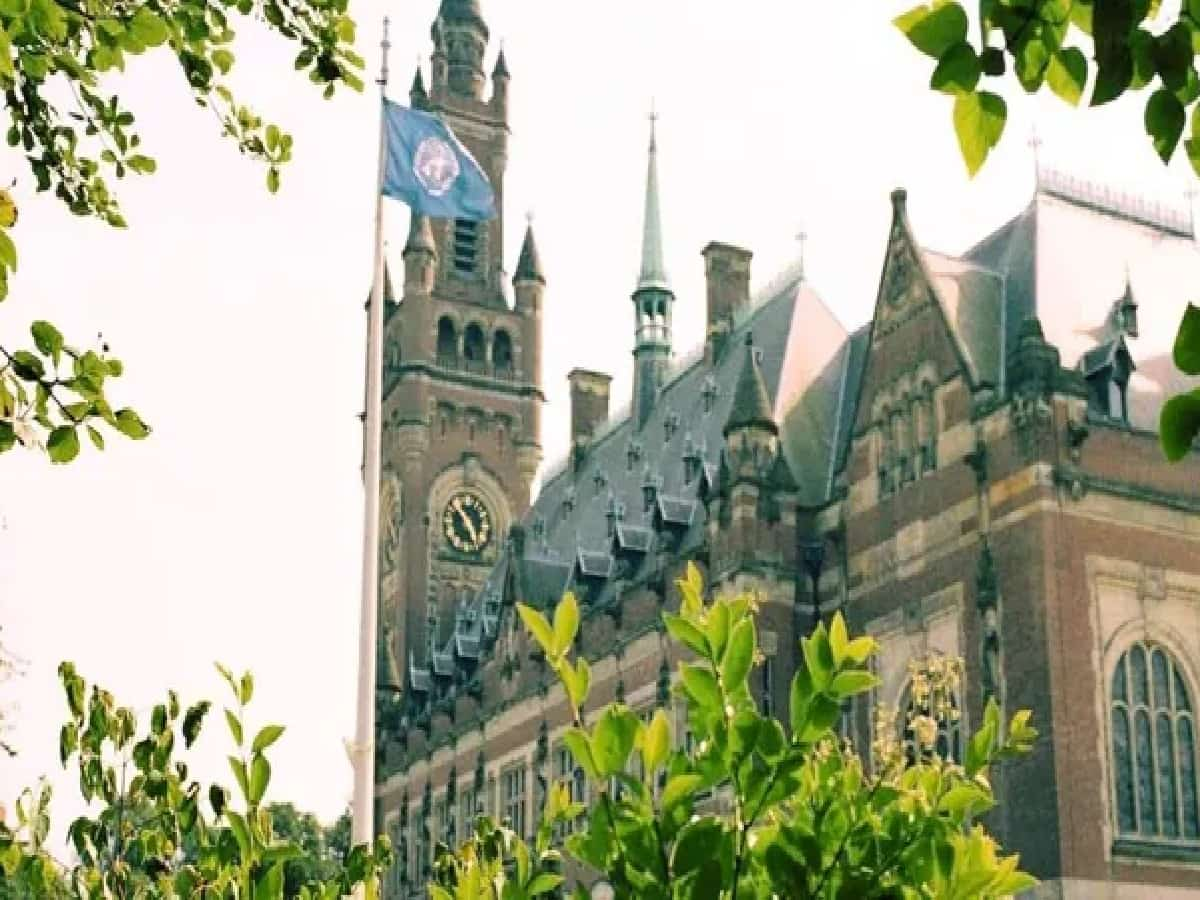
After seven years of exhaustive legal proceedings, the International Court of Justice (ICJ)—the principal judicial organ of the United Nations—is set to deliver its historic, final judgment in the landmark Rohingya genocide case against Myanmar (The Gambia v. Myanmar). Scheduled to be read aloud at the Peace Palace in The Hague on Thursday, November 19, 2026, at 10:00 a.m. local time (0900 GMT / 2:30 p.m. IST) in a public sitting expected to span roughly 90 minutes, the ruling carries profound humanitarian and legal weight for over 1.2 million displaced Rohingya refugees currently living in sprawling camps across Cox's Bazar, Bangladesh, who fled sweeping military crackdowns in Myanmar's Rakhine State in August 2017. Initiated in November 2019 by the West African nation of The Gambia—with the backing of the 57-member Organisation of Islamic Cooperation (OIC) and later joined by 11 intervening states, including Canada, France, Germany, the United Kingdom, Ireland, Belgium, and the Maldives—the lawsuit represents the first time a nation without direct territorial ties invoked Article IX of the 1948 Genocide Convention to hold another state accountable for alleged genocide. Following final merits hearings held in January 2026 under ICJ President Yuji Iwasawa, the 15-judge bench will rule definitively on whether Myanmar's state organs and armed forces violated their treaty obligations during clearance operations that displaced more than 730,000 Muslim Rohingya amid documented accounts of mass killings, sexual violence, and burned villages. Because ICJ judgments are final and without appeal, the ruling will not only establish a crucial legal benchmark for proving genocidal intent (dolus specialis)—closely watched in parallel proceedings such as South Africa's 2023 case against Israel—but also determine whether Myanmar must provide reparations and guarantee the safe, dignified return of refugees. For human rights observers, diplomats, legal scholars, and readers across New Delhi, Kolkata, Guwahati, Imphal, Agartala, Dhaka, Cox's Bazar, Yangon, and The Hague, today's verdict marks a defining test for international justice.
Seven Years to Judgment: Key Milestones and Legal Stakes in The Gambia v. Myanmar
To trace how this unprecedented legal battle progressed from the 2017 Rakhine crisis to today's final merits ruling at the World Court, the table below summarizes every verified milestone and core legal question:
| Case Dimension | Verified Facts & Timeline (2017–November 2026) | Legal & Humanitarian Significance |
| Origins & Filing of the Case | Following the August 2017 military crackdown in northern Rakhine State that forced 730,000+ Rohingya into Bangladesh, The Gambia filed suit at the ICJ in November 2019 under the 1948 Genocide Convention. | Established that any state party to the Genocide Convention has legal standing (erga omnes partes) to bring genocide claims even without direct victims of its own. |
| Provisional Measures & Jurisdiction |
• January 2020: ICJ unanimously ordered Myanmar to prevent genocidal acts and preserve evidence. • July 2022: ICJ rejected Myanmar's preliminary jurisdictional objections. • January 2026: Three weeks of merits hearings concluded before the bench. |
Dismissed procedural roadblocks and subjected state conduct to full evidentiary scrutiny on the merits. |
| Competing Arguments Before the Bench |
• The Gambia (backed by 11 intervening nations): Relies on UN Independent International Fact-Finding Mission reports to argue systemic atrocities prove specific genocidal intent. • Myanmar: Denies genocide, claiming security forces conducted legitimate counter-insurgency operations against armed militants and contesting UN report weight. |
Tests the ICJ's strict "only reasonable inference" evidentiary threshold for proving genocidal intent (dolus specialis). |
| Reparations & Enforcement Reality | Gambia requested orders for safe repatriation, property restitution, citizenship recognition, and financial compensation. While ICJ verdicts are final and legally binding, the court lacks an independent police force to enforce compliance. | Unlike the International Criminal Court (ICC)—which prosecutes individuals—the ICJ determines state responsibility, relying on UN Security Council and diplomatic pressure for enforcement. |
Why Proving Genocide Under International Law Sets an Exceptionally High Bar
Today's judgment represents the World Court's most consequential ruling on the 1948 Genocide Convention in over a decade. Under international jurisprudence established in earlier Balkan war cases, proving state responsibility for genocide requires demonstrating not only mass atrocities, but specific intent (dolus specialis) to destroy, in whole or in part, a national, ethnical, racial, or religious group—and that genocidal intent is the only reasonable inference to be drawn from the pattern of conduct.
Consequently, since the Holocaust, international tribunals have formally recognized genocide in only a handful of conflicts, including the 1994 Rwandan genocide, the 1995 Srebrenica massacre in Bosnia, and crimes committed by Cambodia's Khmer Rouge in the late 1970s. Legal experts worldwide—including teams monitoring South Africa's pending Genocide Convention case against Israel over Gaza—are scrutinizing how the ICJ evaluates UN fact-finding evidence alongside military self-defense claims.
Hope for Dignity and Repatriation in Cox's Bazar Refugee Camps
Nearly a decade after fleeing burning villages across Rakhine State, over a million Rohingya men, women, and children remain confined to overcrowded camps in southern Bangladesh. While Myanmar's military-backed authorities have remained silent ahead of the ruling and continued conflict inside Rakhine complicates immediate returns, Bangladesh's Law Minister Md Asaduzzaman summed up the region's expectation in a single word: "Justice." Even though the ICJ cannot directly dispatch peacekeepers to enforce its orders, an authoritative legal declaration of genocide would deny Myanmar's military decades of impunity and strengthen global diplomatic leverage for safe, dignified repatriation.




