







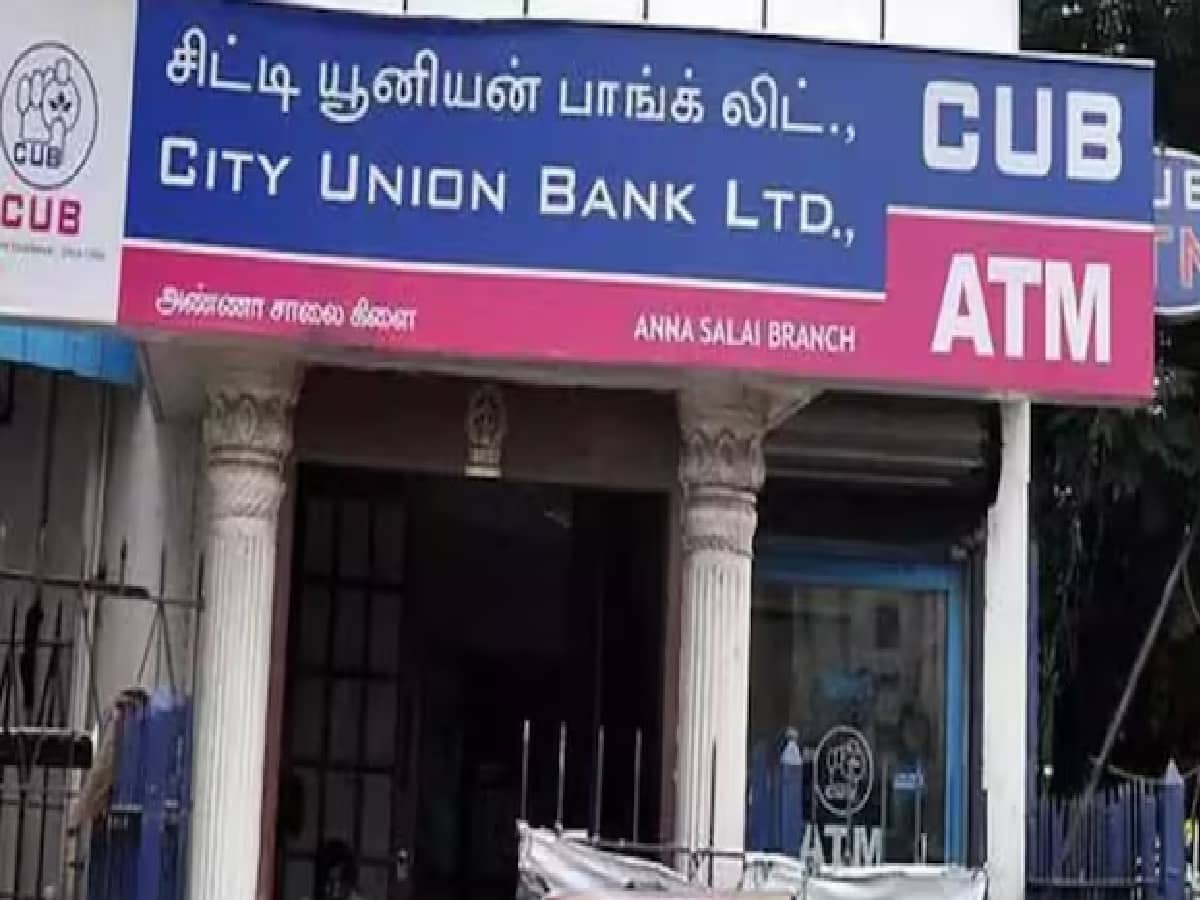
City Union Bank Shuts NEFT, RTGS Gateways After Unauthorized Transfer
Private sector lender City Union Bank Limited (CUB) has temporarily shut down the National Electronic Funds Transfer (NEFT) and Real Time Gross Settlement (RTGS) gateways pertaining to a customer's account after detecting an unauthorized electronic fund transfer earlier this week. In a mandatory regulatory disclosure submitted to the National Stock Exchange (NSE) and the Bombay Stock Exchange (BSE) under Regulation 30 of the SEBI (Listing Obligations and Disclosure Requirements) Regulations on Wednesday, November 18, 2026, the Kumbakonam-headquartered bank confirmed that the unauthorized NEFT debit took place in a customer account on Monday, November 16, 2026. Immediately upon becoming aware of the anomaly, the lender moved swiftly to contain any potential exposure by disabling the concerned NEFT and RTGS payment gateways and launching a forensic root-cause inquiry alongside leading external cybersecurity and payment-system experts. Seeking to reassure both retail depositors and institutional shareholders, City Union Bank emphasized in its filing—signed by Company Secretary and Compliance Officer Venkataramanan S—that the incident is isolated in scope and has caused no material impact on its core business operations, financial performance, or business continuity. Routine branch, digital, and clearing services across the lender's network continue to operate smoothly without interruption. On Dalal Street on Thursday, November 19, 2026, shares of City Union Bank showed resilience following the disclosure, hovering near the ₹231–₹233 mark after having slipped roughly 1.18% to ₹230.10–₹232.20 in Wednesday's session. For banking customers, digital payment users, equity investors, and readers across Chennai, Kumbakonam, Bengaluru, Mumbai, New Delhi, Hyderabad, Lucknow, Unnao, and Kolkata, the episode underscores both the speed of modern bank containment protocols and the importance of understanding Reserve Bank of India (RBI) zero-liability protections.
Inside City Union Bank's Disclosure: Timeline, Gateways & RBI Customer Rules
To clarify the exact sequence of events reported by City Union Bank, how NEFT and RTGS payment rails operate, and what regulatory safeguards protect Indian account holders during unauthorized electronic debits, the table below summarizes the key facts:
| Banking / Regulatory Aspect | Verified Details & Official Position (November 2026) | Impact on Customers & Market Sentiment |
| Incident Date & Regulatory Filing | Unauthorized NEFT transaction occurred in a customer account on November 16, 2026; formally disclosed to NSE and BSE under SEBI Regulation 30 on November 18, 2026. | Demonstrates transparent statutory reporting while clarifying that the incident is confined rather than systemic. |
| Immediate Containment & Probe | Bank shut down the NEFT and RTGS gateways pertaining to the respective customer's account and engaged leading external experts to determine the root cause and mechanism. | Prevents further unauthorized outflows while technical specialists audit how the transfer was initiated. |
| Operational & Stock Market Impact | Core banking functions, liquidity, and financial performance remain unaffected (following CUB's 27% YoY rise in Q2 FY27 profit to ₹416 crore); stock traded steady near ₹231–₹233 on Thursday morning. | Reassures depositors and shareholders that routine transactions across the bank continue normally. |
| NEFT vs. RTGS Payment Systems | Both are 24x7x365 RBI-operated electronic transfer systems: NEFT settles in half-hourly batches with no RBI minimum limit, whereas RTGS settles high-value transfers individually in real time (minimum ₹2 lakh). | Shutting both gateways for the affected profile blocks both batch-based and high-value real-time outbound transfers during investigation. |
Understanding NEFT and RTGS: How India's Core Interbank Rails Work
For everyday banking users, National Electronic Funds Transfer (NEFT) and Real Time Gross Settlement (RTGS) serve as the two foundational electronic fund-transfer mechanisms supervised by the Reserve Bank of India (RBI). Both systems operate round the clock—24 hours a day, seven days a week, including weekends and bank holidays. While NEFT processes retail and commercial transfers in structured half-hourly batches without any RBI-mandated minimum floor, RTGS is tailored for urgent, high-value settlements starting from a minimum threshold of ₹2 lakh, executing each instruction individually on a real-time basis. By isolating and suspending the NEFT and RTGS gateways associated with the impacted account immediately after spotting the unauthorized debit, City Union Bank ensured that neither batch transfers nor high-value real-time outflows could be exploited further while forensic teams examine the breach pathway.
What Customers Should Do If an Unauthorized Transaction Occurs
Under the Reserve Bank of India's customer-protection framework governing unauthorized electronic banking transactions, account holders enjoy strong statutory safeguards provided they act promptly upon receiving an SMS or email debit alert:
-
Report the Transaction Immediately: Notify your bank without delay through its dedicated 24x7 customer helpline, mobile banking fraud-reporting tab, SMS/email alert link, or home branch.
-
Zero Liability Within 3 Working Days: Under prevailing RBI norms, a customer bears zero financial liability when an unauthorized transaction stems from contributory fraud, negligence, or deficiency on the part of the bank—and also receives full zero-liability protection in cases involving third-party security breaches (where neither the bank nor the customer is at fault) if reported within three working days of receiving bank communication.
-
Limited Liability for Delayed Reporting (4–7 Days) & 10-Day Credit Rule: If a third-party breach is reported between four and seven working days, customer liability is capped based on the account type (ranging from ₹5,000 for basic savings accounts up to ₹25,000 for higher-tier/current accounts). Furthermore, banks are mandated to credit the disputed amount shadow-reversally into the customer's account within 10 working days of notification. (Notably, while the RBI issued revised, strengthened customer-protection guidelines in June 2026 scheduled to take effect from January 1, 2027, current RBI norms govern incidents occurring in November 2026.)




