Gaza Situation Unchanged Ahead of Israeli Elections Following Inconclusive Kushner-Netanyahu Talks and Ongoing Casualties
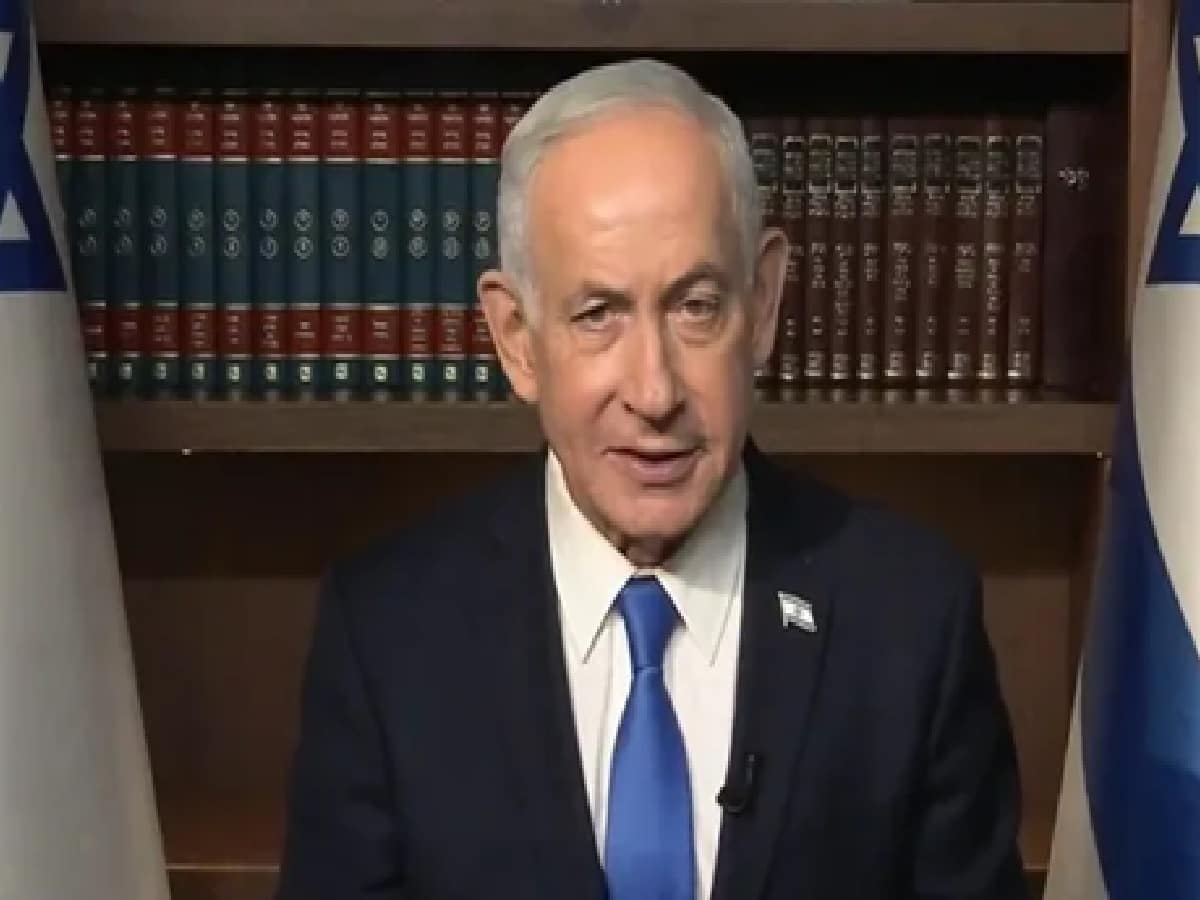
The situation in Gaza remains fraught with tension, with experts indicating that no significant changes are likely before the upcoming Israeli elections and the formation of a new government. This assessment follows high-stakes discussions in Tel Aviv between US negotiator Jared Kushner and Israeli Prime Minister Benjamin Netanyahu aimed at advancing regional peace initiatives, which ultimately concluded without a definitive breakthrough.
Inconclusive Kushner-Netanyahu Talks and Ongoing Violence
The diplomatic efforts led by US President Donald Trump's administration hit a roadblock as meetings between Jared Kushner and Benjamin Netanyahu ended inconclusively. Prior to these discussions, Kushner engaged with Hamas leadership in Cairo, where terms involving an immediate halt to attacks and troop withdrawals in exchange for a surrender were reportedly discussed. However, Netanyahu's administration maintained its strategic stance, compounded by political dynamics ahead of the October elections where showing a soft stance is politically untenable for the current leadership coalition.
Ground Realities and Casualties Across Gaza
Amidst ongoing diplomatic friction, ground casualties in the region have continued to mount. Recent escalations included strikes targeting security and municipal areas in Gaza City as well as refugee camps, resulting in multiple fatalities and injuries. The Israeli military stated that these operations were directed against militant targets, underscoring the relentless nature of the conflict as diplomatic channels struggle to secure a cessation of hostilities.
Investigations into Past Incidents and Aid Worker Casualties
In parallel with ongoing military actions, international attention remains focused on accountability regarding previous incidents. Reports indicate that military authorities have initiated reviews concerning past casualties involving civilians, emergency response personnel, and humanitarian aid workers. Despite these internal procedural steps, human rights organizations continue to monitor developments closely while calling for transparent and independent evaluations.