







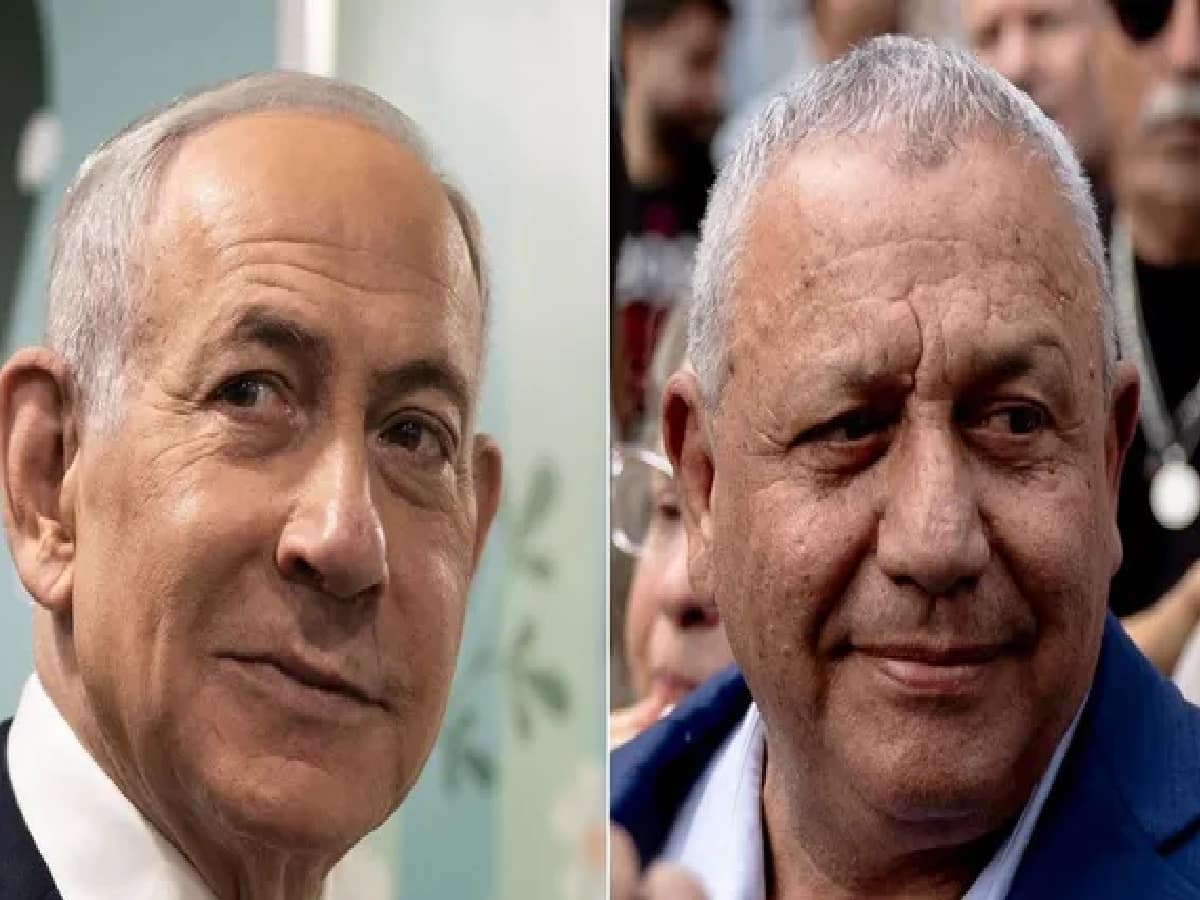
Gadi Eisenkot's Opposition Bloc Leads Israel Exit Polls Amid 75% Turnout
In the first national parliamentary elections held in Israel since the October 7, 2023 attacks, preliminary exit polls indicate that Prime Minister Benjamin Netanyahu’s governing alliance may be on the verge of losing power, facing a narrow defeat against a galvanized opposition camp. Released late Tuesday night by Israel's leading television networks—Channels 11, 12, and 13—the survey projections show the opposition bloc, spearheaded by former military chief Gadi Eisenkot, securing a modest lead of 52 to 53 seats in the 120-member Knesset. In contrast, Netanyahu’s conservative-religious coalition is projected to stall at around 50 seats, well short of the 61-seat threshold required to command an outright parliamentary majority. The historic vote, which drew a staggering 75 percent voter turnout—the highest recorded in decades—has set the stage for an intense political reckoning following years of war and societal polarization.
Eisenkot’s 53-Seat Edge vs. Likud’s 25: A Fractured Knesset Math
Despite the broader coalition setback, Benjamin Netanyahu’s Likud party is slated to retain its status as the single largest faction in parliament, securing an estimated 24 to 25 seats. However, even with the combined support of its ultra-Orthodox and hardline nationalist allies, the incumbent prime minister’s bloc falls short of the numbers needed to govern unilaterally. Former Chief of Staff Gadi Eisenkot and fellow opposition leaders hailed the projected tallies as a profound public vote of no-confidence in Netanyahu’s administration. Throughout the campaign, the long-serving prime minister had anchored his re-election bid almost entirely on hardline security credentials, promising an uncompromising fight against regional adversaries ranging from Hamas in Gaza to Hezbollah and Iran. Yet, the preliminary outcome reveals a deeply fragmented electorate where neither the ruling right-wing nor the center-left opposition holds a direct path to the required 61-seat majority without intense negotiations.
Arab Parties Emerge as Kingmakers with 18 Seats as Netanyahu Rules Out Support
Adding an intricate layer of complexity to the post-poll mathematics, Arab-majority parties delivered an unexpectedly strong performance, capturing a projected 17 to 18 seats to emerge as decisive potential kingmakers in the next legislative assembly. Their surging parliamentary presence follows a tense polling day during which Netanyahu publicly sounded alarms over high Arab turnout, alleging efforts to manipulate the final outcome. Amid the brewing parliamentary impasse, Netanyahu issued a firm statement explicitly ruling out any political accommodation, declaring that there is no question of his camp forming a government dependent on Arab party support. With both primary political blocs lacking an organic majority, Israeli political analysts warn that coalition bargaining could drag on for grueling weeks, raising the prospect of unprecedented cross-bench realignments or prolonged constitutional deadlock in Tel Aviv and Jerusalem.




