France Deploys Air Defenses to Guard Saudi Oil Hub at Yanbu
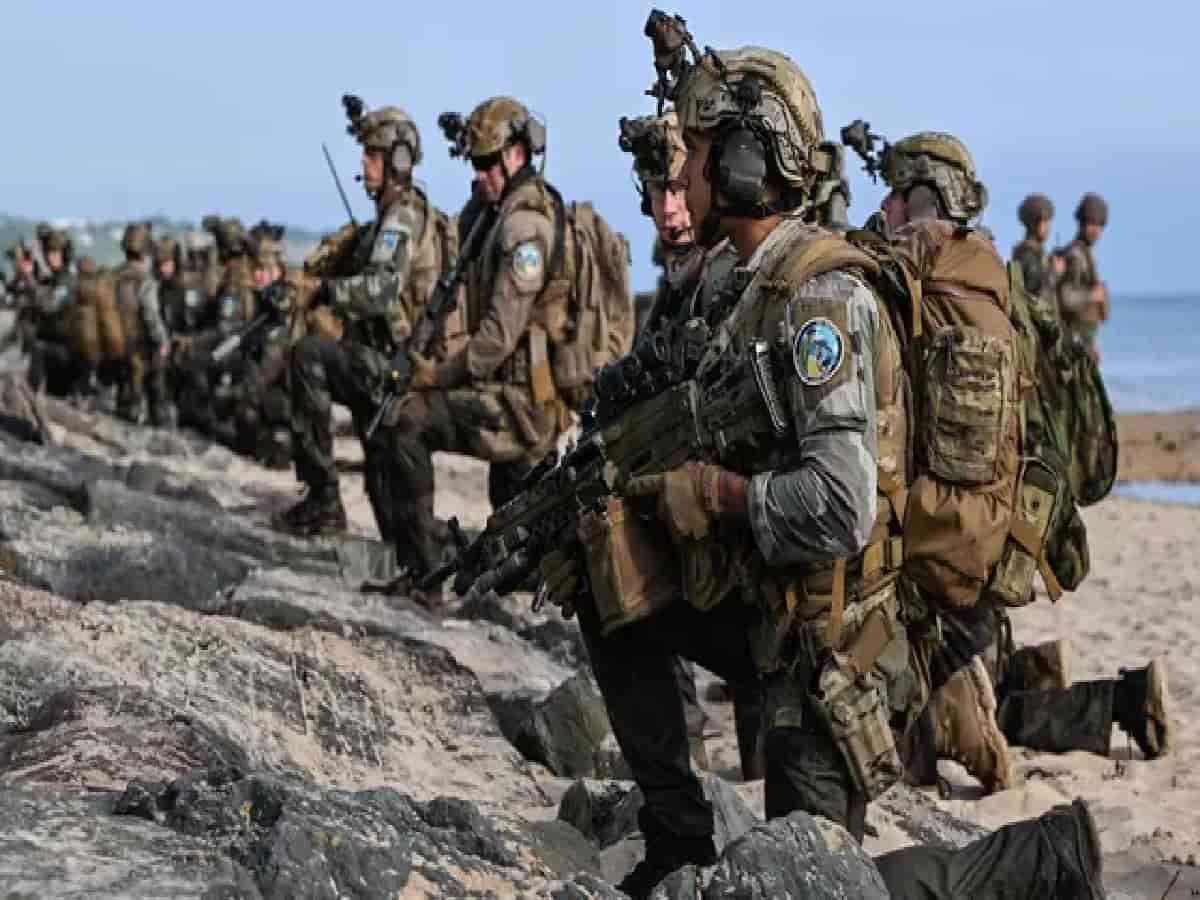
In a significant geopolitical and security development, France has confirmed the deployment of military personnel, advanced surveillance radar units, and integrated air defense missile systems to the Kingdom of Saudi Arabia. Announcing the bilateral security pact on Thursday, French President Emmanuel Macron stated that the specialized detachment will be stationed along Saudi Arabia's critical western coastline to protect vital energy infrastructure from persistent aerial threats. The move comes as regional energy complexes face escalating asymmetric drone and cruise missile strikes launched by Yemen-based, Iran-aligned Houthi forces. French defense planners emphasize that the deployment is calibrated as a defensive shield intended to guarantee maritime supply routes and stabilize volatile energy flows rather than as an expeditionary force for offensive combat operations.
Securing Yanbu: Advanced Radars and Missile Shields Against Swarm Drones
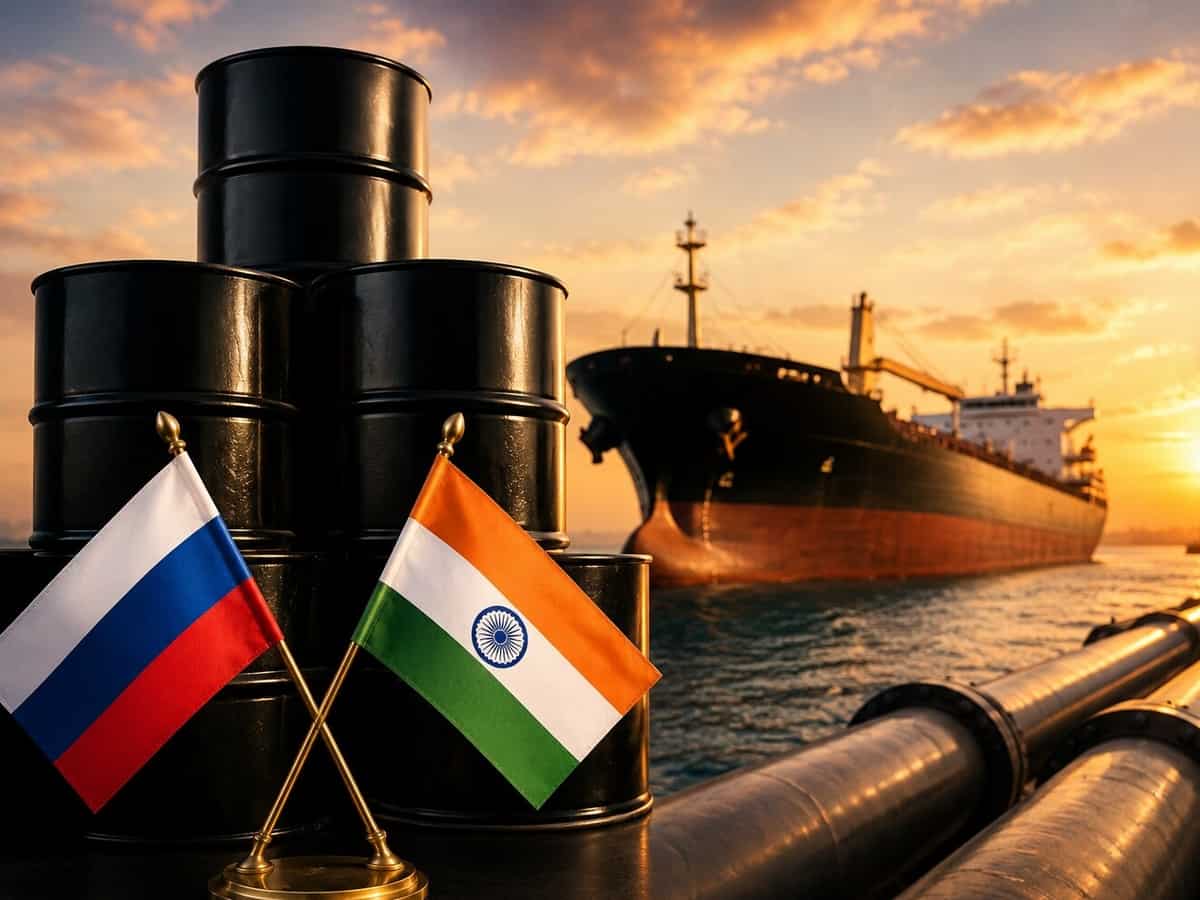
The primary focus of the French mission centers on the port city of Yanbu, a pivotal petroleum terminal and refining center situated on the Red Sea. Yanbu serves as the western terminus of the East-West Petroline pipeline, enabling crude shipments to bypass the volatile Persian Gulf. Macron confirmed that the bilateral military pact involves dispatching trained air defense detachments equipped with precision low-altitude detection radars and surface-to-air interceptors capable of neutralizing low-flying unmanned aerial vehicles, loitering munitions, and anti-ship ballistic missiles. While maintaining that French personnel are tasked strictly with installation defense, Macron explicitly left the door open for expanded military and technical assistance should security dynamics deteriorate further across the southern Red Sea corridor.
Domestic Energy Security and Combating European Gas Price Surges
Beyond fulfilling defense cooperation agreements with Riyadh, the Elysée Palace framed this military deployment as an economic necessity for France and its European allies. Macron underscored that safeguarding global oil and liquefied natural gas terminals directly influences domestic French energy security and household fuel expenses. Disruptions to crude exports out of the Arabian Peninsula trigger immediate volatility in global benchmark prices, accelerating inflation across Western economies. By providing operational stability to alternative pipeline terminals outside contested maritime chokeholds, France aims to prevent supply crunches, cool elevated international gas prices, and protect European industrial supply chains from external geopolitical shocks.
Strait of Hormuz Chokepoint Tightens Amid Broader Regional War
The French deployment unfolds against the backdrop of an intense, wider conflict sparked over six months ago involving the United States, Israel, and Iran. That confrontation has severely disrupted commercial shipping lanes and triggered a virtual maritime blockade around the Strait of Hormuz, the world’s most critical transit bottleneck for seaborne oil and gas exports. With traditional Persian Gulf tanker corridors constrained by ongoing hostilities and naval standoffs, Saudi Arabia’s Red Sea export terminals in Yanbu have become indispensable lifelines for global energy markets. As Houthi militants widen their target envelope toward these western alternatives, Paris has stepped into a frontline role to keep open the world’s remaining petroleum arteries.