







Flydubai Jet: Inside the High-Alert Protocol That Averted a 9/11-Style Catastrophe
Startling defense disclosures revealed that Israeli military authorities stood fully prepared to shoot down a commercial Flydubai airliner mid-air after its rogue Omani co-pilot initiated an airborne hijacking and forced the aircraft into a terrifying dive. According to an investigative report by CBS News, the harrowing incident unfolded when the inbound airliner suddenly sent out hijacking transponder signals and plummeted nearly 18,000 feet within seconds. When the Israeli Air Force (IAF) failed to establish radio contact with the cockpit, standard defense protocols took over immediately. A pre-designated crisis committee convened, established an emergency joint operations command center, scrambled frontline fighter jets, and shut down Israeli airspace to intercept the aircraft before it could breach populated corridors.
Mid-Air Heroics in the Skies: Indian Captain, Crew, and Passengers Foil Hijacker
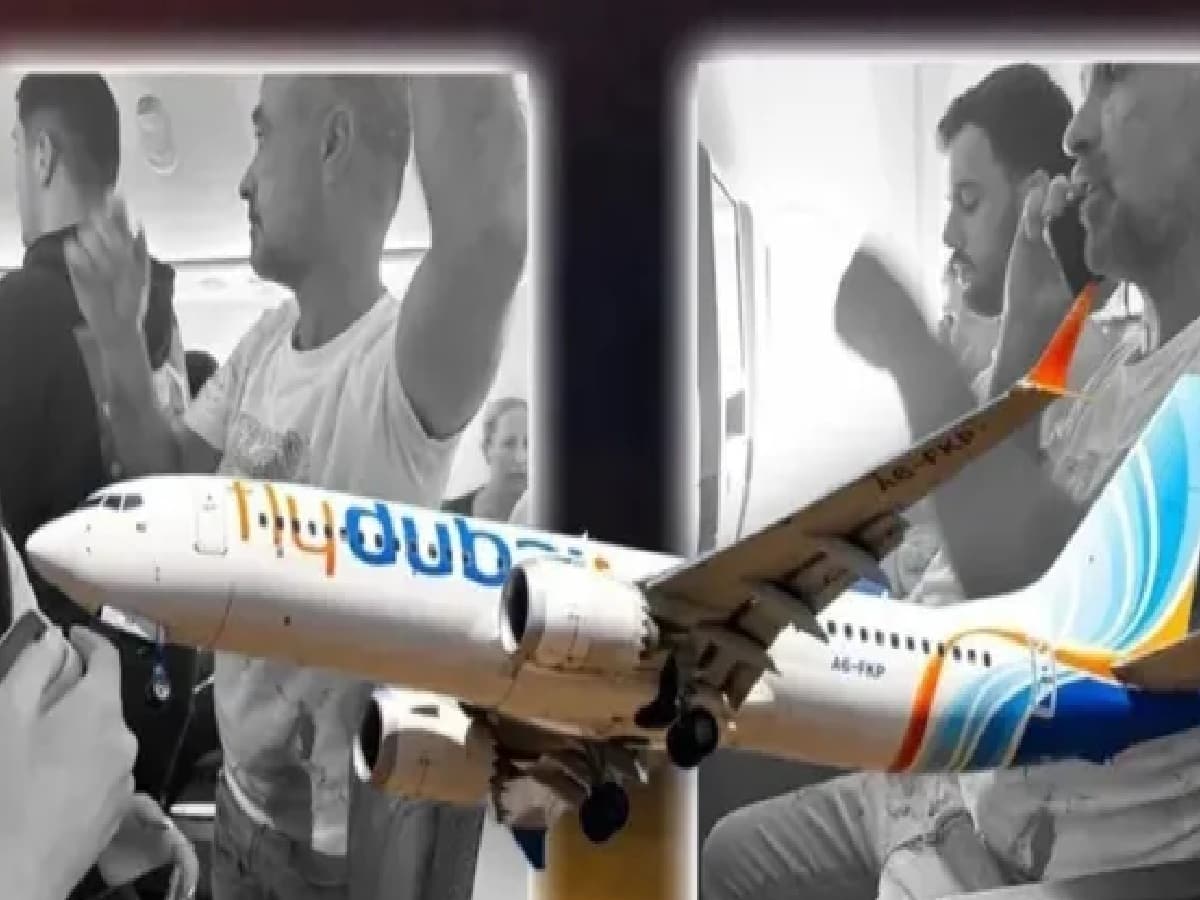
The catastrophic interception scenario was averted in the final moments when the aircraft veered away from Israeli territory and entered Saudi Arabian airspace, where Royal Saudi Air Force interceptors had also taken flight. Israeli intelligence soon learned that a violent struggle had erupted inside the aircraft. The Indian pilot-in-command managed to force open the locked cockpit door after physically grappling with the rogue co-pilot. Israeli passengers joined Flydubai cabin crew members to rush the cockpit, successfully pinning down and neutralizing the assailant. Two off-duty commercial airline pilots traveling as passengers took the controls, stabilized the descent, and executed an emergency landing at Tabuk Regional Airport in northwestern Saudi Arabia.
Interception Protocols: Visual Cockpit Checks and Prime Minister's Shoot-Down Doctrine
Military sources detailed that under Tel Aviv’s contingency doctrine—drilled extensively to counter potential September 11-style suicide strikes—if Flight 1073 had approached within target distance, IAF fighter pilots would have crossed into Jordanian airspace to visually verify the situation. Interceptor pilots are trained to pull alongside the cockpit, attempt direct eye contact with the flight crew, and inspect cabin windows to evaluate passenger panic. If complete radio silence persists and hostile control is confirmed without demands, the command committee escalates directly to the Defence Minister and the Prime Minister. Israeli defense policy dictates that only the Prime Minister can authorize shooting down a passenger aircraft, grounded in the doctrine that terminating a hijacked jet mid-air is a necessary measure to prevent mass casualties on iconic civilian targets, such as the Azrieli towers or Ben Gurion International Airport.