







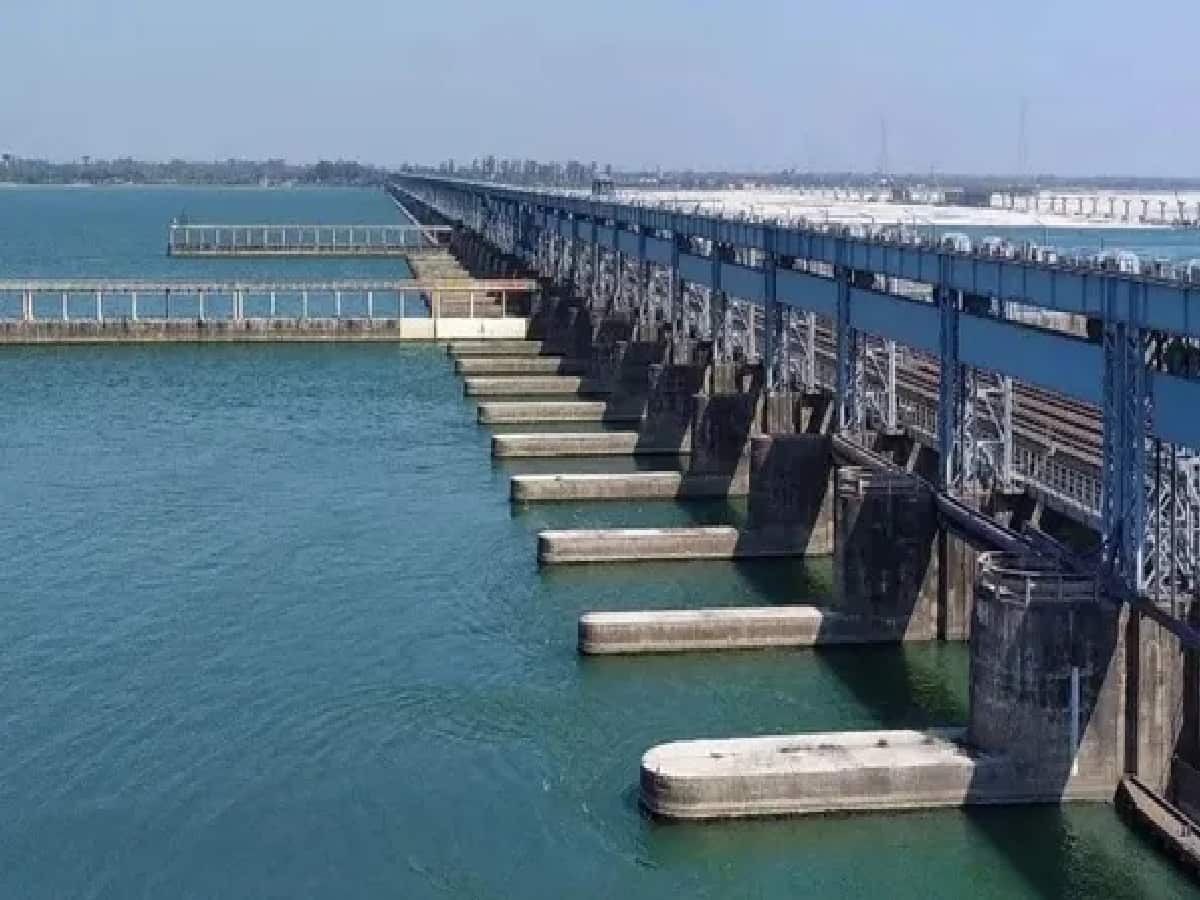
Dhaka Softens on Ganga Treaty, Seeks Renewal Before Dec 12 Expiry
With the clock ticking down toward the December 12, 2026 expiry of the historic 1996 Ganga Water Sharing Treaty, Dhaka has signaled a notable softening in its diplomatic posture—moving away from insistent demands for an entirely new pact and expressing hope that New Delhi's political leadership will take concrete steps toward renewing the existing agreement before its 30-year term runs out. Reported across South Asian and Indian news desks on Monday, November 23, 2026, the shift followed the 91st meeting of the India–Bangladesh Joint Committee of the Joint Rivers Commission (JRC) in Dhaka, where technical delegates from both sides finalized the 2026 annual implementation report for the treaty. Speaking to reporters after the Dhaka talks, Rashed Al Mahmud Titumir, who heads Bangladesh's 10-member technical committee and serves as Finance and Planning Advisor, stated that Dhaka has completed its preparatory groundwork and hopes New Delhi will move promptly to initiate formal negotiations for equitable water sharing of the Ganga (Padma) prior to December 12. Earlier, Bangladeshi officials had pressed for a brand-new treaty containing binding dry-season flow guarantees and a dedicated special technical mechanism, whereas India has long maintained that the established Joint Rivers Commission framework is the proper forum for addressing transboundary river matters. For river-basin communities, farmers, and policymakers across Unnao, Lucknow, Kanpur, Varanasi, Prayagraj, Patna, and Kolkata along the Ganga–Bhagirathi–Padma system—as well as across over one-third of Bangladesh home to more than five crore people—the run-up to December 12, 2026 carries vital stakes for irrigation, drinking water, ecology, and regional stability.
Bangladesh–India Ganga Water Treaty (Nov 2026): 91st JRC Meet, Key Figures & Stakes
To bring together the verified outcomes of the 91st Joint Committee meeting in Dhaka, the shift from a new-pact push toward treaty renewal ahead of December 12, 2026, and the hydrological and diplomatic stakes for both nations, the tables below summarize the developments:
Key Outcomes & Delegations at the 91st Joint Committee Meeting (Dhaka, Nov 2026)
| Meeting / Policy Element | Verified Details (Nov 22–23, 2026) | Diplomatic & Operational Significance |
| 91st JRC Joint Committee Meeting | Held in Dhaka (Nov 22, 2026); 2026 annual implementation report on the 1996 Ganga Water Sharing Treaty finalized by both sides. | Completes routine annual monitoring ahead of the December 12, 2026 treaty expiration date. |
| Delegation & Key Officials |
Bangladesh: 6-member JRC delegation led by Anwar Qadiri; Rashed Al Mahmud Titumir leads Bangladesh's 10-member technical committee; Water Resources Minister Shahiduddin Chowdhury Anee sent a diplomatic letter to his Indian counterpart. India: 4-member delegation led by Sharad Chandra (Joint Rivers Commission). |
Signals Dhaka's readiness for formal talks and awaits New Delhi's political and technical timeline. |
| Shift on Treaty Renewal vs. New Deal | Dhaka previously pushed for a new treaty with dry-season flow guarantees and a special technical team; now urges concrete Indian steps toward renewal before December 12. | Final calls on renewal, interim extension, or terms rest with top political leadership in both capitals. |
Hydrological & Regional Context of the 1996 Ganga Water Sharing Treaty
| Strategic Dimension | Key Facts & Context | Why It Matters Ahead of December 12, 2026 |
| Treaty Scope & Duration | Signed on December 12, 1996 for a 30-year term expiring December 12, 2026; governs water sharing at Farakka during the lean season (January 1 to May 31). | Under Article XII, renewal requires mutual consent of both governments. |
| Shared Rivers & Livelihoods | India and Bangladesh share 54 common/transboundary rivers, with the Ganga being the sole river covered by a bilateral water-sharing treaty; affects over one-third of Bangladesh (50+ million people). | Dry-season availability supports agriculture, irrigation schemes, navigation, and river ecology downstream. |
| Domestic & Regional Considerations | In India, water and river-basin concerns involve federal coordination alongside state interests in West Bengal and Bihar, while bilateral ties face broader diplomatic crosswinds. | Shapes how quickly New Delhi moves from routine technical reviews to formal renewal talks. |
Why Dhaka Shifted Toward Seeking Renewal Ahead of the December 12 Deadline
With less than three weeks remaining before the 30-year 1996 treaty expires on December 12, 2026, Dhaka has moderated its earlier insistence on replacing the pact outright, focusing instead on securing formal negotiations for renewal. Rashed Al Mahmud Titumir emphasized that Bangladesh's technical side is ready and urged India to take practical steps for fair, equitable water sharing—even as officials note that any final decision on renewal or an interim arrangement rests with top political leaders in New Delhi and Dhaka.
What the Ganga–Padma Basin Means for India and Bangladesh Moving Forward
For communities living along the Ganga basin—from Unnao, Lucknow, Kanpur, and Patna upstream and Kolkata along the Bhagirathi–Hooghly to the Padma plains in Bangladesh—predictable water management and constructive dialogue remain vital. Whether both governments reach a formal renewal or an interim understanding before December 12, 2026 will be a key test of river diplomacy in South Asia.




