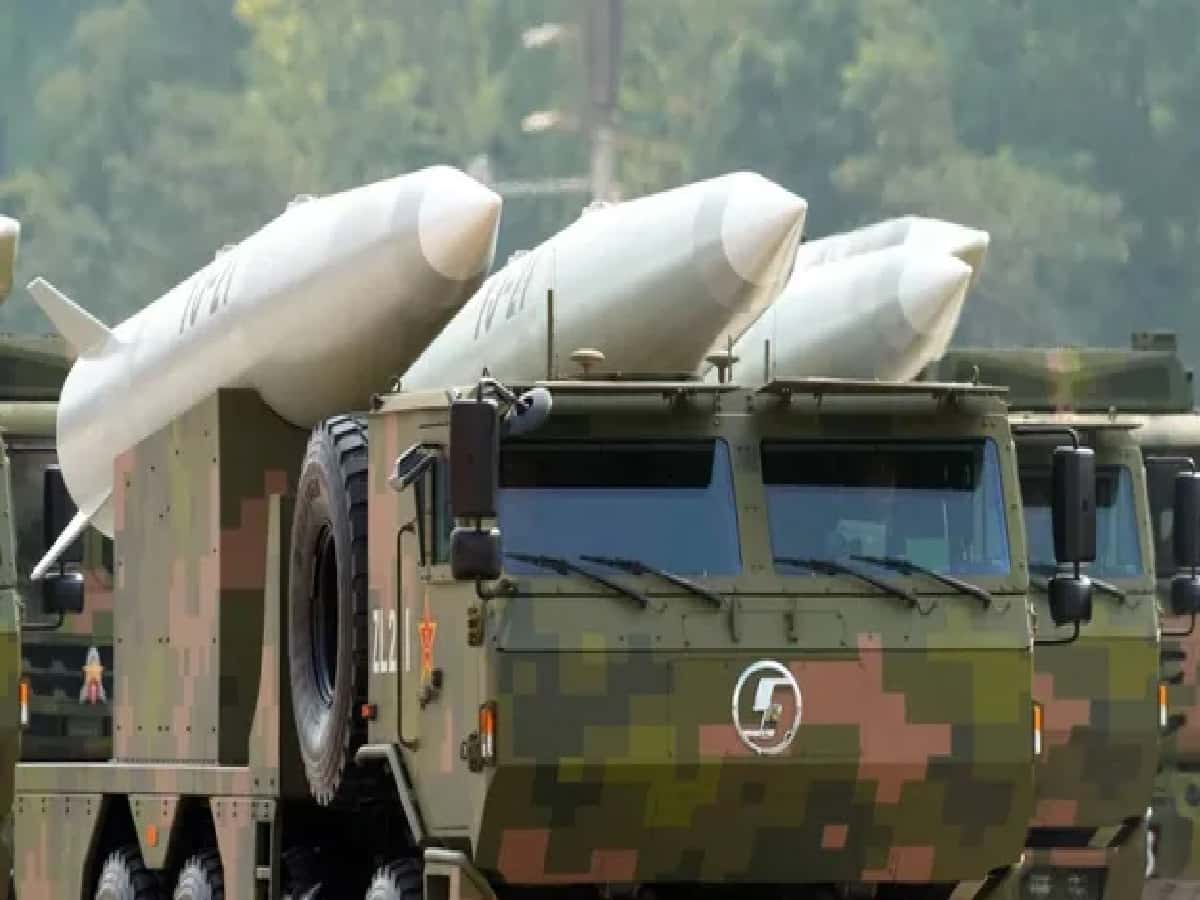
China Develops Hypersonic Air-to-Air Attack Vehicle Capable of Targeting Aircraft Thousands of Miles Away
The global defense landscape is witnessing a major technological shift as the Chinese military successfully develops advanced hypersonic glide vehicles capable of firing air-to-air weapons. Designed to strike high-value tactical assets such as airborne early warning, control, and command-and-control aircraft from thousands of miles away, this new military capability introduces unprecedented strategic challenges for rival superpowers, particularly during potential long-range theater operations.
Strategic Threat To Long-Range Support And Command Aircraft
According to recent defense assessments, integrating air-to-air capabilities into hypersonic cruise missiles and glide vehicles allows Beijing to target critical support aircraft that traditionally operate far behind active battle zones, including aerial refuelers and airborne command posts. Utilizing platforms like the DF-17 missile—which boasts a range of roughly 1,500 miles—or the longer-range DF-27 capable of reaching distances up to 5,000 miles, these weapon systems bypass conventional defense parameters. Defense analysts note that no other nation currently fields operational weapons combining maneuvering hypersonic glide warheads with ultra-long-range air-to-air strike mechanics.
Technical Complexities And Escalation Risks
While these hypersonic systems offer immense strike reach, defense experts emphasize that employing ballistic missiles against distant, mobile aircraft involves significant tactical risks. The extended flight times require hyper-accurate, real-time target telemetry over complex kill chains. Furthermore, military strategists warn that launching ballistic missiles in conventional air-to-air roles carries a high risk of miscalculation, as adversaries could mistake the trajectory for a nuclear strike, potentially triggering unintended catastrophic escalation.
Global Arms Race And US Counter-Developments
As China rapidly expands its missile inventory—estimated by the Pentagon to exceed 3,150 ballistic weapons following significant production surges—the United States and its allies are accelerating their own long-range air-to-air countermeasures. The US Navy and defense contractors are actively developing and testing advanced extended-range munitions, such as the AIM-174B, the AIM-424 Malice, and Lockheed Martin's upcoming AIM-260 missile, to maintain tactical parity in future contested aerospace environments.