







Cheap Drones: The Deadly New Weapon of Southeast Asia's Mafias & Terrorists
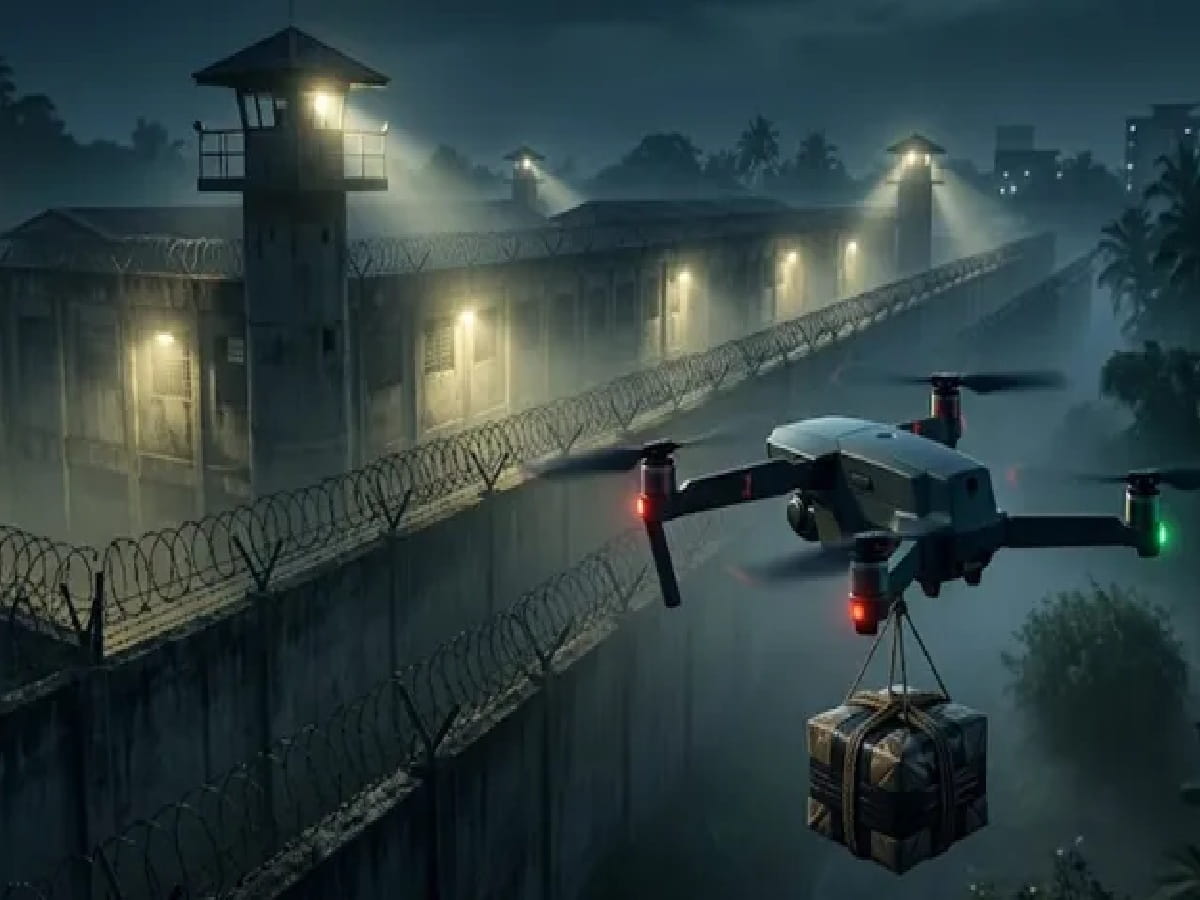
An alarming influx of inexpensive, commercially accessible unmanned aerial vehicles (UAVs) has revolutionized the operational capabilities of organized crime syndicates, narcotics cartels, and extremist networks across Southeast Asia, triggering urgent alerts among regional counter-terror and homeland security agencies. Once the exclusive domain of state militaries, quadcopters and miniature drones are now systematically weaponized to orchestrate high-stakes black-market logistics, bypass physical border fences, and breach maximum-security correctional facilities. An exhaustive security evaluation covering seven Southeast Asian nations revealed that a staggering 86 percent of all detected illicit drone flights were directly tied to cross-border narcotics trafficking, demonstrating how transnational mafias have rapidly transitioned from hazardous land routes to automated, low-risk aerial supply corridors.
From Social Media Prison Drops to 4,500 Seizures Across Thailand and Malaysia
The proliferation of unmanned systems has severely compromised perimeter security across the region’s penitentiary system, where criminal networks exploit consumer drones to run on-demand aerial delivery services into open prison courtyards. High-profile incidents recorded at Malaysia’s Tapah Jail and Sungai Udang Prison, along with multiple detention centers in Indonesia and the Philippines, show that inmates use encrypted messaging and social media platforms to coordinate incoming drops of contraband, including commercial narcotics, tobacco consignments, and illicit smartphones. The scale of the aerial black market is underscored by enforcement records from Thailand, where border patrols and security personnel have confiscated an unprecedented 4,583 unauthorized drones. To sustain these illicit fleets, syndicates rely on mass-produced, low-cost hardware manufactured in China, utilizing international passenger flights, standard commercial shipping networks, and open e-commerce platforms to smuggle airframes and customized spare parts past customs checkpoints without arousing suspicion.
From the Pope Francis Plot to Syrian Jihadists: The Transnational Terror Axis
Beyond narcotics logistics, intelligence agencies have uncovered alarming evidence of drones being integrated into targeted assassination conspiracies and international terrorist pipelines. In Indonesia, counter-terror operatives previously arrested seven radical operatives who were plotting a coordinated drone attack against Pope Francis during his high-profile papal visit in September 2024, recovering a weaponized mini-drone from their hideout. Simultaneously, cross-border intelligence disrupted a complex international logistics network that procured commercially manufactured drone components in Indonesia and rerouted them to Hayat Tahrir al-Sham (HTS) militants engaged in the Syrian conflict. Operating with sophisticated operational security, the terror syndicate purchased components through online vendors, concealed the hardware inside commercial food cargo containers destined for Turkey, and settled transactions using decentralized cryptocurrencies to evade the global banking grid.
Myanmar’s High-Tech Asymmetric War: Jammer-Proof Drones Reshape the Battlefield
The weaponization of civilian drones has reached its deadliest manifestation in Myanmar's escalating civil war, fundamentally altering traditional infantry doctrines. Anti-junta ethnic armed organizations and resistance fighters have executed over 2,100 precision drone strikes across more than 600 distinct geographical locations, overwhelming conventional military checkpoints and fortified outposts. To neutralize electronic warfare defenses deployed by Myanmar’s military government, insurgent technicians have retrofitted commercial drones with European civilian satellite navigation systems, allowing the aircraft to maintain target locks and bypass standard radio-frequency jammers. Caught off-guard by the relentless wave of precision aerial bombardments, Myanmar's military junta has responded with heavy retaliatory airstrikes and artillery barrages, marking an era where modified civilian consumer gadgets dictate the tempo of modern asymmetric warfare across Southeast Asia.




