







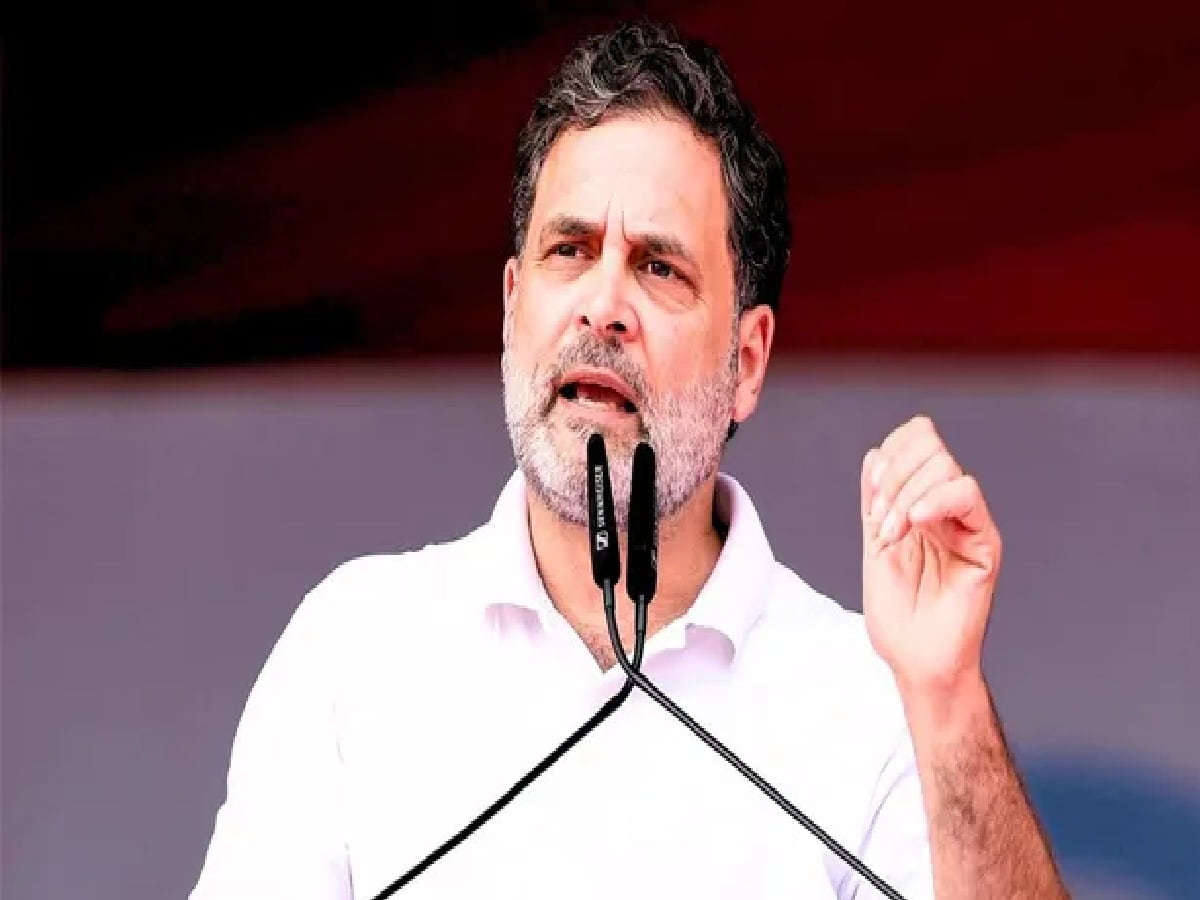
Boycotting Polls Will End Indian Democracy: Rahul Gandhi in Chicago
Speaking during a high-profile academic interaction at the University of Chicago in Illinois on Wednesday, November 18, 2026, Congress leader and Leader of the Opposition in the Lok Sabha Rahul Gandhi declared that India's opposition parties will not abandon the ballot box despite their allegations of systemic electoral irregularities. Moderated by political science professor Robert Pape during a session examining global geopolitics and India's democratic trajectory, Gandhi's remarks underscored the opposition's strategic dilemma in contesting elections while raising questions about institutional fairness. Describing Indian democracy as "sacred," the Congress MP argued that withdrawing from elections or calling for a boycott would immediately delegitimize the entire constitutional structure in the eyes of the public. Instead, Gandhi stated that the opposition's deliberate strategy is to remain inside the electoral arena, absorb political setbacks, and continuously place alleged discrepancies before Indian citizens until public awareness forces institutional reform. His Chicago address followed a separate appearance a day earlier at Columbia University in New York, where he sparked a fierce political storm back home by claiming that India is sitting on an "economic disaster" driven by youth unemployment and educational challenges. In New Delhi, leaders of the ruling Bharatiya Janata Party (BJP) swiftly condemned Gandhi's statements across both American campuses, accusing the Leader of the Opposition of maligning India's democratic institutions and economic achievements on foreign soil. For voters, political observers, and citizens across New Delhi, Lucknow, Unnao, Kanpur, Varanasi, Mumbai, Bengaluru, Hyderabad, Kolkata, and Chicago, the exchange highlights the sharp ideological divide between the Congress and the BJP over institutional credibility and India's global narrative.
Key Arguments From Rahul Gandhi's US University Speeches and BJP's Counter
To present an objective, balanced overview of the competing political positions articulated during Rahul Gandhi's two-day United States visit and the ruling party's response in India, the table below summarizes the key statements from both sides:
| Political Dimension | Rahul Gandhi's Statements (Chicago & Columbia, Nov 17–18, 2026) | Ruling BJP's Counter-Response (New Delhi, Nov 18–19, 2026) |
| Electoral Participation vs. Boycott | Told University of Chicago audience that boycotting polls would "end Indian democracy that minute" and render the electoral process illegitimate. | BJP spokespersons accused Gandhi of questioning India's electoral integrity abroad because of repeated electoral defeats at home. |
| Allegations Concerning the Election Commission | Claimed the opposition is receiving internal information from senior officials within the Election Commission and cited alleged voting anomalies—including a claim regarding a Brazilian national voting multiple times in a state assembly poll—dating back to 2014. | BJP leaders dismissed the allegations as "fabricated falsehoods" designed to undermine the sovereign mandate of Indian voters and constitutional bodies. |
| Assessment of India's Economy & Youth Jobs | Stated at Columbia University that India faces an "economic disaster" marked by severe youth unemployment and structural flaws in the education system. | BJP spokesperson Pradeep Bhandari and leader C.R. Kesavan countered that India is the world's fastest-growing major economy (citing ~7% IMF projections), calling Gandhi a "leader of anti-India propaganda". |
| Role of the Leader of the Opposition | Maintained that exposing institutional flaws openly before citizens is a democratic responsibility necessary to protect constitutional governance. | Argued that unlike Prime Minister Narendra Modi—who promotes India's national interests overseas—Gandhi tarnishes the country's global image during foreign trips. |
Why the Opposition Refuses to Abandon the Electoral Arena
During his conversation with Professor Robert Pape at the University of Chicago, Rahul Gandhi addressed questions on why opposition parties continue to participate in elections if they believe the playing field is tilted. Gandhi explained that instructing millions of grassroots party workers to step back from campaigning would collapse the democratic framework overnight. Emphasizing that he would never level criticisms against Indian democracy lightly, he asserted that the opposition has chosen to stay in the fray—despite electoral losses—to document and publicize alleged irregularities. Gandhi further claimed during the session that senior voices inside the Election Commission itself were growing uncomfortable with existing pressures, predicting that internal accountability would eventually reshape the institution.
Fierce Political Pushback in New Delhi Over Remarks Made Abroad
Back in India, Gandhi's twin university engagements at Columbia and Chicago triggered sharp rebukes from the BJP. BJP national spokesperson Pradeep Bhandari took to social media platform X to criticize the Congress leader, alleging that attacking India's electoral system and economic trajectory on American campuses amounted to "anti-India propaganda" unbecoming of a Leader of the Opposition. Echoing that criticism, BJP leader C.R. Kesavan pointed to international growth forecasts recognizing India as the world's fastest-growing major economy, arguing that Gandhi's characterization of an "economic disaster" ignored tangible development metrics and disrespected the democratic verdict of Indian voters. As Gandhi concludes his two-day US tour, the clash over his remarks underscores how debates surrounding domestic institutions increasingly reverberate across international platforms.




