At UN, Shehbaz Sharif Praises Trump Over May 2025 Clash, Warns India on Indus Water Treaty
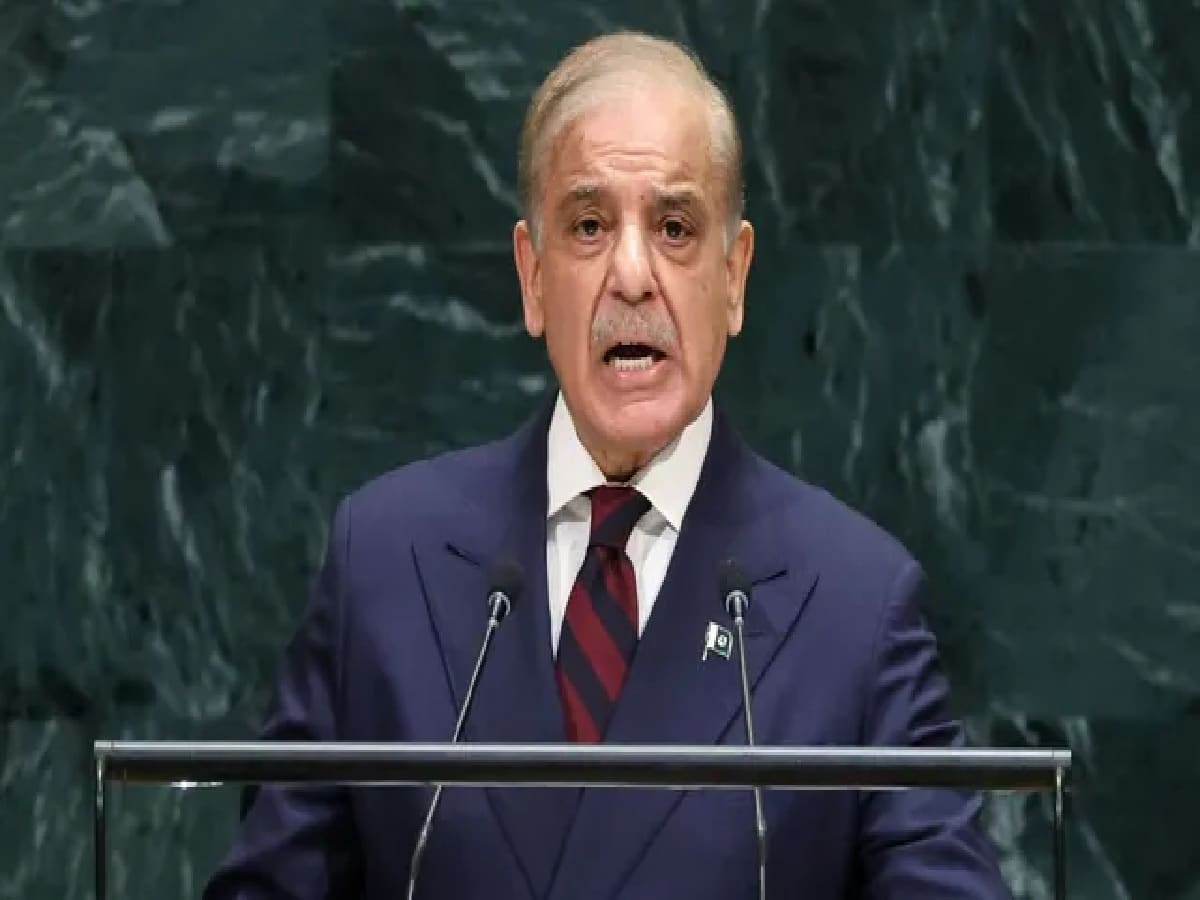
Addressing the 81st session of the United Nations General Assembly in New York, Pakistan Prime Minister Shehbaz Sharif highlighted the high-stakes military confrontation between India and Pakistan that unfolded in May 2025. Speaking before global delegates, Sharif commended United States President Donald Trump for what he described as timely and decisive diplomacy during the standoff. Sharif stated that rapid intervention from Washington prevented the two nuclear-armed neighbors from spiraling into a catastrophic conflict, asserting that multilateral efforts must ensure South Asia avoids similar brinkmanship in the future. However, New Delhi has maintained an unyielding position regarding the resolution of that crisis, reiterating that the de-escalation and ceasefire were achieved through established bilateral military communication channels without third-party mediation.
Rhetoric Surrounding Military Standoff and Operation Sindoor
During his speech, the Pakistani Prime Minister attempted to defend his military's actions during the 2025 hostilities, claiming Islamabad acted under Article 51 of the United Nations Charter concerning self-defense. Sharif offered lavish praise to his armed forces and Field Marshal Syed Asim Munir for their operational posture during the confrontation. The military flare-up originally began following India's execution of Operation Sindoor, a retaliatory cross-border military operation launched after the deadly April 22, 2025 terrorist attack in Pahalgam, which claimed the lives of 26 innocent civilians. New Delhi had initiated precision counter-terror strikes to dismantle launch pads and command centers operating across the border.
Fiery Warning Over Indus Water Treaty Suspension
Turning to regional water sharing, Sharif criticized New Delhi's move to suspend operations under the 1960 Indus Waters Treaty. Labeling the Indus river basin as an indispensable lifeline for his nation, Sharif argued that unilateral measures lacked legal standing under international water conventions. Emphasizing that transboundary water flows should never be weaponized, the Pakistani Prime Minister issued a direct warning, asserting that any physical attempts to alter, halt, or divert river waters allocated to Pakistan would be treated as an act of war, cautioning that Islamabad would respond decisively to any such move.
India Exercises Right of Reply to Dismantle Islamabad’s Claims
Exercising India’s Right of Reply immediately after the remarks, Petal Gahlot, First Secretary at India's Permanent Mission to the United Nations, dismantled Sharif's claims and called out Islamabad’s state-sponsored terror apparatus. Gahlot stated that the fundamental source of tension in the region remains Pakistan’s decades-long institutional reliance on cross-border terrorism. Reminding the assembly of New Delhi's firm posture during the May 2025 crisis, she asserted that India established a clear precedent that terrorists and their handlers will find nowhere to hide. Reaffirming India's sovereign right to self-defense against cross-border aggression, Gahlot warned that sponsored violence would invite severe consequences, emphasizing that repeating falsehoods on international stages does not obscure realities or justify systemic duplicity.