Armenian Foreign Minister Visits Tehran Amid Hormuz Crisis, Discusses Defense Cooperation with Pezeshkian
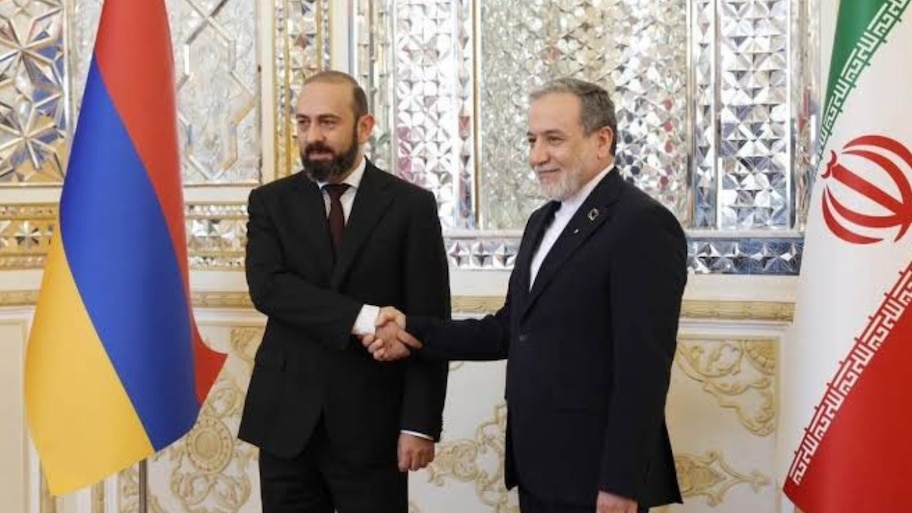
As geopolitical tensions in the Middle East approach a critical tipping point amid the ongoing Strait of Hormuz crisis, high-stakes diplomatic maneuvers are reshaping regional alliances. In a significant development, Armenia's Foreign Minister arrived in Tehran for crucial high-level talks, meeting directly with Iranian President Masoud Pezeshkian. During the strategic summit, Yerevan firmly assured Tehran that Armenian territory would never be permitted to serve as a staging ground or conduit for hostile operations against Iran, reinforcing bilateral security and defense cooperation between the two neighboring nations.
Strategic Diplomacy Amid the Strait of Hormuz Standoff
The high-profile diplomatic visit comes at a volatile time when global energy markets and international security are jittery over escalating military posturing around the strategic Strait of Hormuz. Iran, facing intense Western pressure and regional friction, is actively strengthening ties with friendly border nations to safeguard its strategic depth and economic stability. By securing explicit diplomatic assurances from Armenia regarding territorial neutrality and defense collaboration, Tehran aims to neutralize potential security vulnerabilities along its northern corridors while showcasing active regional alliances.
Deepening Armenia-Iran Defense and Economic Partnerships
Beyond immediate regional crisis management, the discussions between President Masoud Pezeshkian and the Armenian delegation focused heavily on expanding long-term trade, energy exchanges, and joint defense frameworks. Both nations share critical geostrategic interests in maintaining regional stability through the South Caucasus and Middle Eastern corridors. Analysts note that as global superpowers vie for influence across Eurasia, Yerevan and Tehran's deepening cooperation underscores a calculated effort to insulate their borders against external pressures and foster mutual economic resilience.