






Why Global Prices Plummeted Despite Missile Strikes on Saudi Oil Facilities
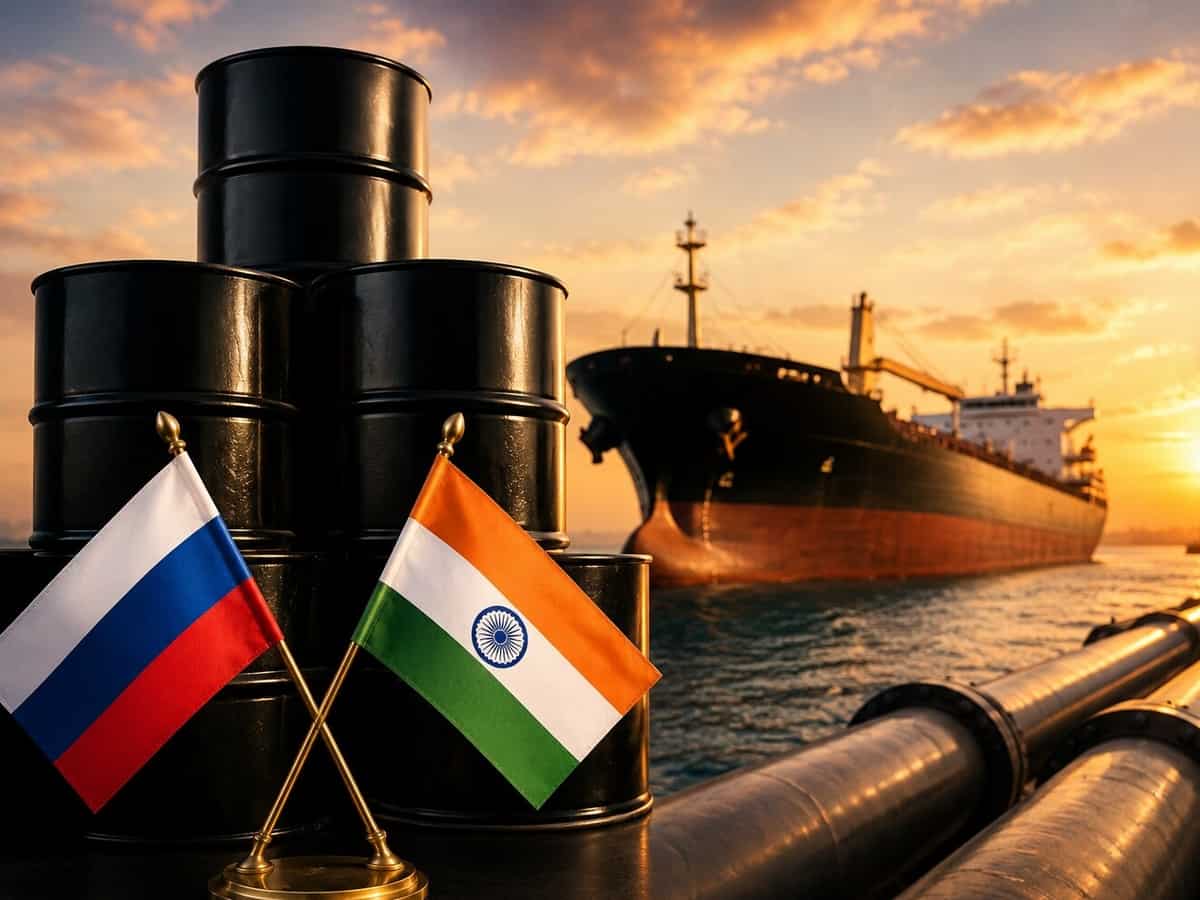
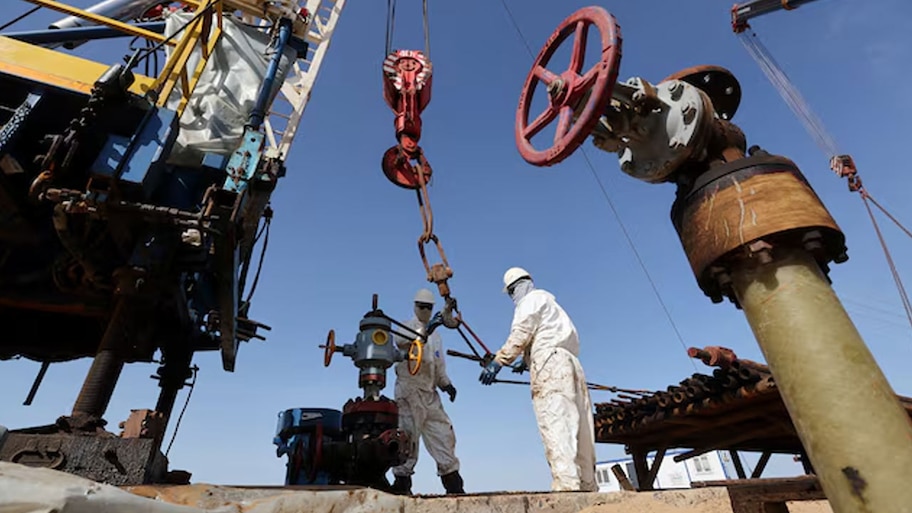
In a dramatic twist that has baffled energy markets and macroeconomic analysts alike, international crude oil prices have registered a sharp downward trend despite a high-stakes missile attack targeting vital oil infrastructure in Saudi Arabia. Typically, any military escalation or security threat in the Middle East—especially involving the world's leading crude exporter—triggers immediate supply panic and soaring prices. However, a complex web of slowing global demand, strategic reserve releases, and shifting geopolitical calculations has caused oil markets to shrug off the attack, raising hopeful speculation among consumers about potential relief at fuel pumps.
Understanding the Market Defiance Amid Middle Eastern Escalation
When news broke of the missile strike hitting strategic Saudi petroleum installations, traders initially braced for a massive supply squeeze. Yet, the anticipated price spike failed to materialize. Energy experts point out that current global supply buffers, robust production quotas maintained by non-OPEC nations, and cooling industrial demand in major economies like China and the United States have created a robust shock absorber. Consequently, markets evaluated the strike as a localized incident rather than an immediate systemic threat to global petroleum flows, preventing panic buying and keeping futures contracts stable.
Will Petrol and Diesel Prices Get Cheaper for Common Consumers?
For everyday motorists and businesses burdened by high transportation and fuel costs, the plunge in global crude benchmarks brings much-anticipated optimism. While retail petrol and diesel prices in India and other South Asian nations are heavily regulated by state-owned oil marketing companies through pricing formulas that often lag behind daily spot market movements, sustained weakness in crude oil could pave the way for domestic price cuts. Economists suggest that if international Brent and WTI crude prices continue to remain soft, central governments and fuel retailers may pass on the cost benefits to consumers, providing a welcome cushion against broader inflationary pressures.