







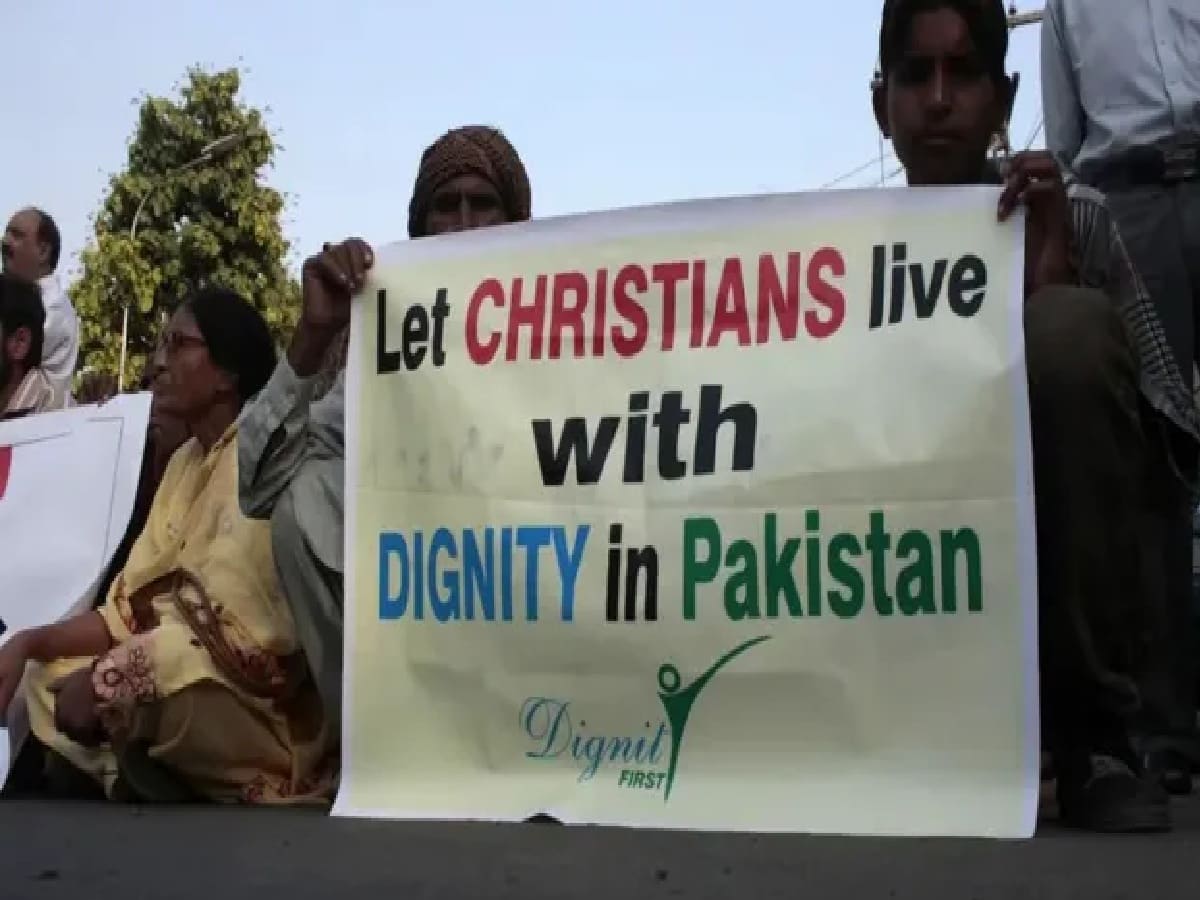
12-Year-Old Christian Girl Abducted, Forcibly Converted in Pakistan
The plight of 12-year-old Pakistani Christian girl Zarvia Pervaiz (also spelled Jarvia Parvez) from Pakistan's Punjab province has returned to sharp international focus following a renewed investigative report examining how minor girls from religious minorities remain trapped in forced marriages even after courts dismiss their families' rescue petitions. According to reporting by Turkish-born journalist Uzay Bulut in PJ Media—and documented in the United States Commission on International Religious Freedom (USCIRF) Freedom of Religion or Belief Victims Database—Zarvia was abducted in April 2022 by a 40-year-old man named Imran and his wife in Rawalpindi, forcibly converted from Christianity to Islam, and coerced into an underage marriage. Despite documentary evidence of her age and a recorded phone call in which the terrified child pleaded with her brother while facing threats of violence against her family, a bench of the Lahore High Court in Rawalpindi dismissed her family's custody plea within minutes in August 2022, ruling that she had married out of her own free will and returning her to the custody of her alleged abductors. Writing in PJ Media, Bulut noted that Pakistan has become a perilous environment for children from non-Muslim communities, warning that minority girls are systematically taken from their families, pressured to renounce their faith, and subjected to child marriage in full view of law enforcement and the courts. Independent assessments compiled by the Human Rights Commission of Pakistan (HRCP), the United Nations, and the Movement for Solidarity and Peace estimate that approximately 1,000 girls from minority communities—disproportionately young adolescents from impoverished Hindu and Christian households—are abducted, forcibly converted, and married every year across Pakistan. While local authorities and court rulings in Pakistan frequently characterize such cases as voluntary conversions and lawful marriages under personal law interpretations, domestic and international human rights advocates stress that minors under statutory child marriage restraint laws lack the legal capacity to consent under intimidation. For human rights observers, legal scholars, and readers across New Delhi, Lucknow, Amritsar, Chandigarh, Mumbai, Bengaluru, Islamabad, Lahore, London, and Washington, Zarvia Pervaiz's unresolved captivity illustrates an ongoing crisis of child protection and minority rights in South Asia.
How Zarvia Pervaiz Was Abducted and Why the Court Dismissed Her Case
Case records documented by USCIRF and human rights monitors detail how Zarvia Pervaiz was taken on April 30, 2022, after the wife of her 40-year-old neighbor—whom Zarvia's mother, Yasmeen, had previously asked to vacate their rented home due to domestic abuse—lured the 12-year-old away under the pretext of visiting a nearby grocery store. Shortly afterward, Zarvia's family received a voice message informing them she would never return, accompanied by threats of violence against her relatives if they pursued legal action.
| Key Aspect of Case & Broader Crisis | Verified Facts & Human Rights Findings |
| Victim & Location | Zarvia Pervaiz (Jarvia Parvez), a 12-year-old Christian girl from Rawalpindi, Punjab province, Pakistan |
| Abduction & Coercion | Abducted on April 30, 2022, by a 40-year-old man and his wife; forcibly converted and married off under threats to her family |
| Judicial Outcome | Lahore High Court (Rawalpindi Bench) dismissed the family's custody petition in August 2022, citing "free will" and ignoring recorded phone evidence of coercion |
| Annual Scale of Abductions | HRCP, United Nations, and Movement for Solidarity and Peace estimate ~1,000 minority girls (mostly poor Hindu and Christian minors) are abducted and forcibly converted annually |
| Recent Parallel Cases (Nov 2026) | Balochistan Assembly members Ashok Kumar and Sanjay Kumar protested on Nov 15 over unrescued Hindu girl Bindiya Kumari; Voice of Pakistan Minority flagged USCIRF records on minors Maria Shahbaz, Neha Faqir, and Sonia Tariq on Nov 6 |
Police Delays, Fraudulent Age Papers, and Systemic Barriers to Justice
According to Uzay Bulut's report and findings from minority advocacy groups, grieving families attempting to rescue abducted daughters face entrenched institutional obstacles at every stage. Local police stations routinely delay registering First Information Reports (FIRs), dismissing abduction complaints as voluntary elopements or family disputes. Those critical initial delays allow perpetrators to relocate minor victims, coach them under intimidation, and obtain forged birth certificates or marriage documents claiming the child has reached adulthood. When cases eventually reach local courts, judges frequently frame the dispute strictly around religious conversion rather than statutory child abduction and underage marriage—returning vulnerable minors directly to their captors.
Fresh Outcry Over Hindu and Christian Minors Across Pakistan
The renewed spotlight on Zarvia Pervaiz coincides with fresh protests across Pakistan over unaddressed abductions of minority girls. On November 15, 2026, Balochistan Provincial Assembly lawmakers Ashok Kumar and Sanjay Kumar staged a protest condemning authorities for failing to rescue Hindu girl Bindiya Kumari from forced conversion and marriage. Earlier, on November 6, the Voice of Pakistan Minority highlighted USCIRF accounts documenting the abduction and forced marriage of three other minors—Maria Shahbaz, Neha Faqir, and Sonia Tariq. International rights bodies continue to urge Pakistani authorities to enforce child marriage prohibitions strictly, verify authentic school and birth records, and record minor victims' testimonies in safe, intimidation-free environments.




