







Yogi Govt’s Big Biotech Move: How Microbes Will Reshape UP
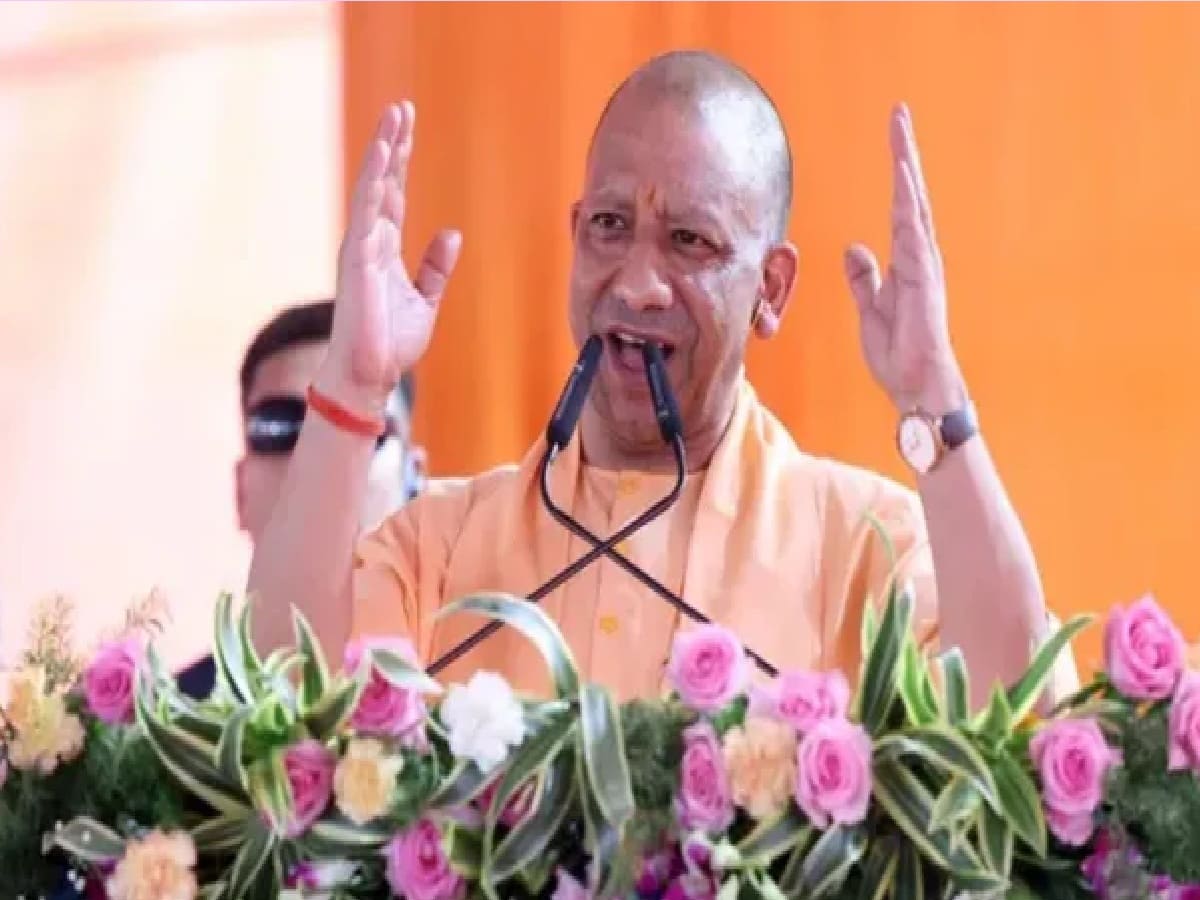
In a landmark strategic move to integrate biotechnology into state governance, the Yogi Adityanath administration has formulated a comprehensive policy draft titled "Uttar Pradesh State Specific Note on Microbiome Technologies" aimed at transforming public healthcare, environmental remediation, and agrarian productivity. Designed to deploy the power of microscopic biological communities—encompassing beneficial bacteria, fungi, and associated microbial ecosystems—the policy framework establishes actionable interventions for tracking hospital-acquired infections, countering lethal antimicrobial resistance (AMR), cleaning major river corridors, modernizing municipal solid waste processing, and fortifying crop resilience. Beginning as a targeted pilot initiative across premier research and healthcare institutions in Uttar Pradesh, the program represents one of India’s most ambitious state-level adoptions of microbiome science to address systemic public health and environmental challenges.
Institutional Framework and Phased 24-Month Roadmap: Biotech Park and UPPPC Lead the Charge
Providing insights into the execution plan, Kritika Sharma, Chief Executive Officer of the Uttar Pradesh Promoted Pharma Council (UPPPC), revealed that the blueprint has been structured directly under Chief Minister Yogi Adityanath’s directive to position scientific innovation at the core of governance. The comprehensive draft will soon be presented to the Chief Minister for final cabinet clearance, followed by cross-departmental execution spearheaded by the Department of Science and Technology in coordination with the health, agriculture, horticulture, urban development, pollution control, and water supply ministries. Central operational oversight will be anchored by the Lucknow-based Biotechnology Park alongside the UPPPC. The strategic rollout spans a structured 24-month implementation cycle: the initial three months are dedicated to evaluating laboratory infrastructure across the state, conducting inter-departmental alignments, and locking in pilot sites; months four through twelve will oversee operational pilots in hospital infection surveillance, wastewater bio-treatment, and crop trials; and months thirteen to twenty-four will scale successful outcomes across diverse seasonal patterns and agrarian crop cycles.
Tackling Superbugs, River Rejuvenation, and Agrarian Resilience: Dr. G.N. Singh’s Vision
According to technical recommendations formulated by renowned pharmaceutical and healthcare expert Dr. G.N. Singh, the healthcare vertical will establish an integrated clinical surveillance network across select government and private hospitals to monitor pathogen transmission and drug resistance mechanisms. By merging conventional microbiological screening with advanced targeted genetic testing and next-generation DNA sequencing, clinicians will be equipped to identify virulent hospital-acquired bugs and pinpoint drug-resistant microbial mutations with pinpoint precision. On the ecological front, priority bio-treatment pilots will be deployed across the river basins of the Ganga, Yamuna, and Gomti. The project focuses on assessing and enhancing indigenous bacterial colonies within existing sewage treatment plants (STPs), optimizing biological digestion by fine-tuning aeration protocols, nutrient balancing, and toxin filtration to dramatically reduce ecological toxicity in major water bodies. Concurrently, agricultural trials will introduce beneficial soil and plant microbiomes to shield standing crops from pathogens and weather stress, enhancing natural soil fertility and food security without excessive chemical dependence as Uttar Pradesh sets a national benchmark for multi-sector biotechnology governance.




