







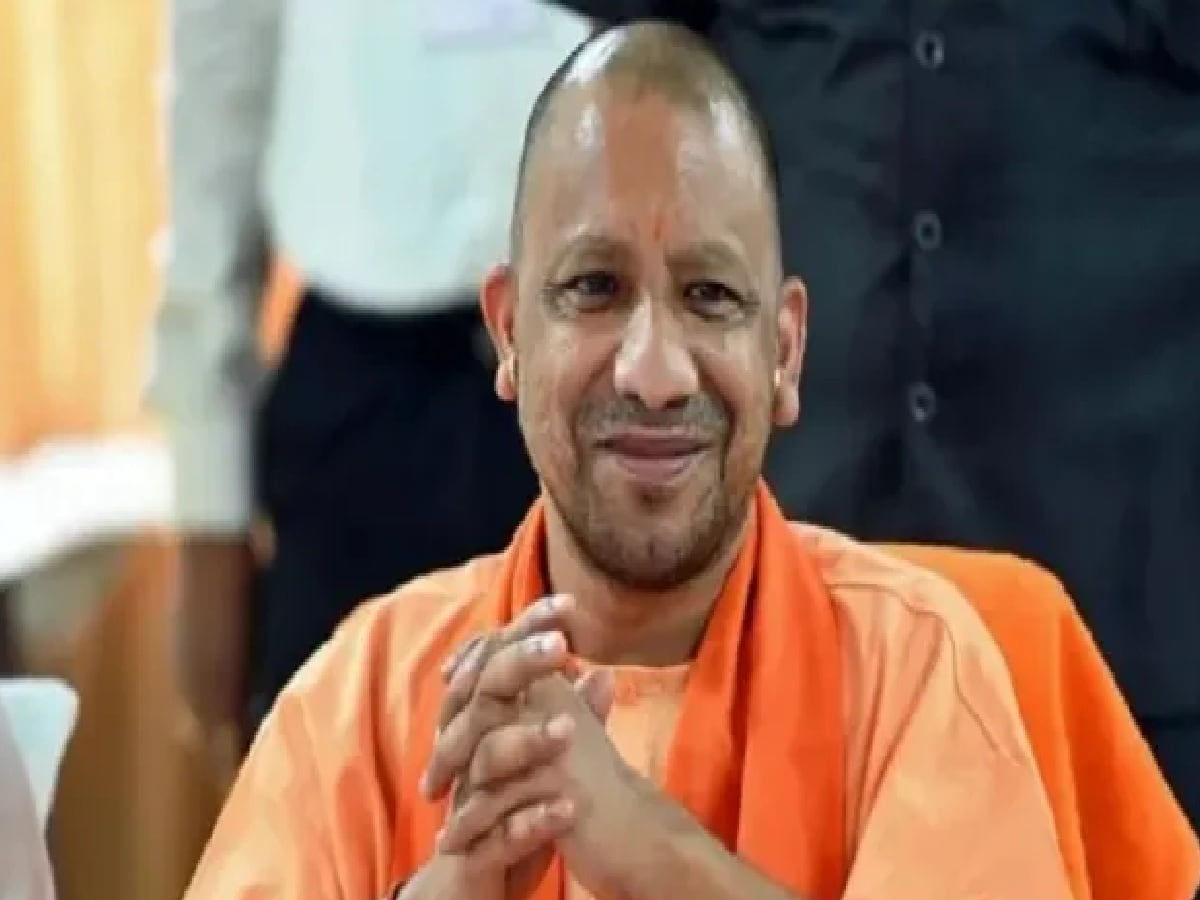
Yogi Govt Plans Impenetrable Cyber Shield for UP Against AI & Quantum Risks
As rapid advances in Artificial Intelligence (AI), quantum computing, and cloud-connected citizen services reshape digital governance, the Uttar Pradesh government has stepped up efforts to fortify the state's digital backbone with a proactive, future-ready cybersecurity shield. Highlighted across governance and technology desks on Wednesday, November 25, 2026, a special high-level workshop convened in alignment with Chief Minister Yogi Adityanath's vision brought senior bureaucrats, police officials, forensic scientists, academic researchers, and global industry leaders together inside the Pragya Conference Hall at the UP-112 headquarters in Gomti Nagar Extension, Lucknow. Spearheaded on the initiative of Dr. GK Goswami, Founding Director of the Uttar Pradesh State Institute of Forensic Science (UPSIFS), and organized in partnership with the Department of Information Technology and Electronics, the Data Security Council of India (DSCI), and Cisco, the conclave focused on auditing departmental cyber readiness, safeguarding sensitive citizen databases, countering AI-driven threats, and preparing institutional defenses for the coming quantum computing era. From Advisor to the Chief Minister Avnish Awasthi's call for technical proposals under the ₹2,000 crore UP AI Mission and indigenous quantum computing partnerships with IIT Kanpur and UPSIFS, to critical warnings from Additional Chief Secretary Leena Johri, Principal Secretary Kamini Chauhan Ratan, UP ATS DIG Abhishek Yadav, and Cisco India & South Asia CTO Security Sandeep Aggarwal, the workshop laid out a comprehensive blueprint for digital resilience across Lucknow, Noida, Kanpur, Prayagraj, Varanasi, Gorakhpur, and Agra.
UP Cybersecurity & Quantum-AI Roadmap: Key Takeaways From Lucknow Conclave
To bring together the institutional partners and core objectives of the UP-112 Gomti Nagar Extension cybersecurity workshop, the strategic announcements made by CM Advisor Avnish Awasthi and senior UP IAS/IPS officers, and the technical defense frameworks recommended by Cisco, DSCI, and military-grade audit experts, the tables below organize all verified details:
Workshop Architecture, Core Objectives & Partner Institutions (Nov 25, 2026)
| Dimension | Verified Details | Governance & Security Impact |
| Venue & Convenor | Held at Pragya Conference Hall, UP-112 Headquarters, Gomti Nagar Extension, Lucknow; organized on the initiative of Dr. GK Goswami (Director, UPSIFS). | Created a unified operational platform bridging forensic science, policing, civil administration, and private-sector cyber defense. |
| Partner Organizations | UP Department of Information Technology and Electronics, Data Security Council of India (DSCI), and Cisco. | Combined state policy leadership with national data-protection standards and global enterprise security engineering. |
| Primary Mandate | Assess cyber preparedness of government departments and critical digital infrastructure, strengthen cyber governance, counter AI-enabled attacks, prepare for quantum-era encryption risks, and enforce digital platform accountability. | Shifts Uttar Pradesh from reactive incident handling toward proactive, pre-emptive cyber resilience. |
Key Policy, Bureaucratic & Technical Contributions at the Workshop
| Speaker & Designation | Core Message & Strategic Takeaways | Practical Implementation Focus |
| Avnish Awasthi (Advisor to UP Government) | Highlighted the ₹2,000 crore UP AI Mission (inviting technical proposals for public-interest applications such as child nutrition monitoring and youth skilling); detailed quantum computing collaboration with IIT Kanpur alongside UPSIFS's indigenous quantum initiatives; cited distribution of 2.5 million tablets to rural youth, data center expansion, and private skill centers under the Sardar Vallabhbhai Patel Employment and Training Scheme. | Links next-generation AI and quantum infrastructure directly with grassroots empowerment and secure compute capacity in Uttar Pradesh. |
| Leena Johri (Additional Chief Secretary, Women & Child Development) | Emphasized that technology succeeds only when it makes citizens' lives safer and easier; warned that a single inaccurate record can deny a child vital nutrition and any data leak involving a woman reporting harassment endangers her safety—making data accuracy, privacy, dignity, and sensitivity non-negotiable alongside speed. | Establishes strict citizen-centric privacy guardrails for welfare and women-safety databases. |
| Kamini Chauhan Ratan (Principal Secretary, State Tax Department) | Stressed that technology must work hand-in-hand with human understanding and field experience, citing outreach initiatives like "Department at Your Door" to improve taxpayer communication, compliance, and transparent governance. | Balances automated tax analytics with empathetic citizen engagement. |
| Dr. Hira Lal (Panel Moderator) | Underscored balancing trust, security, and accountability; referenced cyberattacks on US airlines and banks to show even advanced economies face risks, while cautioning that fear of cyber threats must never slow digital development. | Frames cybersecurity as an enabler of rapid, confident digital governance rather than a barrier. |
| Abhishek Yadav (DIG, UP ATS) | Called on agencies to adopt modern tools against fake digital identities and social media manipulation; noted AI can process millions of data points for investigations and real-time traffic management, provided final operational decisions always remain with a human officer. | Preserves human accountability and legal oversight in AI-assisted policing. |
| Colonel Shikha Mehrotra | Advocated regular military-style cybersecurity drills, stress tests, and audits across government hospitals, banks, and public offices so preparedness precedes any real attack. | Institutionalizes routine cyber readiness checks across essential public utilities. |
| Sandeep Aggarwal (CTO Security & Director, Cisco India & South Asia) | Described AI as a force multiplier for cyber defenders when anchored on three core pillars: Identity and Access Management (IAM), network segmentation, and end-to-end visibility. | Provides technical teams with an actionable Zero-Trust architecture blueprint. |
Eminent Institutional & Security Voices Who Joined the Deliberations
The special panel also drew participation and insights from senior administrators, enforcement heads, and academic specialists across Uttar Pradesh—including Dr. Ashish Kumar Goyal (Additional Chief Secretary, Labour and Employment Department), Pranjal Yadav (Secretary, MSME Department), Akanksha Rana (Managing Director, UP Development Systems Corporation Limited / UPDESCO), Dr. Sujoy Banerjee (Additional Managing Director, UP Forest Corporation), Dr. Neel Jain (Income Tax Commissioner – Appeals, Lucknow), Dr. Vidyut Vikas (ADG, DRI Lucknow Zone), Amit Kumar (Commandant, 35th Battalion PAC, Lucknow), Colonel (Dr.) Praveen Kumar Singh (Director, UIDAI Regional Office, Lucknow), Atul Kumar of DSCI, and Prof. Brijendra Singh of IIIT Allahabad.
Why Uttar Pradesh's Cyber-Quantum Strategy Matters Across Cities
As Lucknow, Noida, Greater Noida, Kanpur, Prayagraj, and Varanasi emerge as major hubs for hyperscale data centers, digital welfare delivery, and deep-tech research, safeguarding citizen records against automated AI attacks and future quantum decryption threats has become an urgent governance priority. Following the deliberations at UP-112 headquarters, state departments, forensic researchers at UPSIFS, and technical partners are expected to translate these recommendations into standardized departmental cyber audits, secure data-handling protocols, and collaborative AI-quantum research proposals across Uttar Pradesh




