







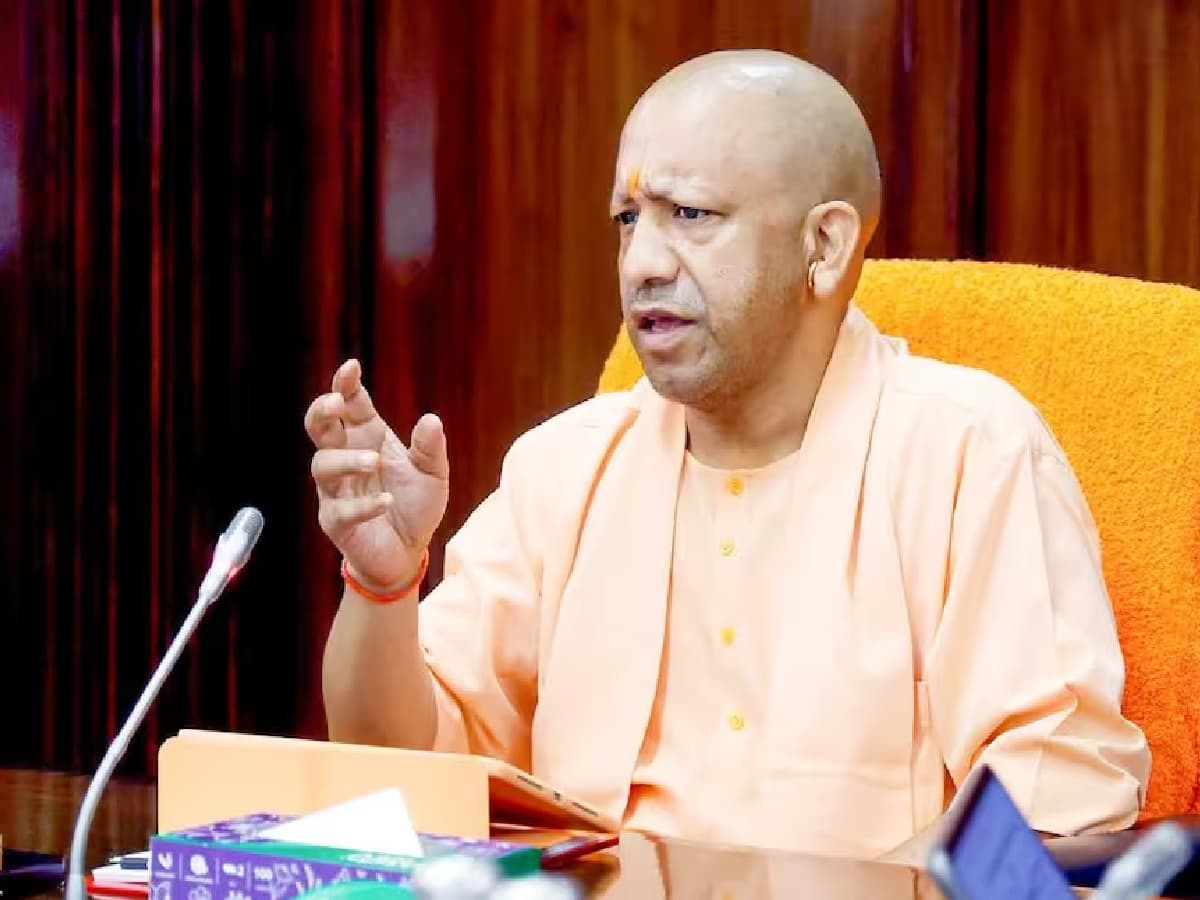
Yogi Cabinet Clears 22 Landmark Projects in Uttar Pradesh
Paving the way for massive statewide connectivity upgrades, industrial expansion, and social security enhancements, the Uttar Pradesh Cabinet chaired by Chief Minister Yogi Adityanath on Tuesday, October 27, 2026, unanimously approved 22 transformative administrative proposals. Convened in Lucknow, the high-level cabinet session sanctioned major initiatives spanning expressway corridors, high-tech manufacturing, defense education, civil infrastructure, and public health. Announcing the comprehensive slate of approvals, state authorities emphasized that the decisions balance aggressive capital infrastructure spending with grassroots welfare. Among the standout resolutions are the developer selection greenlight for four strategic link freeways, the formal establishment of a specialized Cyber Security Operations Centre, and vital welfare measures benefiting non-teaching academic staff and rural infrastructure.
Unlocking High-Speed Transit: Developer Selection Cleared for 4 Link Expressways
Highlighting the state's ambitious expressway grid expansion, the cabinet officially greenlit the developer selection process for four major link expressway projects designed to bridge regional gaps and optimize commercial transit. The approved projects include the Farrukhabad Link Expressway, a high-speed arterial link expressway seamlessly joining the Purvanchal Expressway with the Agra-Lucknow Expressway, the Jhansi Link Expressway opening new transport avenues in Bundelkhand, and the Jewar Link Expressway establishing direct road connectivity to the Noida International Airport. Alongside transport corridors, regional development received a major push through the free allotment of government land for state-of-the-art storage warehouses in Jhansi and Lalitpur. Furthermore, judicial and civic infrastructure in Prayagraj secured significant backing, with the cabinet granting administrative and financial approval for 845 residential quarters for High Court staff, alongside the construction of a modern municipal auditorium and a dedicated working women's hostel.
Deep-Tech, IIT Kanpur Cybersecurity Hub, and PM Mitra Textile Mega Park
Propelling Uttar Pradesh's industrial transition toward modern manufacturing and secure digital governance, the cabinet ratified key resolutions recommended by the Empowered Committee on Foreign Direct Investment (FDI) and capital commitments from multinational corporations, alongside approvals under the state's Global Capability Centres (GCC) Policy 2024. In the commercial textile sphere, the cabinet finalized the master developer selection framework for the PM Mega Integrated Textile Region and Apparel (PM MITRA) Park, spanning 1,000 acres across the Lucknow-Hardoi boundary. The cabinet also approved the establishment of the state-of-the-art PRAGATI Robotics and AI Park in Greater Noida and endorsed provisions under the State Livestock Mission. Bolstering state cyber defense against emerging digital threats, approval was granted to set up a dedicated Cyber Security Operations Centre in Uttar Pradesh in technical collaboration with IIT Kanpur’s specialized cybersecurity innovation arm, C3iHub. Complementing these industrial steps, the cabinet enacted the Uttar Pradesh Inland Vessels Rules-2026 to govern commercial waterway transport and sanctioned comprehensive expenditure outlays for seven crucial drinking water and sewerage modernization schemes across Lucknow and Varanasi.
Cashless Healthcare for Education Staff and Free Land for Mainpuri Sainik School
Demonstrating a strong commitment to public education and institutional employee welfare, the cabinet passed key resolutions safeguarding school staff and cadet academies. The state sanctioned the unconditional, free transfer of 9.524 hectares of prime land in Nauner village council to the Sainik School Society under the Ministry of Defence, resolving space bottlenecks caused by high-tension power lines on the current campus and enabling rapid expansion of training facilities at Sainik School Mainpuri. Simultaneously, thousands of non-teaching personnel serving in basic education, recognized secondary schools, and traditional Sanskrit colleges received a major pre-festive benefit as the cabinet cleared a cashless medical treatment framework for them and their dependent family members, providing vital financial immunity against heavy hospitalization costs across government and empaneled private medical facilities.




