







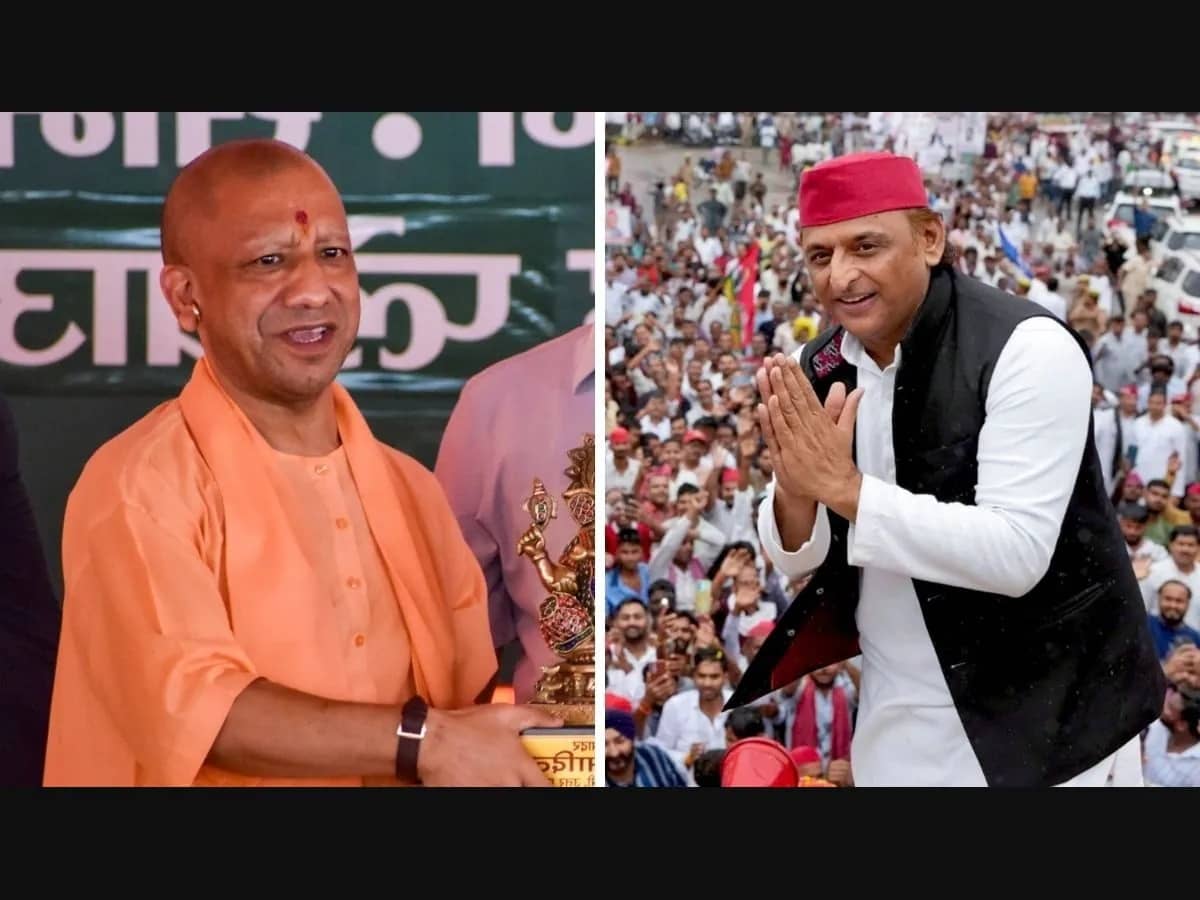
UP Election Poll: BJP Ahead, Akhilesh Has Shot With Congress
Political momentum ahead of the 2027 Uttar Pradesh Assembly elections is intensifying as parties prepare for a high-stakes contest across the state's 403 constituencies, where 202 seats are needed for a simple majority. Highlighted across political, election, and state desks on Thursday, November 26, 2026, a survey by SCORE Intelligence—covering 91,429 voters between October 15 and November 23, 2026—indicates that Chief Minister Yogi Adityanath's Bharatiya Janata Party (BJP) and the National Democratic Alliance (NDA) hold the edge to form the government for a third straight term if opposition forces remain divided. At the same time, the poll suggests that if the Samajwadi Party (SP) and Congress overcome seat-sharing friction and fight together as an alliance, Akhilesh Yadav could also challenge for the 202-seat majority mark. The findings arrive amid visible strain over seat negotiations—including public pushback from Congress leaders after the SP announced an initial batch of candidates—while overall vote shares between the SP (36.98%) and BJP (36.69%) sit within 0.29 percentage points of each other, with roughly 42 close constituencies poised to swing the outcome across Lucknow, Ayodhya, Varanasi, Prayagraj, Gorakhpur, New Delhi, and Noida.
UP Election Survey Breakdown: Seat Math, Vote Share & CM Choice
To bring together the standalone and alliance seat projections across the 403-member Uttar Pradesh Assembly, how vote share, key allies, and roughly 42 razor-thin seats shape the contest, and voter preferences for the next Chief Minister, the tables below organize the survey figures:
Seat & Vote-Share Projections (SCORE Intelligence Survey, Oct 15 – Nov 23, 2026)
| Party / Alliance | Projected Seats (Standalone / Baseline) | Projected Vote Share | Electoral & Coalition Context |
| Bharatiya Janata Party (BJP) | 177 – 215 seats | 36.69% | Projected to lead standalone party tallies; NDA coalition range is placed at 181 – 226 seats in alliance projections. |
| Samajwadi Party (SP) | 160 – 202 seats | 36.98% | Holds a slim 0.29 percentage-point vote-share edge over BJP in headline numbers; SP–Congress alliance range is projected at 174 – 219 seats. |
| Bahujan Samaj Party (BSP) | 1 seat | 11.45% | Commanded notable vote share across pockets without converting into high seat counts in the model. |
| Indian National Congress (INC) | 2 seats (standalone) | 7.67% | Seat-sharing coordination with the SP remains a decisive factor in pooling opposition votes. |
| Rashtriya Lok Dal (RLD) | 10 seats | 1.15% | Key NDA partner with concentrated influence in western Uttar Pradesh. |
| Apna Dal (Sonelal) | 5 seats | 1.23% | Important NDA ally across eastern and Purvanchal segments. |
| SBSP (Suheldev Bharatiya Samaj Party) | 3 – 5 seats | 0.80% | Contributes regional support within the NDA fold. |
| Nishad Party | 1 – 3 seats | 0.51% | Adds targeted riverine and eastern UP backing for the NDA. |
| Jansatta Dal (Loktantrik) | 2 seats | 0.12% | Localized constituency presence in parts of central/eastern UP. |
Chief Minister Preference & Swing Factors Highlighted in the Poll
| Survey Indicator | Reported Figures & Insights | What It Signals for 2027 |
| Top CM Choices | Yogi Adityanath: 35.29%; Akhilesh Yadav: 26.50%; Mayawati: 8.59%; smaller shares for Chandrashekhar Azad (1.90%), Priyanka Gandhi (1.25%), Rajnath Singh (1.00%), Rahul Gandhi (0.27%), and Keshav Prasad Maurya (0.14%), with 22.66% undecided. | Yogi Adityanath leads individual CM preference ahead of Akhilesh Yadav, while over a fifth of respondents remain undecided. |
| Vote Concentration vs. Margin | SP (36.98%) edges BJP (36.69%) slightly in overall vote share, while BJP benefits from geographic concentration and alliance arithmetic across regions. | Shows why overall vote share and final seat counts in first-past-the-post contests can diverge. |
| Close Contests (~42 Seats) | Survey analysis points to roughly 42 constituencies with narrow victory margins. | Local candidate selection, turnout, and alliance unity in these seats could tip the balance. |
Why SP–Congress Coordination Matters Before Candidate Lists Expand
Political observers across Lucknow, Varanasi, Prayagraj, Gorakhpur, and Ayodhya note that alliance friction often costs opposition parties crucial ground momentum if seat talks drag on publicly. When SP and Congress leaders clash over ticket announcements, vote transfer on tight seats becomes harder to consolidate—whereas smooth coordination increases the likelihood of pooling anti-incumbency or core support in closely fought segments.
What Voters and Political Watchers Should Keep in Mind
Opinion polls capture voter mood at a specific snapshot—here between October 15 and November 23, 2026—and actual election outcomes in Uttar Pradesh depend on final ticket choices, campaign issues, booth mobilization, and turnout across Lucknow, Ayodhya, Varanasi, Prayagraj, Gorakhpur, New Delhi, and Noida.




