







UP EC to Match Panchayat & Assembly Lists Over 2.38 Cr Voter Gap
A major statewide electoral verification exercise is set to begin across Uttar Pradesh next week after Chief Minister Yogi Adityanath raised pointed concerns over the sharp decline in registered Hindu voters following the Special Intensive Revision (SIR) of electoral rolls. Acting on the wide discrepancy highlighted between local body records and Vidhan Sabha rolls, election authorities have decided to systematically cross-match rural Assembly constituency voter lists with Panchayat election voter lists across the state. Speaking during an official review visit to Ghaziabad on Friday, November 13, 2026, Uttar Pradesh Chief Electoral Officer (CEO) Navdeep Rinwa confirmed that while the state’s Panchayat electoral rolls currently list 12.58 crore voters, the rural Assembly voter rolls contain only 10.20 crore voters—revealing a massive gap of 2.38 crore voters. To bridge this divide, election teams will launch an intensive door-to-door matching and enrollment campaign starting Tuesday, November 17, 2026, spanning rural and urban centers from Ghaziabad, Meerut, and Noida-NCR to Lucknow, Varanasi, Gorakhpur, Kanpur, and Prayagraj.
Why the 2.38 Crore Voter Gap Between Panchayat and Assembly Rolls Matters
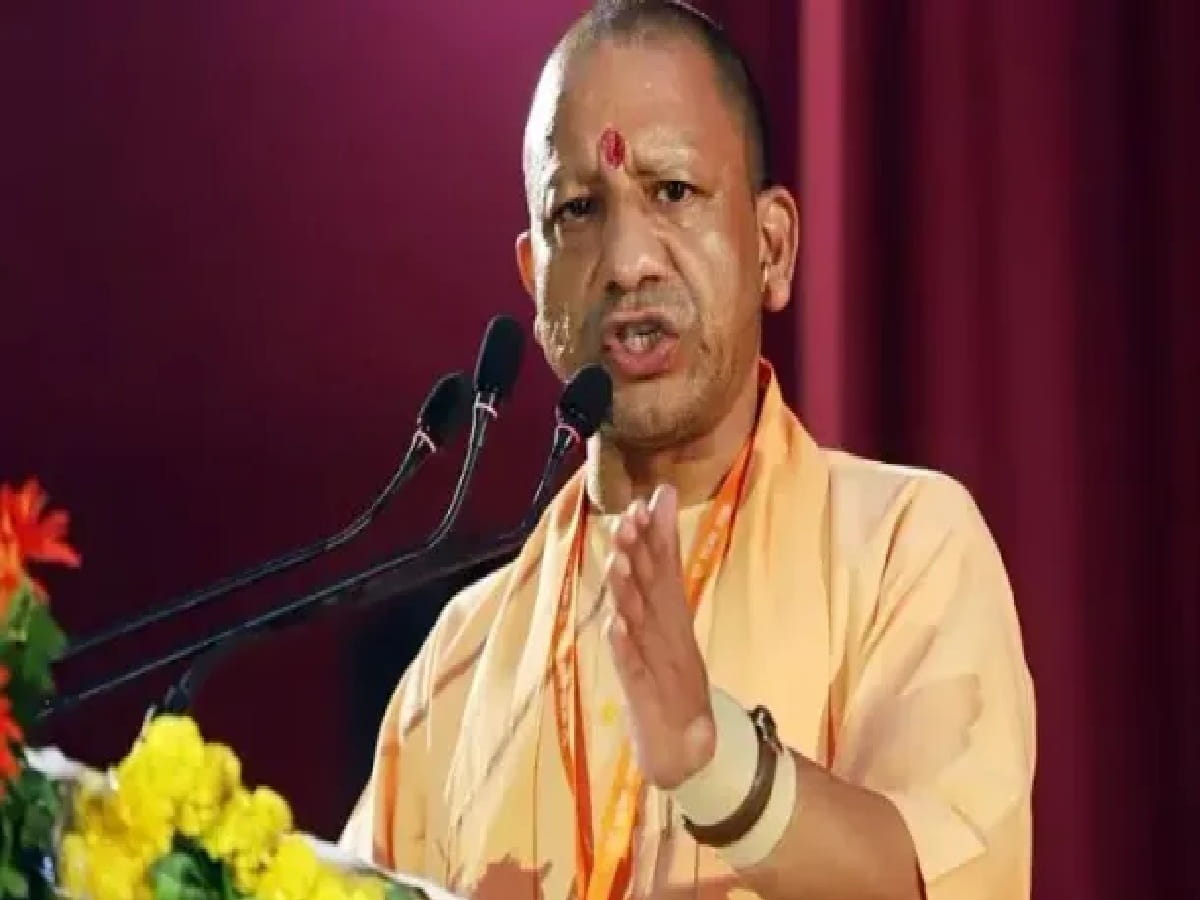
The issue moved to the center of Uttar Pradesh’s political and administrative discourse after Chief Minister Yogi Adityanath questioned irregularities in the post-SIR electoral data and accused opposition parties of selective voter mobilization. Citing comparative figures between pre- and post-SIR rolls, the Chief Minister stated that approximately 1.27 crore Hindu voters had been omitted from the updated Assembly lists, including roughly 66 lakh rural citizens whose names actively appear in State Election Commission Panchayat directories yet are missing from Assembly polling booth rolls.
During his review meeting in Ghaziabad on Friday, Chief Electoral Officer Navdeep Rinwa corroborated the scale of the numerical divergence between the two databases. He noted that the 12.58 crore registered voters on Panchayat rolls versus 10.20 crore rural voters on Assembly rolls leaves a clear difference of 2.38 crore names requiring scrutiny. Beyond rural constituencies, broader comparative data indicates that urban municipal election rolls carry 4.32 crore entries against 3.31 crore urban Assembly voters, bringing the combined local-body-to-Assembly gap across Uttar Pradesh to 3.38 crore. Election officials explained that while part of the variance stems from duplicate entries, migration, or deceased electors, a significant share represents genuinely eligible residents whose names were inadvertently dropped or never transferred to Assembly rolls.
How the November 17 Panchayat-Assembly Matching Campaign Will Work
To ensure that every eligible citizen is restored to the electoral rolls ahead of the 2027 Uttar Pradesh Assembly elections, the Election Commission is rolling out a structured statewide verification campaign beginning November 17, 2026, with the final revised voter list scheduled for publication on January 4, 2027. According to CEO Navdeep Rinwa, Booth Level Officers (BLOs) and district election teams will compare every single entry in the Panchayat electoral roll line by line against the corresponding rural Assembly voter list during this drive.
Wherever field verification confirms that a resident listed in the Panchayat roll is an eligible adult citizen residing in the constituency, officials will facilitate the immediate addition of their name to the Assembly voter list through Form 6 applications. Rather than waiting passively for villagers to visit block offices, administrative teams in Ghaziabad, western Uttar Pradesh, and Purvanchal districts are being directed to conduct proactive household checks so that missing voters are re-enrolled accurately and transparently.
Verification of Ration Card Holders and Government Scheme Beneficiaries
Alongside cross-matching Panchayat rolls, election authorities are launching a targeted audit of citizens receiving central and state government welfare benefits. Chief Minister Yogi Adityanath had specifically flagged that the names of millions of beneficiaries—estimated at nearly 55 lakh citizens availing free rations, housing, pensions, and social security schemes—were absent from the Assembly voter rolls. Addressing this concern, the election machinery will cross-verify beneficiary databases against electoral rolls across both rural villages and urban wards.
To execute this ground-level verification efficiently, district administrations will enlist the assistance of fair-price shop (ration) dealers, panchayat secretaries, and field staff from allied government departments. Ration dealers and departmental officials will help verify whether every ration card holder and welfare beneficiary aged 18 years and above possesses a valid Electors Photo Identity Card (EPIC / Voter ID) and appears on the local polling booth list. Whenever an eligible beneficiary’s name is found to have been deleted during the SIR exercise or left unrecorded, teams will collect their documentation on the spot and ensure their name is restored to the voter list.
Key Highlights: UP Panchayat vs. Assembly Voter Verification Drive
| Electoral Parameter | Official Data & Action Plan |
| Total Panchayat Voters in UP | 12.58 Crore |
| Rural Assembly Voters in UP | 10.20 Crore |
| Rural Voter List Discrepancy | 2.38 Crore voters |
| Combined Local Body vs. Assembly Gap | 3.38 Crore (16.90 Cr local body vs. 13.52 Cr Assembly rolls) |
| Statewide Verification Launch Date | Tuesday, November 17, 2026 (Final list on January 4, 2027) |
| Key Agencies Involved | CEO Uttar Pradesh Navdeep Rinwa, District Election Officers, BLOs, Ration Dealers |
| Primary Verification Focus | Matching Panchayat rolls, verifying ration card & welfare beneficiaries aged 18+ |
Political Significance Across Ghaziabad and Uttar Pradesh Ahead of 2027
The launch of the November 17 matching drive marks a decisive turning point in Uttar Pradesh’s pre-election landscape. While ruling party leaders have mobilized booth cadres across districts to assist left-out citizens with enrollment paperwork, opposition parties have simultaneously demanded full transparency and public access to deletion records. By institutionalizing a cross-database audit linking Panchayat rolls, ration card registries, and Assembly polling booths, election authorities aim to eliminate clerical omissions, restore public confidence in the electoral rolls, and ensure that every eligible voter across Uttar Pradesh can exercise their democratic franchise without hindrance.




